

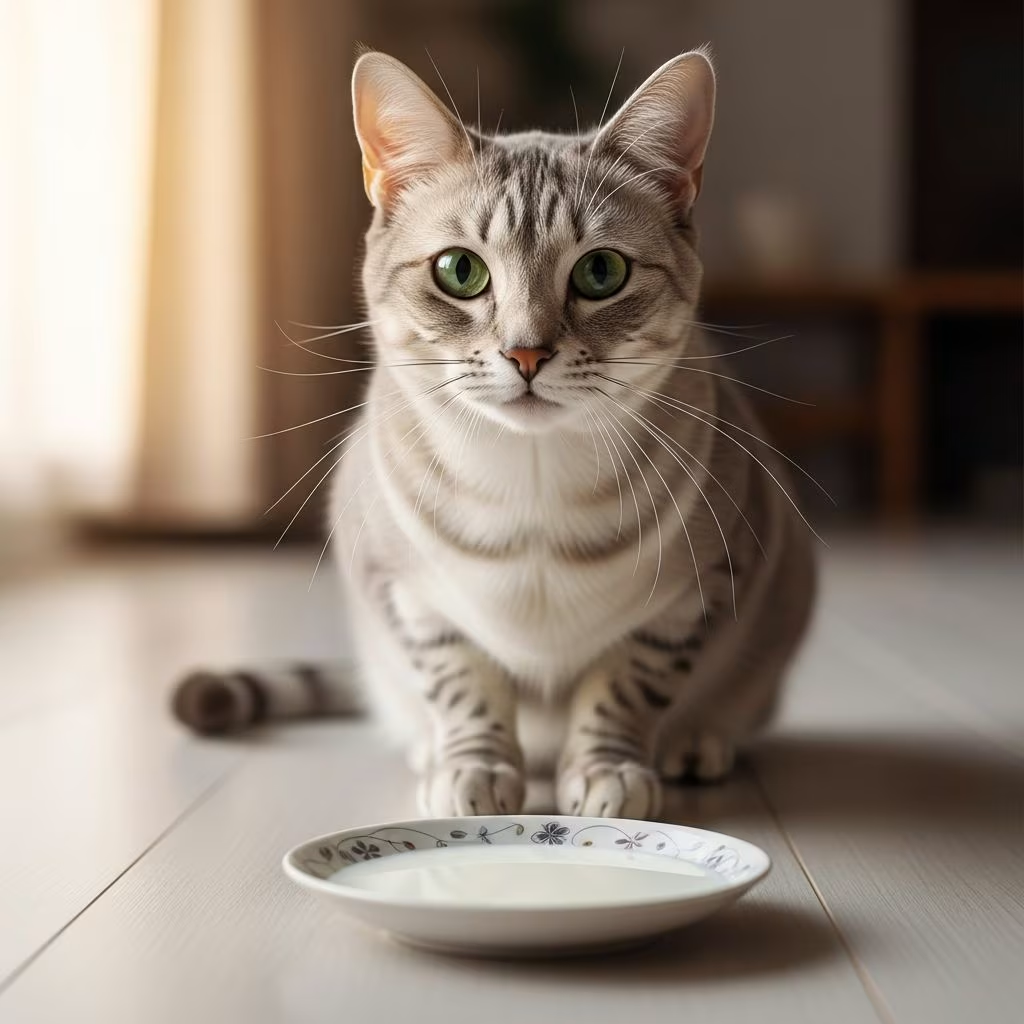
The classic image of a cat lapping up a saucer of milk is endearing, but is it safe or healthy? Most adult cats cannot drink milk due to lactose intolerance, which develops after weaning from their mother’s milk. Kittens rely on mother’s milk initially, but cow’s milk and other dairy products pose risks for digestion and nutrition in felines of all ages.
Why Are Cats Lactose Intolerant?
Cats are obligate carnivores with unique digestive systems. Kittens produce the enzyme lactase to digest lactose, the sugar in their mother’s milk. After weaning around 4-8 weeks, lactase production decreases dramatically, leaving most adult cats unable to break down lactose.
This natural adaptation signals the shift to solid, meat-based foods. Without sufficient lactase, undigested lactose ferments in the gut, causing discomfort. Studies and veterinary consensus confirm 70-90% of adult cats are lactose intolerant, similar to many humans.
- Lactase enzyme decline: Post-weaning, production halts as cats no longer need it.
- Obligate carnivore diet: Cats thrive on high-protein, low-carb foods; milk’s carbs are mismatched.
- Individual variation: Rare cats retain some tolerance, but testing is advised via vet observation.
What Happens If Cats Drink Milk?
Feeding milk to lactose-intolerant cats leads to gastrointestinal distress within hours. Symptoms mimic human lactose intolerance but can be more severe in cats due to smaller body size.
| Symptom | Description | Severity |
|---|---|---|
| Diarrhea | Loose, watery stools from bacterial fermentation of lactose. | High – dehydration risk. |
| Vomiting | Stomach upset expels undigested milk. | Moderate. |
| Gas/Bloating | Abdominal distension and flatulence. | Moderate – painful. |
| Lethargy | Discomfort reduces activity. | Low to moderate. |
Beyond acute issues, repeated exposure promotes obesity from milk’s high fat/calories and displaces balanced cat food, risking malnutrition. In severe cases, dehydration from diarrhea requires veterinary intervention.
Can Kittens Drink Milk?
Newborn kittens depend on mother’s milk for nutrition, antibodies, and growth until weaning at 4-8 weeks. It provides perfect protein-fat ratios and colostrum for immunity.
Cow’s milk is unsuitable even for kittens: higher lactose load overwhelms their lactase, wrong casein-whey balance causes allergies/diarrhea, and it lacks feline-specific nutrients. Orphaned kittens need kitten milk replacer (KMR), formulated by vets with AAFCO standards.
- Ideal: Mother’s milk – Matches species needs perfectly.
- Avoid cow’s/goat’s milk – Imbalanced nutrition leads to malnutrition.
- Use KMR – Lactose-reduced, vet-approved for hydration/nutrition.
By 8-10 weeks, transition to wet/dry kitten food meeting AAFCO standards (min 30% protein, 9% fat).
Are There Safe Milk Alternatives for Cats?
No dairy or plant-based milk is recommended as routine treats. Vets advise against them due to nutritional mismatches and health risks. Treats should be <10% daily calories from cat-specific products.
Can Cats Have Almond Milk?
Almond milk is lactose-free but carb-heavy (up to 15g/cup), unsuitable for obligate carnivores. No protein benefits; added sugars/xanthan gum irritate guts.
Can Cats Have Goat Milk?
Slightly lower lactose than cow’s but still causes upset in most cats. High fat/calories (120kcal/cup) promote weight gain; not nutritionally complete.
Can Cats Have Coconut Milk?
Extremely high fat (50g/cup) leads to pancreatitis risk, diarrhea. No feline benefits; plant oils disrupt digestion.
Can Cats Have Lactose-Free Milk?
Bypasses lactose but retains high calories/fat. Lacks taurine/arginine essential for cats; better as occasional tiny treat, vet-approved. Special ‘cat milk’ products exist but aren’t necessary.
Other No-Gos: Soy, Oat, Chocolate Milk
Soy: Phytoestrogens disrupt hormones. Oat: Excessive carbs. Chocolate: Toxic theobromine/caffeine causes seizures.
Better alternatives: Water fountains for hydration, low-cal wet food toppers, commercial cat treats.
Best Hydration Options for Cats
Cats’ wild ancestors got moisture from prey; domestic cats often under-drink, risking urinary issues. Aim for 3-4oz water/lb body weight daily.
- Running water: Fountains mimic streams, increase intake 20-50%.
- Wet food: 70-80% moisture; boosts hydration effortlessly.
- Flavor boosters: Tuna water (no salt), chicken broth (low-sodium).
- Multiple bowls: Fresh, filtered water in quiet spots.
Monitor urine output/color; crystals/stones signal dehydration. Obese/senior cats need extra encouragement.
Cat Nutrition Essentials Beyond Milk
Balanced diet prevents deficiencies. Choose AAFCO-labeled foods:
| Nutrient | Adult Min % | Kitten Min % | Role |
|---|---|---|---|
| Protein | 26% | 30% | Muscle, energy, taurine for heart/eyes. |
| Fat | 9% | 9% | Energy, skin/coat health. |
| Taurine | 0.1% | 0.2% | Essential amino acid; deficiency causes blindness. |
| Moisture (wet food) | 75% | 75% | Hydration, kidney health. |
Protein minimums ensure obligate carnivore needs; avoid carb-heavy fillers. Consult vets for life-stage/condition-specific diets.
Frequently Asked Questions (FAQs)
Can all cats drink milk?
No, most adults can’t due to lactose intolerance; rare exceptions tolerate small amounts.
Is yogurt or cheese okay for cats?
Low-lactose options like plain yogurt in tiny amounts might be tolerated, but high fat/calories make them poor choices. Limit to <10% calories.
What if my cat loves milk and shows no symptoms?
Monitor closely; delayed issues like obesity arise. Switch to cat-safe treats.
How do I hydrate a picky cat?
Use fountains, wet food, broths. Rule out medical issues with vet.
Is ‘cat milk’ from stores safe?
Some lactose-reduced formulas are okay occasionally, but water/wet food is best.
References
- Can Cats Drink Milk? — Hill’s Pet US. 2023-05-15. https://www.hillspet.com/cat-care/nutrition-feeding/can-cats-drink-milk
- Can Cats Have Milk? — Park Veterinary Hospital. 2024-02-10. https://parkvet.net/blog/can-cats-have-milk/
- Can Kittens & Cats Drink Milk? — Purina. 2023-11-20. https://www.purina.com/articles/cat/feeding/can-cats-eat/can-cats-drink-milk
- Is Milk Bad for Cats? — Whisker (Litter-Robot). 2024-01-05. https://www.whisker.com/blog/is-milk-bad-for-cats
- Is It Safe to Feed Milk to Cats? — Orange County Emergency Vet. 2023-08-12. https://orangecountyemergencyvet.com/is-it-safe-to-feed-milk-to-cats/
- Cats and Milk: Lactose Intolerance and Other Dietary Concerns — WebMD Pets. 2022-07-18. https://www.webmd.com/pets/cats/features/cats-and-dairy-get-the-facts



