

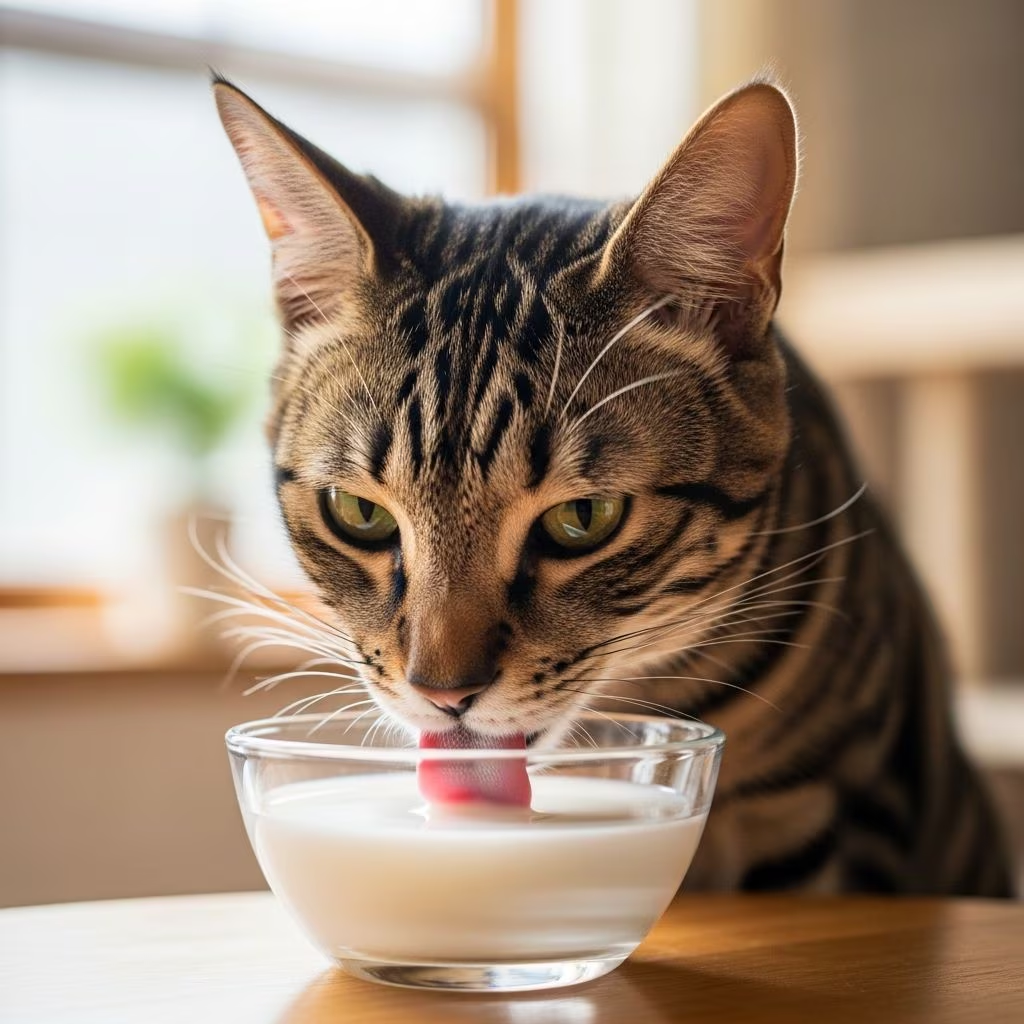
Most adult cats are lactose intolerant and cannot properly digest regular cow’s milk, leading to digestive issues like diarrhea and vomiting. Lactose-free milk, such as Lactaid, eliminates lactose by adding the enzyme lactase, making it safer but not nutritionally essential for cats, as it should only be given occasionally as a treat rather than a dietary staple.
Quick Answer: Can Cats Have Lactose-Free Milk?
Lactose-free milk is generally safe for cats in small amounts because it lacks the lactose sugar that causes stomach upset in lactose-intolerant felines. However, it provides no unique nutritional benefits beyond what a balanced cat diet offers and can contribute to calorie intake leading to weight gain if overfed. Veterinary experts recommend sticking to water for hydration and specially formulated cat milks for treats.
Understanding Lactose Intolerance in Cats
Cats are obligate carnivores, and while kittens produce lactase enzyme to digest their mother’s milk, most adult cats lose significant lactase production after weaning. This results in lactose intolerance, where undigested lactose ferments in the gut, causing bloating, gas, diarrhea, and vomiting. Not all cats react the same; some tolerate tiny amounts, but the majority experience issues, making milk a risky treat.
- Lactase enzyme decline: Kittens have high levels, but adults produce only 10-30% as much, per veterinary studies.
- Symptoms onset: Appear within 30 minutes to hours after consumption, including loose stools and abdominal discomfort.
- Risk factors: Older cats and purebreds like Siamese may be more sensitive.
Why Do Cats Love Milk Despite the Risks?
Cats are drawn to milk due to its high fat content and creamy texture, which appeals to their taste buds evolved for rich, meat-based diets. The fat provides palatability, but the lactose is the culprit for health issues. This attraction persists even in lactose-free varieties, explaining why cats eagerly lap it up.
Myth busting: Milk does not fulfill nutritional needs; cats require taurine and other nutrients from meat, not dairy. Water remains the ideal hydration source, with cats needing about 4 ounces per 5 pounds of body weight daily.
Is Lactose-Free Milk Safe for Cats?
Yes, lactose-free cow’s milk like Lactaid is safer than regular milk because lactase pre-digests the lactose, preventing fermentation and digestive distress. Products such as Lactaid Whole, Fat-Free, 1%, or 2% Milk are considered non-toxic and digestible for cats. However, drawbacks include:
- High calories: Can lead to obesity if given regularly.
- Limited nutrition: Lacks taurine essential for cat heart and eye health.
- Potential additives: Flavored versions like chocolate are toxic.
Vets advise moderation—1-2 tablespoons occasionally as a treat, not daily.
Types of Lactose-Free Milk and Their Safety for Cats
| Type | Safety Level | Pros | Cons |
|---|---|---|---|
| Lactaid Whole Milk | Safe in moderation | Lactose pre-digested; familiar taste | High fat/calories; no taurine |
| Lactaid Fat-Free/1%/2% | Safe in moderation | Lower calories; easier digest | Still unnecessary calories |
| Cat-Sip or Cat-Specific Milk | Highly recommended | Fortified with taurine; vet-formulated | May be pricier |
| Plant Milks (Almond, Oat) | Avoid or minimal | No lactose | Fats cause pancreatitis; no nutrition; additives |
Cat-specific lactose-free milks like Cat-Sip include lactase and taurine, making them the top choice over human lactose-free dairy. Avoid coconut or soy milk due to oils and carbs cats can’t process.
Potential Risks of Giving Cats Any Milk
Even lactose-free options aren’t risk-free. Excess can cause:
- Obesity: Extra calories without satiety.
- Pancreatitis: From plant milk fats like almonds.
- Dehydration: Diarrhea from overindulgence leads to fluid loss.
- Nutrient imbalance: Displaces complete cat food.
If symptoms like vomiting or prolonged diarrhea occur, withhold milk, ensure water access, and consult a vet.
Best Alternatives to Milk for Cats
Prioritize fresh water, possibly via fountains to encourage drinking. For treats mimicking milk:
- Lactose-free cat milk: Brands with taurine and low lactose.
- Chicken broth (low-sodium): Hydrating and flavorful.
- Tuna water (in moderation): From water-packed cans.
- Commercial cat treats: Milk-flavored but digestible.
These provide enjoyment without health risks and align with feline nutritional needs.
How Much Lactose-Free Milk Can Cats Have?
Limit to 1-2 tablespoons per day for a 10-pound cat, 2-3 times weekly max. Monitor for any upset and adjust. Kittens under 8 weeks can have mother’s milk or kitten formula; weaned kittens transition to water. Overfeeding risks weight gain and displaced nutrition from kibble/wet food.
Vet Insights: What Do Experts Say?
Veterinarians universally agree: Water is best; milk is unnecessary. The Paoli Vetcare notes plant milks’ pitfalls, while PDSA emphasizes lactase absence in adults. Chewy and Catster affirm lactose-free as a treat only.
Frequently Asked Questions (FAQs)
Can all cats drink lactose-free milk?
Most can tolerate it better than regular milk, but it’s not essential. Opt for cat-formulated versions.
Is Lactaid milk okay for cats?
Yes, Lactaid varieties without flavors are safe in small amounts, thanks to added lactase.
What if my cat drinks regular milk by accident?
Watch for diarrhea or vomiting; provide water and contact vet if severe.
Why is cat-specific milk better?
It includes taurine and is optimized for feline digestion.
Can plant-based milks replace dairy for cats?
No, due to fats, sugars, and lack of cat nutrients; they may cause GI issues.
Conclusion
While cats can drink lactose-free milk safely in moderation, it’s not recommended as a regular treat due to unnecessary calories and lack of benefits. Stick to water and vet-approved alternatives to keep your cat healthy and happy.
References
- Can Cats Drink Milk? — Paoli Vetcare. 2023. https://www.paolivet.com/health/can-cats-drink-milk/
- Is Milk Safe for Your Cat? — MichuPet. 2024. https://michupet.com/blogs/nutrition/can-cats-drink-milk
- Are Cats Lactose Intolerant? Can Cats Drink Milk? — Chewy. 2024. https://www.chewy.com/education/cat/health-and-wellness/are-cats-lactose-intolerant
- Can Cats Drink Lactaid? Vet-Approved Nutritional Science & Info — Catster. 2024. https://www.catster.com/nutrition/can-cats-drink-lactaid/
- Can Cats Drink Milk? — Triangle Animal Clinic. 2023. https://triangleanimalclinic.com/blog/can-cats-drink-milk/
- Vet Q&A: Can cats drink milk? — PDSA. 2023. https://www.pdsa.org.uk/what-we-do/blog/vet-qa-can-cats-drink-milk
- Can Cats Drink Lactose Free Milk? — Main Street Veterinary Center. 2024. https://mainstreetvetcenter.com/blog/can-cats-drink-lactose-free-milk/



