

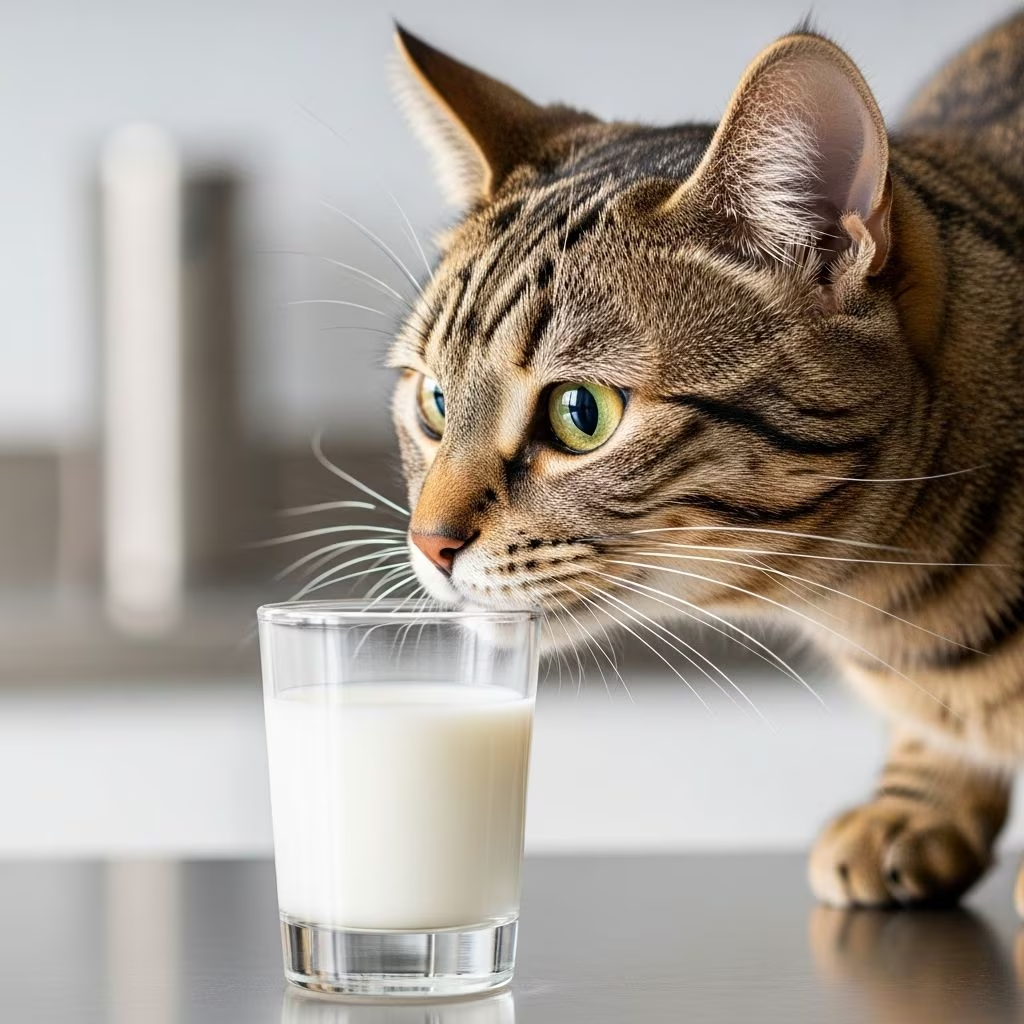
Can Cats Drink Lactaid?
As a cat owner, you may have wondered whether your feline companion can enjoy the same lactose-free milk products that humans consume. Lactaid is a well-known brand that produces lactose-free dairy products, and it’s natural to consider whether this could be a suitable treat for your pet. The straightforward answer is that Lactaid isn’t toxic for cats and is considered safe for them; however, it isn’t particularly healthy for cats either, and it’s best if you don’t offer this milk to your pet cat.
While Lactaid milk may not cause immediate harm to your feline friend, understanding the reasons behind this recommendation requires a deeper look at feline nutrition, lactose intolerance, and what your cat actually needs to thrive.
Understanding Lactaid and How It Works
Lactaid is a series of lactose-free products designed primarily for human consumption. The main purpose of Lactaid products is to help people who are lactose intolerant enjoy dairy products without experiencing digestive discomfort. But how does Lactaid achieve this lactose-free status?
Lactaid works by adding the enzyme lactase to milk products, which essentially pre-digests the lactose sugar found in regular cow’s milk. This enzymatic process breaks down lactose before it reaches the digestive system, allowing lactose-intolerant individuals to consume dairy without the typical side effects.
For cats, the presence of lactase enzyme means that technically, a cat drinking Lactaid milk shouldn’t experience the same gastrointestinal upset that regular milk might cause. However, the safety of the product doesn’t necessarily translate to it being a beneficial addition to your cat’s diet.
Lactose Intolerance in Cats
To understand why Lactaid exists and why it might seem appealing for cats, it’s important to recognize that many cats are lactose intolerant. This is a common misconception among cat owners who believe that all cats enjoy milk and cream.
Lactose intolerance in cats occurs because most adult felines produce insufficient lactase enzyme, making it difficult for them to digest the lactose found in cow’s milk. This biological reality means that:
- Not all cats are lactose intolerant; some tolerate small amounts, but most adult cats have reduced ability to digest lactose
- Lactose intolerance causes the body to struggle with digesting milk sugar, leading to digestive upset
- Symptoms like diarrhea, vomiting, and gas often appear within hours after a cat drinks milk containing lactose
- Feeding regular milk to lactose-intolerant cats can lead to dehydration and nutrient absorption problems, impacting overall health
It’s worth noting that some kittens may tolerate milk better than adult cats because they retain higher levels of lactase enzyme when young. However, as cats mature, this enzyme production typically decreases, making them more susceptible to lactose intolerance.
Which Lactaid Products Are Safe for Cats?
If you’ve decided to occasionally offer Lactaid to your cat, certain products are considered safer options than others. According to veterinary sources, the following Lactaid products are generally regarded as safe for feline consumption:
- Lactaid Whole Milk
- Lactaid Fat-Free Milk
- Lactaid Lowfat 1% Milk
- Lactaid 2% Milk
However, other Lactaid products should be avoided entirely. Products such as sour cream, protein milk, and chocolate milk are not particularly healthy for cats and should be avoided. Chocolate, in particular, is toxic to cats and should never be given under any circumstances.
The nutritional value of each safe Lactaid product varies, but all mainstream Lactaid milk products are lactose-free, which addresses the primary concern regarding feline digestive upset.
Is Lactaid Actually Healthy for Your Cat?
Just because Lactaid is safe for cats to consume doesn’t mean it’s healthy or beneficial for them. This is an important distinction that many pet owners overlook.
Nutritional Inadequacy
Lactaid does not contain the nutrients that cats need to thrive. Cats are obligate carnivores, meaning their bodies are specifically adapted to derive nutrition from animal protein and fats. A species-appropriate cat diet should be primarily composed of high-quality animal protein and fats.
While Lactaid milk contains some protein and fat, it doesn’t provide the complete nutritional profile that cats require for optimal health. Using Lactaid as a dietary staple would inevitably lead to nutritional deficiencies over time.
Risk of Finicky Eating
Another potentially serious downside of regularly offering Lactaid to your cat is that it can cause your cat to become picky about what they eat. Cats are naturally selective eaters, and introducing an appealing treat like Lactaid can reinforce picky behavior.
If you allow your cat to consume Lactaid regularly, they may begin to expect it as part of their daily routine. This can make things very difficult for cat owners, as the cat may refuse to eat their nutritionally balanced cat food in favor of the milk treat. Eventually, this preference can push out proper nutrition from their diet entirely.
Weight Gain and Obesity
Regular consumption of Lactaid milk can contribute to obesity or nutrient deficiencies since excess calories from milk can lead to weight gain and obesity, which increase the risk of diabetes and joint problems in cats. Even though Lactaid is free of lactose, it still contains calories that can accumulate if consumed regularly.
Potential Risks and Side Effects
While Lactaid is generally safer than regular milk for cats, it still carries certain risks that pet owners should be aware of:
- Digestive upset: Some cats may still experience diarrhea or vomiting if they are sensitive to milk proteins or additives in Lactaid milk
- Allergic reactions: Some cats may develop allergic reactions to ingredients in Lactaid milk, causing skin irritation or respiratory issues
- Dehydration: If your cat drinks too much milk, they could experience serious digestive issues like diarrhea, vomiting, bloating, and stomach pain, with ongoing diarrhea potentially leading to dehydration
- Nutritional imbalance: Milk products do not provide essential nutrients cats need, so relying on them can cause nutritional imbalances over time
It’s important to observe your cat’s behavior and stool consistency after giving any milk product to detect intolerance early. If lactose intolerance is suspected, eliminate dairy from your cat’s diet and consult your veterinarian for guidance.
Recognizing Signs of Lactose Intolerance in Your Cat
If you do decide to offer Lactaid to your cat, understanding the signs of lactose intolerance can help you identify problems quickly. Common symptoms include diarrhea, vomiting, bloating, gas, and abdominal pain occurring shortly after dairy consumption.
These symptoms typically appear within hours of consumption. If you notice any of these signs after your cat has consumed Lactaid, discontinue the product immediately and consult your veterinarian. Some cats have more sensitive digestive systems than others, and individual tolerance varies significantly.
Healthier Alternatives to Lactaid for Your Cat
Rather than offering Lactaid to your cat, there are several safer and more nutritionally appropriate alternatives:
Fresh Water
The best choice for your cat’s hydration is always fresh, clean water. Unlike milk, water provides essential hydration without any calories or potential digestive complications. Ensure your cat has constant access to fresh water throughout the day.
Cat-Specific Milk Alternatives
Specially formulated cat milk products are safer and healthier options for cats. These products are designed specifically for feline nutritional needs and digestion. Products like Cat-Sip, a vacuum-packed lactose-free milk alternative, are formulated to be gentle on a cat’s stomach while providing some nutritional benefit.
Cat-specific milk products are preferable to human products like Lactaid because they take into account the unique digestive and nutritional requirements of felines.
High-Quality Cat Food
The foundation of your cat’s nutrition should be high-quality commercial cat food formulated to meet all of your cat’s nutritional requirements. Whether you choose wet food, dry kibble, or a combination of both, ensure it provides complete and balanced nutrition.
Veterinarian-Approved Treats
If you want to offer treats to your cat, consult your veterinarian for recommendations on healthy options that complement their diet without causing nutritional imbalance.
Best Practices for Offering Milk to Your Cat
If you choose to occasionally offer Lactaid to your cat despite the recommendations against it, follow these best practices:
- Offer only small amounts as an occasional treat, not as a regular part of their diet
- Never allow Lactaid to replace water or regular cat food
- Monitor your cat closely for any signs of digestive upset
- Consult your veterinarian before introducing Lactaid, especially if your cat has a sensitive stomach
- Stop offering Lactaid immediately if your cat shows any signs of intolerance
- Avoid all chocolate and flavored Lactaid products
Veterinarians generally advise against giving any milk products regularly to cats due to potential health risks and lack of dietary benefits. This professional consensus reflects the scientific understanding of feline nutrition and digestive health.
Frequently Asked Questions
Q: Is Lactaid toxic to cats?
A: No, Lactaid is not toxic to cats. However, it isn’t particularly healthy for them either, and regular consumption should be avoided. While Lactaid doesn’t contain lactose, it still may cause digestive issues in some cats and offers no significant nutritional benefit.
Q: Can my cat drink Lactaid milk safely?
A: Some cats may tolerate Lactaid milk since it lacks lactose, but it is not recommended as a regular treat due to potential digestive and nutritional risks. Occasional small amounts may not cause harm, but regular feeding can lead to digestive upset and nutritional problems.
Q: What are the signs of lactose intolerance in cats?
A: Symptoms include diarrhea, vomiting, gas, and bloating shortly after consuming dairy products, indicating difficulty digesting lactose. These signs typically appear within hours of consumption.
Q: What should I give my cat instead of Lactaid?
A: Fresh water is the best option for hydration. If you want to offer a milk-like treat, consider specially formulated cat milk products or consult your veterinarian for healthy treat recommendations.
Q: Can Lactaid milk cause allergies in cats?
A: Yes, some cats may react to proteins or additives in Lactaid milk, leading to skin or respiratory issues. Individual cats have varying sensitivities to dairy products.
Q: Should I give my cat milk as a treat?
A: It’s best to avoid regular milk treats and choose cat-specific products or healthy treats recommended by your veterinarian. Milk provides no nutritional benefit that your cat cannot get from proper cat food.
Q: What happens if my cat drinks too much Lactaid?
A: Too much consumption can push out their normal cat food from their diet, eventually leading to nutritional deficiencies. Additionally, Lactaid can often lead to picky eating, particularly when given regularly.
Conclusion
While Lactaid milk is not toxic to cats and contains the lactase enzyme to break down lactose, it remains an inappropriate choice for regular feline consumption. The fact that Lactaid is safe doesn’t make it healthy or beneficial for your cat’s long-term health and nutrition.
Cats have unique digestive and nutritional needs that Lactaid milk simply does not meet. Even if your cat can drink Lactaid without immediate problems, regular consumption can lead to nutritional deficiencies, picky eating habits, and potential weight gain.
The best approach is to focus on providing your cat with fresh water and high-quality, species-appropriate cat food. If you want to offer treats occasionally, consult your veterinarian for recommendations on options that support your cat’s health. By understanding your cat’s true nutritional needs, you can make informed decisions that prioritize their wellbeing and longevity.
References
- Can Cats Drink Lactaid? Safe or Not? — Zoorithm. 2025. https://www.zoorithm.com/cats/can-cat-drink-lactaid
- Can Cats Drink Lactaid? Vet-Approved Nutritional Science & Info — Catster. 2025. https://www.catster.com/nutrition/can-cats-drink-lactaid/
- Can Cats Drink Milk? – PetMD — PetMD. 2025. https://www.petmd.com/cat/nutrition/can-cats-drink-milk
- Is Milk Safe for Your Cat? — MichuPet. 2025. https://michupet.com/blogs/nutrition/can-cats-drink-milk
- Are Cats Lactose Intolerant? Can Cats Drink Milk? — Chewy. 2025. https://www.chewy.com/education/cat/health-and-wellness/are-cats-lactose-intolerant



