

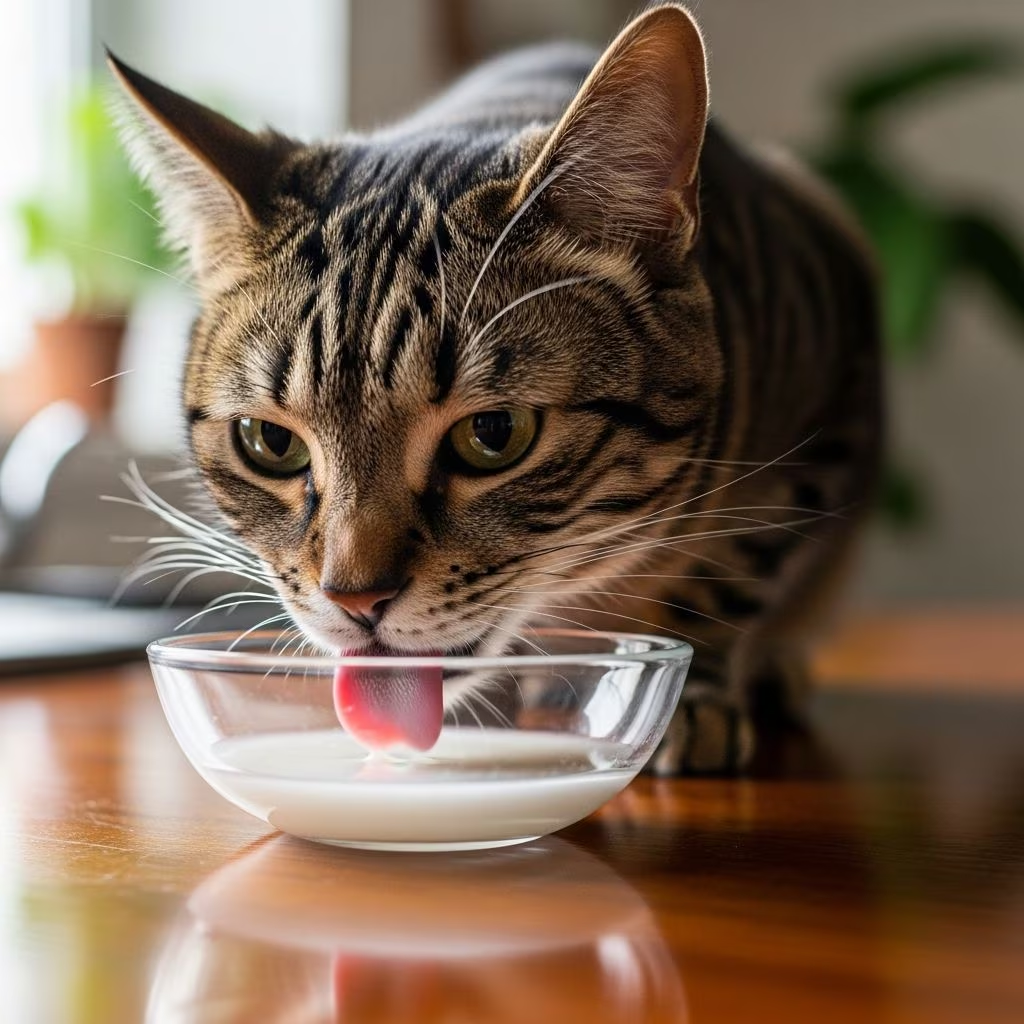
Lactaid is a popular lactose-free milk designed for humans who struggle with dairy digestion. Many cat owners wonder if this product is a safe alternative for their pets, given that most adult cats are lactose intolerant. While Lactaid isn’t toxic and may be tolerated in small amounts, it’s not particularly nutritious or recommended as a regular treat for cats.
This comprehensive guide dives into the science behind cat digestion, evaluates Lactaid’s suitability, outlines potential risks and benefits, and suggests healthier options to ensure your cat thrives.
What Is Lactaid Milk?
Lactaid milk is regular cow’s milk treated with the enzyme lactase, which breaks down lactose—the natural sugar in milk—into simpler sugars like glucose and galactose. This process makes it digestible for lactose-intolerant humans, preventing common symptoms like bloating, gas, and diarrhea.
The product line includes varieties such as whole milk, fat-free, 1% low-fat, and 2% reduced-fat options, all of which are lactose-free. However, flavored versions like chocolate or protein shakes, as well as products like sour cream, contain additives unsuitable for cats and should be strictly avoided.
While innovative for human needs, Lactaid is formulated with human nutrition in mind, featuring levels of fat, protein, and carbohydrates that don’t align perfectly with feline dietary requirements. Cats are obligate carnivores, meaning their bodies are optimized for high-protein, low-carbohydrate diets from animal sources.
Are Cats Lactose Intolerant?
Yes, most adult cats are lactose intolerant. Kittens produce the enzyme lactase to digest the lactose in their mother’s milk, but production decreases sharply after weaning, often leaving adults with insufficient levels to handle dairy sugars.
When lactose-intolerant cats consume regular milk, undigested lactose ferments in the gut, leading to symptoms such as:
- Diarrhea
- Vomiting
- Gas and bloating
- Stomach cramps
- Dehydration from fluid loss
These issues can appear within hours and, if chronic, may lead to nutrient malabsorption, weight loss, and weakened immunity. Not all cats react severely—some tolerate tiny amounts—but the risk is high enough that veterinarians universally advise against regular cow’s milk.
Can Cats Drink Lactaid?
Lactaid’s lactose-free nature addresses the primary barrier of intolerance, making it safer than regular milk. Vet-approved sources confirm that small amounts of plain Lactaid (whole, fat-free, 1%, or 2%) are non-toxic and unlikely to cause digestive upset in most cats.
However, ‘safe’ doesn’t mean ‘ideal.’ Cats don’t require milk post-weaning, and Lactaid provides empty calories without essential taurine, arachidonic acid, or balanced vitamins/minerals found in commercial cat food. Here’s a comparison of nutritional profiles:
| Nutrient (per 100ml) | Cat Food (Average) | Lactaid Whole Milk | Implication for Cats |
|---|---|---|---|
| Protein | 10-12g | 3.3g | Insufficient for muscle maintenance |
| Fat | 5-9g | 3.3g | May unbalance energy intake |
| Carbs/Sugars | <5g | 4.8g | Excess can lead to obesity |
| Taurine | 0.1-0.2% | 0g | Critical for heart/eye health; absent |
In short, occasional sips (e.g., a teaspoon) might delight your cat without harm, but it shouldn’t replace water or meals.
Is Lactaid Healthy for Cats?
No, Lactaid isn’t a healthy staple for cats. Even without lactose, it lacks the species-appropriate nutrition cats need. High-quality cat food delivers complete, balanced meals with precise ratios of protein (30-40%), fats (15-20%), and minimal carbs, supporting everything from coat health to kidney function.
- Nutritional Gaps: Missing key amino acids like taurine can cause dilated cardiomyopathy or blindness over time.
- Caloric Density: Milk’s sugars contribute to weight gain; obese cats face diabetes, arthritis, and hepatic lipidosis risks.
- Finicky Eating: Regular treats can make cats reject kibble or wet food, leading to deficiencies.
Studies from veterinary bodies emphasize water as the best hydration source, with milk alternatives only as rare treats. Offering Lactaid might satisfy curiosity but does little for long-term wellness.
Potential Risks of Feeding Lactaid to Cats
Despite its lactose-free status, risks persist:
- Digestive Sensitivity: Some cats react to casein (milk protein) with mild diarrhea, itching, or vomiting.
- Allergies: Dairy allergies manifest as skin rashes, ear infections, or respiratory issues.
- Obesity and Imbalances: Excess calories displace nutrient-dense food, risking deficiencies.
- Dehydration Paradox: Ironically, frequent loose stools from sensitivities can dehydrate.
Sensitive breeds like Siamese or Persians may fare worse. Always monitor for 24-48 hours post-exposure and consult a vet if issues arise.
What Can Cats Drink Instead of Lactaid?
Prioritize fresh, clean water—cats often need encouragement via fountains. For milk-like treats:
- Cat-Specific Milks: Brands like Cat-Sip or Whiskas Cat Milk are lactose-free, fortified with taurine, and low-calorie.
- Bone Broth: Low-sodium, plain chicken or fish broth hydrates and adds flavor without sugars.
- Diluted Tuna Water: From water-packed tuna (no salt/oil) as an occasional boost.
- Commercial Treats: Freeze-dried meats or dental chews for nutrition and engagement.
Avoid plant milks (almond, oat) due to high carbs and potential toxins like xylitol.
Conclusion
Lactaid milk is safe in tiny, occasional amounts for most cats thanks to its lactose-free formula, but it’s not healthy or necessary. Risks like nutritional shortfalls, obesity, and picky eating outweigh any minor appeal. Stick to water and vet-recommended cat food for optimal health—your feline will thank you with vitality and longevity. If your cat shows dairy interest, opt for purpose-made alternatives and always prioritize professional veterinary advice tailored to your pet’s needs.
Frequently Asked Questions
What is Lactaid, and why do people drink it?
Lactaid is cow’s milk with added lactase enzyme to break down lactose, making it suitable for lactose-intolerant humans.
Can cats safely drink Lactaid milk?
Yes, small amounts are generally safe and non-toxic, but not recommended regularly due to nutritional mismatches.
What are the signs of lactose intolerance in cats?
Common symptoms include diarrhea, vomiting, gas, bloating, and cramps appearing soon after consumption.
Is Lactaid healthy for cats?
No, it lacks essential nutrients like taurine and can lead to obesity or finicky eating.
Are there better alternatives to Lactaid for cats?
Yes, lactose-free cat milks, bone broth, or water are safer and more appropriate.
Can Lactaid cause allergies in cats?
Possibly—some cats are sensitive to milk proteins, causing skin issues or digestive upset.
Should I give my cat milk as a treat?
Limit to cat-specific products occasionally; regular milk, even Lactaid, isn’t ideal.
References
- Can Cats Drink Lactaid? Safe or Not? — Zoorithm. 2023. https://www.zoorithm.com/cats/can-cat-drink-lactaid
- Can Cats Drink Lactaid? Vet-Approved Nutritional Science & Info — Catster. 2024-05-15. https://www.catster.com/nutrition/can-cats-drink-lactaid/
- Can Cats Drink Lactaid? Vet-Approved Nutrition Facts — Hepper. 2023. https://articles.hepper.com/can-cats-drink-lactaid/
- Can Cats Drink Milk? — PetMD. 2024-01-10. https://www.petmd.com/cat/nutrition/can-cats-drink-milk
- Are Cats Lactose Intolerant? Can Cats Drink Milk? — Chewy. 2023-11-20. https://www.chewy.com/education/cat/health-and-wellness/are-cats-lactose-intolerant



