

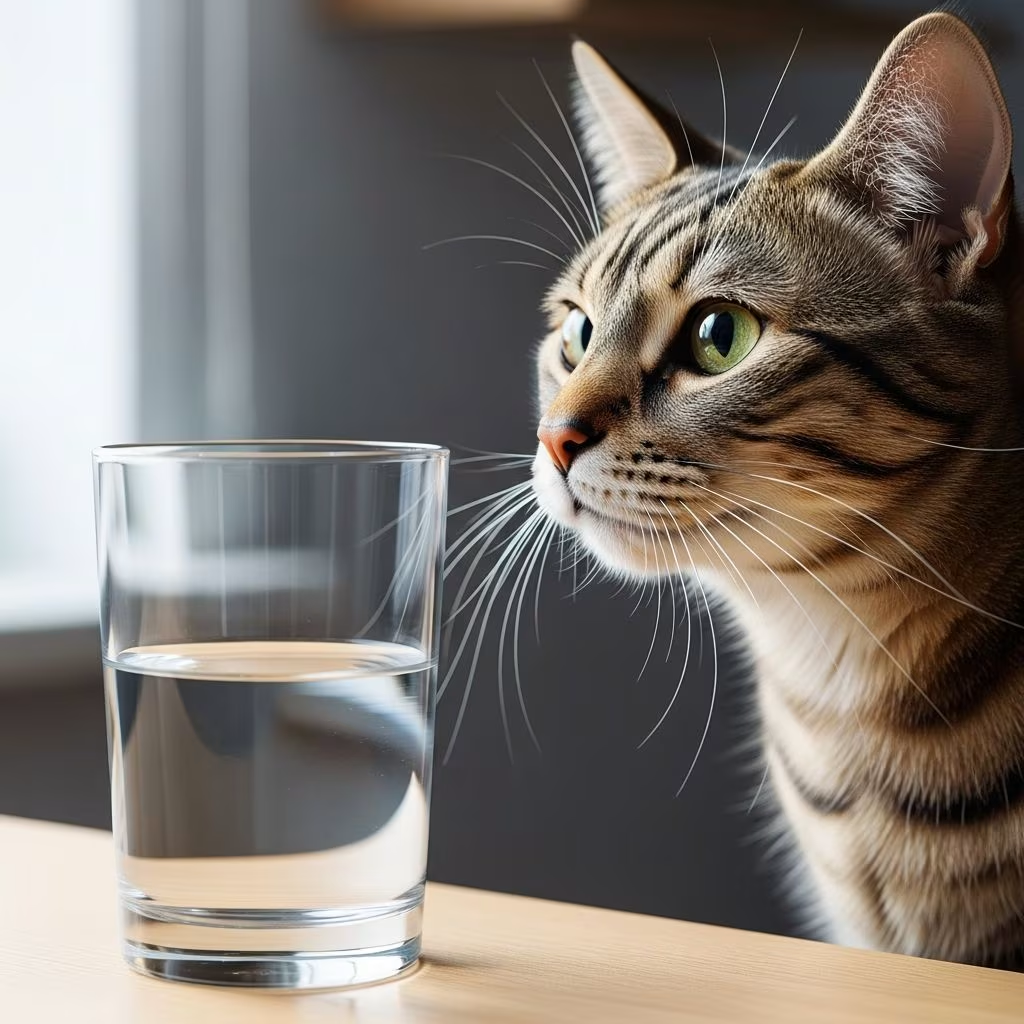
Distilled water is safe for cats in moderation but not ideal as their primary long-term hydration source due to the absence of essential minerals like calcium and magnesium, which support bone health, muscle function, and overall vitality. While it offers purity benefits, especially in areas with poor tap water quality, veterinarians generally recommend filtered, spring, or tested tap water to ensure balanced nutrition alongside a complete diet.
What Is Distilled Water?
Distilled water undergoes a purification process involving boiling to create steam, then condensing it back into liquid form, effectively removing impurities, minerals, contaminants, bacteria, and chemicals. This results in nearly 100% pure H2O, free from the natural electrolytes and trace elements found in tap, spring, or well water. The process mimics natural rainfall collection but is industrially controlled for consistency.
This high purity makes distilled water ideal for applications like medical equipment, laboratories, irons, and humidifiers where mineral buildup (scaling) could cause damage. For pets, its appeal lies in eliminating potential toxins from municipal supplies, but the trade-off is the stripping of beneficial minerals cats derive in small amounts from typical drinking water sources.
Is Distilled Water Safe for Cats?
Yes, cats can drink distilled water without immediate harm, as it provides pure hydration and poses no acute toxicity risks. However, prolonged exclusive use may lead to mineral deficiencies or electrolyte imbalances since cats obtain trace amounts of calcium, magnesium, sodium, and potassium from water alongside their diet. Healthy cats fed balanced commercial or homemade food typically get sufficient minerals from kibble or wet food, mitigating risks, but vulnerable cats (e.g., those with kidney disease, seniors, or kittens) may require mineralized water.
Veterinary consensus leans toward moderation: occasional use is fine, but not as the sole source. Cats are obligate carnivores with efficient kidneys evolved to concentrate urine and conserve water, making them somewhat tolerant of pure water, but long-term demineralization could subtly affect pH balance, bone density, or nerve function over months or years.
Pros and Cons of Distilled Water for Cats
Distilled water presents a balanced profile of advantages and drawbacks for feline hydration. Below is a detailed comparison to help cat owners evaluate its suitability.
| Pros | Cons |
|---|---|
| Purity: Removes 99.9% of contaminants, bacteria, viruses, heavy metals, chlorine, fluoride, and pesticides, ideal for cats in regions with poor tap water quality or during travel. | Lack of Essential Minerals: No calcium, magnesium, or trace elements vital for bone health, muscle contraction, and enzyme function; may contribute to deficiencies if diet is marginal. |
| Reduced Toxin Exposure: Eliminates risks from lead, copper (from old pipes), PFAS chemicals, or disinfection byproducts linked to digestive upset or long-term health issues. | Electrolyte Imbalance Risk: Absence of sodium and potassium can disrupt hydration balance, potentially worsening conditions like urinary tract disease or dehydration recovery. |
| Prevents Urinary Crystals/Stones: Low mineral content reduces struvite or calcium oxalate crystal formation in prone cats, easing kidney burden. | Potential Nutritional Gaps: Cats sipping small amounts of water supplement dietary minerals; pure water may lead to subtle hypocalcemia or hypomagnesemia over time. |
| Dental Health Benefits: No calcium/magnesium buildup prevents tartar and plaque on teeth, supporting oral hygiene. | Leaching Effect: Ultra-pure water may theoretically draw minerals from the body, though evidence in cats is limited and diet usually compensates. |
| Digestion Aid: Gentler on sensitive stomachs, reducing diarrhea or vomiting from chlorine-treated tap water. | Cost and Convenience: More expensive and requires frequent purchase/storage compared to tap or home-filtered options. |
| Fountain Maintenance: Prevents scaling in cat water fountains, extending appliance life and reducing cleaning frequency. | Overhydration Potential: Cats may drink excessively due to lack of taste/minerals, risking dilutional hyponatremia. |
Benefits of Distilled Water for Cats
- Ultimate Purity: The distillation process leaves behind impurities, providing a pristine hydration source especially beneficial for immunocompromised or allergy-prone cats.
- Toxin Mitigation: Tap water often contains chlorine, chloramine, fluoride, and heavy metals; distilled water safeguards against chronic low-level exposure.
- Health Condition Support: Recommended short-term for urinary or kidney issues to minimize crystal formation and support renal function.
- Consistent Quality: Uniform composition regardless of location, perfect for multi-home cats or boarding situations.
- Oral and Digestive Wellness: Minimizes plaque and stomach irritation from additives.
Drawbacks of Distilled Water for Cats
- Mineral Deficiency: Cats need these for optimal health; exclusive use might necessitate dietary adjustments or supplements.
- Electrolyte Concerns: Lacks ions crucial for nerve signaling and fluid balance.
- Long-Term Health Impacts: Potential for weakened bones, heart rhythm issues, or urinary pH shifts if unmonitored.
What Do Veterinarians Say About Distilled Water for Cats?
Veterinarians offer nuanced views: most agree distilled water is safe short-term or occasionally but prefer mineral-containing alternatives for daily use. For instance, vets treating urinary crystal cases may prescribe it temporarily alongside diet changes, as seen in feline diabetes forums where it aided crystal-prone diabetics on dry food. However, bodies like the American Veterinary Medical Association emphasize balanced hydration mirroring human guidelines—filtered over distilled. Consult your vet for personalized advice based on bloodwork, water tests, and health history.
Alternatives to Distilled Water for Cats
- Filtered Tap Water: Removes contaminants while retaining minerals; use pitcher filters or under-sink systems certified for lead/PFAS reduction.
- Spring or Mineral Water: Naturally mineralized, bottled varieties provide electrolytes without additives.
- Reverse Osmosis (RO) Water: Highly purified but often remineralized post-filtration for pet safety.
- Wet Food Hydration: Supplies 70-80% moisture plus nutrients; top-dress dry kibble with water or low-sodium broth.
- Water Fountains: Circulating fountains encourage intake with filtered tap water, preventing stagnation.
Tips for Keeping Your Cat Hydrated
- Provide multiple fresh water stations daily, cleaned to prevent bacteria.
- Use stainless steel or ceramic bowls; avoid plastic which harbors odors.
- Opt for fountains mimicking running water to boost consumption.
- Mix wet and dry food; add tuna water or broth to entice drinkers.
- Monitor urine output, litter clumping, and behavior for dehydration signs like dry gums or lethargy.
- Test local tap water annually via EPA-certified labs for contaminants.
Can Cats Drink Distilled Water in a Water Fountain?
Yes, distilled water excels in cat fountains by preventing mineral buildup, reducing bacteria, and simplifying maintenance. However, alternate with mineral water periodically or use fountain-specific filters to balance purity and nutrition.
Frequently Asked Questions (FAQs)
Can cats drink tap water?
Generally yes, if safe for humans—test for contaminants. Sensitive cats may need filtration to remove chlorine or metals.
Is bottled water safe for cats?
Spring or purified bottled water is fine; avoid flavored or carbonated types.
Should I use distilled water long-term for my cat?
No, due to mineral loss; reserve for specific health directives from your vet.
Does distilled water prevent urinary problems in cats?
It can reduce crystal risk short-term, but diet and vet care are primary preventives.
How much water should my cat drink daily?
About 3-4 ounces per 5 pounds of body weight, more on dry food diets.
References
- Pet-Safe Water Sources — Hills Pet Nutrition. 2023-05-15. https://www.hillspet.com/pet-care/nutrition-feeding/pet-safe-water-sources
- Clean Drinking Water for Cats — Clean Water Store. 2024-02-20. https://www.cleanwaterstore.com/blog/clean-drinking-water-for-cats-what-every-cat-owner-should-know/
- Can You Use Distilled Water for a Cat Drinking Fountain? — UAH Pet. 2024-08-10. https://www.uahpet.com/blogs/post/can-you-use-distilled-water-for-a-cat-drinking-fountain-1



