

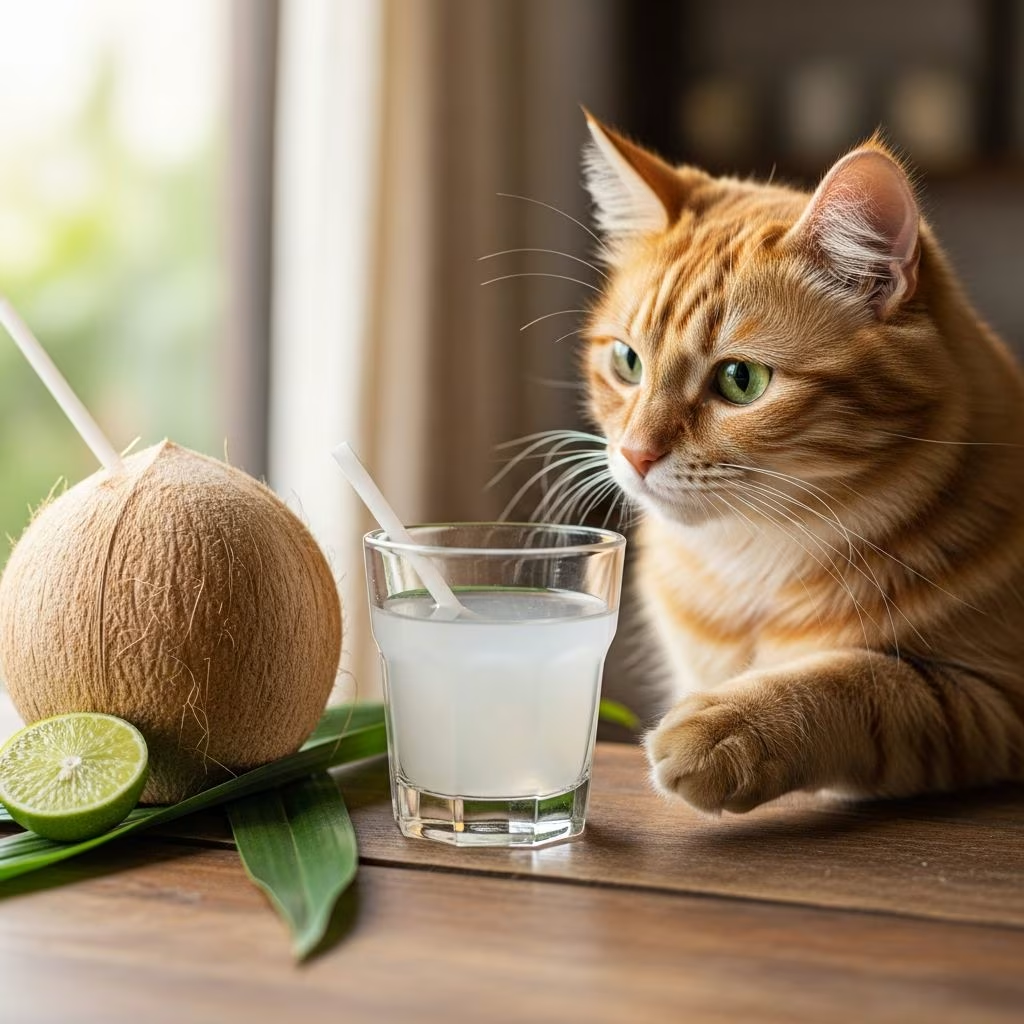
Coconut water is the clear liquid found inside young green coconuts, popular among humans for its hydrating electrolytes and natural sweetness. But can cats drink coconut water safely? While not directly toxic, vets strongly advise against it due to high potassium levels that can disrupt feline electrolyte balance, especially in cats with kidney issues or heart conditions.
Cats are obligate carnivores with specific nutritional needs, and plant-based drinks like coconut water offer no essential benefits while posing digestive and metabolic risks. This comprehensive guide explores the nutrition, risks, benefits, and safer alternatives, drawing from veterinary insights to help you keep your cat healthy and hydrated.
What Is Coconut Water?
Coconut water is the natural liquid inside immature coconuts, distinct from coconut milk (which is made by blending mature coconut flesh with water). It’s naturally rich in electrolytes like **potassium**, **sodium**, **magnesium**, and **calcium**, plus small amounts of vitamins such as C and B-complex. Humans enjoy it for post-workout hydration, but cats’ biology differs significantly.
For cats, this electrolyte profile—particularly the high potassium (around 250mg per 100ml)—can be problematic. Felines have sensitive kidneys and limited ability to process excess minerals from non-meat sources, potentially leading to hyperkalemia (elevated blood potassium). Unlike humans, cats don’t sweat or exercise in ways that deplete these electrolytes, making supplementation unnecessary.
Can Cats Drink Coconut Water Safely?
No, cats should not drink coconut water regularly or in significant amounts. The ASPCA lists coconut products as foods to avoid, citing risks of stomach upset from fats and oils in related items like coconut flesh or oil. Coconut water itself carries a high potassium load that can exacerbate conditions like chronic kidney disease (CKD), common in older cats.
- Short-term effects: A tiny sip might cause no harm in healthy cats, but larger amounts can lead to vomiting, diarrhea, or lethargy.
- Long-term risks: Repeated exposure risks electrolyte imbalances, heart arrhythmias, muscle weakness, or collapse in sensitive cats.
- Vulnerable cats: Those with kidney disease, heart issues, or hyperkalemia history should never have it.
Veterinarians emphasize moderation or complete avoidance, as cats get all needed hydration and electrolytes from fresh water and a balanced meat-based diet.
Nutritional Breakdown of Coconut Water for Cats
Coconut water’s nutrition suits human needs but mismatches feline requirements. Cats thrive on high-protein, low-carb diets with taurine from animal sources—plant electrolytes don’t substitute effectively.
| Nutrient (per 100ml) | Amount | Relevance to Cats |
|---|---|---|
| Potassium | ~250mg | Excess risks hyperkalemia; cats regulate via kidneys, prone to failure |
| Sodium | ~25mg | Low but unnecessary; commercial cat food provides balance |
| Calories | ~19 | Low, but sugars can upset digestion |
| Sugars | ~6g | Cats lack sweet taste receptors; unnecessary carbs risk obesity |
| Fat | Nearly 0g | Better than coconut milk/oil, but still not cat-digestible |
While low-fat compared to coconut milk, the plant-based profile burdens cats’ carnivorous GI tract, lacking enzymes for optimal breakdown.
Potential Health Benefits of Coconut Water for Cats
Claims of benefits like improved hydration, skin health, or digestion stem from human/anecdotal use, lacking cat-specific studies. Coconut oil (related) has unproven perks for fur or immunity, but evidence is anecdotal. For coconut water:
- Hydration myth: Cats prefer plain water; flavored options like tuna juice encourage drinking better without risks.
- Electrolyte boost: Unneeded; healthy cats maintain balance via diet.
- Antioxidants: Minimal vitamins offer no proven edge over commercial food.
Vets note no substantiated benefits outweigh risks—stick to vet-approved diets.
Risks and Side Effects of Coconut Water for Cats
Primary concern: **high potassium** leading to hyperkalemia, causing weakness, irregular heartbeat, or collapse. Other issues include:
- Digestive upset: Vomiting, diarrhea from sugars and unfamiliar plant compounds.
- Obesity/weight gain: Calories add up if given frequently.
- Pancreatitis risk: Though low-fat, related coconut products strain pancreas.
- Allergic reactions: Rare, but watch for itching or swelling.
Symptoms warrant vet visit; prevention is key.
How Much Coconut Water Can Cats Have?
Best amount: **none**. If offering as a rare treat, limit to 1-2 teaspoons for a 10lb cat, diluted, once-off. Monitor closely; discontinue at any upset. Not suitable for kittens, seniors, or health-compromised cats. Always consult vet first.
What About Coconut Oil, Milk, and Flesh?
Coconut Oil
High-fat (90%+ saturated), risks diarrhea, pancreatitis, obesity. Anecdotal for fur/skin, but unproven; avoid or vet-guided tiny doses.
Coconut Milk
Even riskier: thick, fatty, sugary. Causes GI issues; cats can’t digest plant proteins well. No benefits.
Coconut Flesh
Fibrous, oily; leads to vomiting/diarrhea. ASPCA advises avoidance.
What Should Cats Drink Instead of Coconut Water?
**Fresh water** is ideal—ensure constant access via fountains for picky drinkers. Safe alternatives:
- Chicken/tuna broth: Low-sodium, homemade; hydrates and entices.
- Goat’s milk (diluted): Lactose-low for some adults; probiotic benefits.
- Cantaloupe water: Squeeze juice into bowl; vitamin-rich, 89% water.
- Commercial cat milk: Lactose-free formulas.
Avoid human drinks; meat and water suffice.
Frequently Asked Questions (FAQs)
Is coconut water toxic to cats?
No, but high potassium makes it unsafe, risking hyperkalemia and GI upset.
Will a little coconut water hurt my cat?
Possibly mild upset; monitor, but avoidance is best.
Can coconut water help dehydrated cats?
No—use vet fluids or broth; consult professional.
Is coconut water better than coconut milk for cats?
Slightly, due to lower fat, but both inadvisable.
What if my cat drank coconut water?
Watch for vomiting/lethargy; call vet if persists.
References
- Can Cats Eat Coconut? Vet-Reviewed Health Benefits & Risks — Catster. 2023. https://www.catster.com/nutrition/can-cats-eat-coconut/
- Can Cats Drink Coconut Milk? Vet Approved Facts & FAQ — Catster. 2023. https://www.catster.com/nutrition/can-cats-drink-coconut-milk/
- What Foods Are Toxic to Cats? 16 Everyday Items (Vet Reviewed) — Catster. 2023. https://www.catster.com/cat-health-care/what-foods-are-toxic-to-cats/
- What Can Cats Drink Besides Water? 3 Vet-Approved Options — Catster. 2023. https://www.catster.com/nutrition/drinks-a-cat-can-have-besides-water/
- Can Cats Eat Coconut Oil? Vet-Reviewed Nutrition Facts & FAQ — Catster. 2023. https://www.catster.com/nutrition/can-cats-eat-coconut-oil/



