

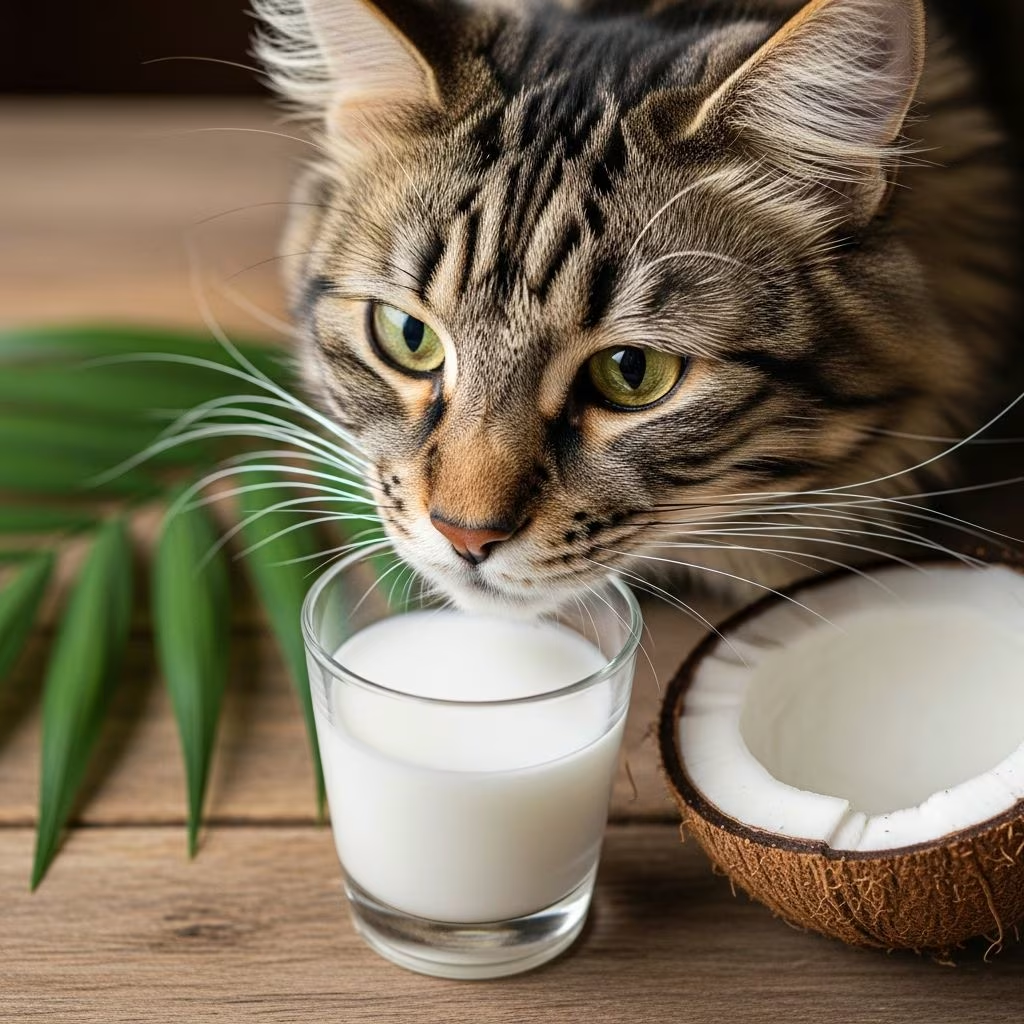
Can Cats Drink Coconut Milk? Vet-Approved Facts & FAQ
Coconut milk is non-toxic to cats, but is it healthy? There are mixed opinions about this topic, and understanding the nuances is essential for responsible pet ownership. The reality is that cats don’t need nor benefit from coconut milk in the way that humans do. While many cat owners wonder if this creamy plant-based beverage could be a safe treat for their feline companions, the answer requires a deeper exploration of feline nutrition and digestive health.
Understanding Coconut Milk and Feline Digestion
Coconut milk is derived from the compressed flesh of coconuts mixed with water, creating a creamy liquid that resembles dairy milk but is completely plant-based. While coconut milk doesn’t contain lactose since it’s derived from plants rather than animals, it still takes a significant toll on your kitty’s digestive system. This is a crucial distinction that many pet owners overlook when considering alternative milk products for their cats.
Your cat doesn’t have the appropriate enzymes necessary to break down coconut milk efficiently. This enzymatic deficiency is rooted in your cat’s evolutionary biology. Cats are strictly carnivorous creatures, meaning they are designed to eat meat almost exclusively. Their digestive systems have evolved over thousands of years to process animal-based proteins and nutrients, not plant-based products.
To understand this difference, consider that dogs are omnivorous like humans, which is why a significant portion of their diet can consist of vegetables, fruits, and grains. Cats, however, follow a completely different biological path. When you offer foods outside of their primary carnivorous diet, you can run into serious digestive troubles. Your cat’s gastrointestinal tract can’t break down plant proteins properly because animal and plant proteins differ significantly in their composition and digestibility for felines.
Nutritional Content of Coconut Milk
Understanding the nutritional profile of coconut milk is essential for making informed decisions about your cat’s diet. Store-bought coconut milk typically contains the following nutritional values per serving:
| Nutrient | Percentage |
|---|---|
| Protein | 2% |
| Fat | 30% |
| Carbohydrates | 5% |
The high fat content is particularly concerning for cats. While humans benefit from the healthy fats found in coconut milk, cats do not require these fats and can suffer negative consequences from consuming too much. Repeatedly eating these extra fats and oils can cause stomach upset, weight gain, and other metabolic issues in your feline friend.
Do Cats Benefit from Coconut Milk?
As humans, we recognize that coconut milk is full of nutritional benefits. It’s packed with vitamins, iron, selenium, magnesium, and calcium. It helps improve blood pressure and aids in heart health for people. However, these benefits extend to humans only and don’t translate to our feline companions.
For cats, coconut milk presents a different story entirely. While coconut milk may not be the best option in terms of fats, sugars, and proteins, does it have any positive qualities to offer cats at all? The real answer is straightforward: cats reap no benefit from coconut milk that they don’t already get in their regular, species-appropriate diet. In fact, the cons significantly outweigh any potential pros when it comes to offering this tropical product to your cat.
Cats thrive on a diet specifically formulated to meet their unique nutritional requirements, which are fundamentally different from human nutritional needs. A quality cat food contains the right balance of animal proteins, essential amino acids like taurine, vitamins, and minerals that cats need for optimal health. Coconut milk cannot replicate or enhance these benefits.
Potential Side Effects of Coconut Milk for Cats
If you offer coconut milk sparingly, it may be alright in the sense that it won’t cause permanent long-term harm. However, the outcome will vary significantly from cat to cat based on individual sensitivities and digestive health. Frequently drinking coconut milk can cause several side effects that you should watch out for:
- Diarrhea
- Vomiting
- Loose, foul-smelling stools
- Weight gain and obesity
- General upset stomach and abdominal discomfort
- Lethargy and reduced energy levels
These symptoms can appear within a few hours after your cat ingests coconut milk. If symptoms persist or worsen, it’s crucial to contact your veterinarian immediately for professional guidance and evaluation.
Potassium Imbalance and Health Risks
Beyond digestive upset, another significant concern with coconut products is the potassium content. Too much potassium in coconut flesh and related products can cause severe repercussions for your cat, a condition known as hyperkalaemia. Excess potassium in felines can result in:
- Muscle weakness and loss of tone
- Depression and behavioral changes
- Heart palpitations with the risk of coronary failure
- Urinary tract infections (UTIs)
- Cystitis and bladder stones
Hyperkalaemia can disrupt the delicate balance your cat’s body needs to function properly. While these conditions can usually be managed through a healthy diet consisting of good-quality, species-appropriate ingredients, any imbalances caused by eating coconut products can undermine this balance and lead to serious health complications.
Additives and Processing Concerns
Another critical consideration when evaluating coconut milk for cats involves the additives and processing methods used in commercial products. Many store-bought coconut milks contain added sugars, preservatives, flavorings, or stabilizers that can be harmful or irritating to cats. Some brands may also include:
- Thickeners that upset the digestive system
- Artificial sweeteners that may be toxic to cats
- Guar gum and other stabilizers
- Added sugars and syrups
- Sodium and other electrolytes in excessive amounts
Always check the ingredient list before considering any coconut product for your cat. Keep flavored or processed coconut milk away from pets entirely and stick exclusively to cat-appropriate foods and treats that have been formulated with feline nutritional needs in mind.
Special Considerations for Vulnerable Cats
Certain cats are at higher risk for complications from coconut milk consumption. Kittens, for example, should never be given coconut milk. Their developing digestive systems are particularly sensitive, and the high fat content can easily cause digestive upset or interfere with proper nutrition during their critical growth phase.
Additionally, cats with specific health conditions should avoid coconut milk entirely. This includes cats with:
- Pancreatitis or pancreatic disease
- Gastrointestinal disorders or inflammatory bowel disease
- Obesity or weight management issues
- Kidney disease or renal problems
- Diabetes or metabolic disorders
- Heart conditions or cardiovascular disease
If your cat has any existing health conditions or concerns, it’s crucial to consult with your veterinarian before introducing any new foods or beverages. Your vet can provide tailored advice that aligns with your specific cat’s unique dietary and medical needs.
Comparing Coconut Milk to Other Milk Alternatives
Many cat owners seek alternatives to regular cow’s milk because they understand that adult cats are naturally lactose intolerant. However, coconut milk is not a suitable replacement. Coconut milk is too high in fat for cats and can cause notable gastrointestinal upset similar to cow’s milk, despite not containing lactose.
Even goat milk, which is lower in lactose than cow’s milk, can still cause gastrointestinal upset and contains high amounts of calories and fat. The fundamental issue isn’t just about lactose content—it’s about matching your cat’s actual nutritional requirements, which are completely different from human or even dog nutritional requirements.
Frequently Asked Questions
Q: Is Coconut Milk Safe For All Cats?
A: Coconut milk isn’t toxic to cats, but it’s not safe or suitable for all of them. It’s high in fat and calories, which can upset a cat’s digestive system. Some cats may tolerate a tiny amount without noticeable symptoms, while others may experience stomach issues almost immediately. Since it offers no nutritional benefit, it’s best avoided completely.
Q: How Often Can I Give My Cat Coconut Milk?
A: Ideally, you shouldn’t give coconut milk at all. If your cat accidentally licks a small amount, it’s unlikely to cause serious harm. However, coconut milk should not be offered as a treat or regular addition to their diet. Occasional exposure to trace amounts is different from intentionally providing it as food or a beverage.
Q: What Are The Symptoms Of Coconut Milk Intolerance In Cats?
A: Symptoms may include vomiting, diarrhea, loose or greasy stools, bloating, gas, abdominal discomfort, or lethargy. These signs can appear within a few hours after ingestion. If symptoms persist or worsen, contact your veterinarian immediately for professional evaluation and treatment.
Q: Can Kittens Have Coconut Milk?
A: No. Kittens should not be given coconut milk under any circumstances. Their developing digestive systems are particularly sensitive, and the high fat content can easily cause digestive upset or interfere with proper nutrition during the critical growth and development phase.
Q: Are There Other Ingredients In Coconut Milk That Are Harmful To Cats?
A: Yes. Many store-bought coconut milks contain added sugars, preservatives, flavorings, or stabilizers that can be harmful or irritating to cats. Some may also include thickeners or sweeteners that cats shouldn’t consume. Always keep flavored or processed coconut milk away from pets and stick exclusively to cat-appropriate foods.
Q: What Should I Do If My Cat Drinks Coconut Milk?
A: If your cat accidentally drinks a small amount of coconut milk, monitor them closely for signs of digestive upset over the next 24 hours. Watch for vomiting, diarrhea, or behavioral changes. If symptoms develop or persist, contact your veterinarian. If your cat consumed a large quantity, seek veterinary care immediately.
Q: What Are Better Alternatives For Hydrating My Cat?
A: Fresh, clean water is the best option for keeping your cat hydrated. Some cats prefer running water from a fountain, which can encourage drinking. You can also offer wet food, which contains high water content and provides hydration along with proper nutrition. Consult your vet for hydration strategies tailored to your cat’s preferences.
The Bottom Line
While coconut milk is non-toxic to cats in minute quantities, it offers no nutritional benefits and carries significant risks of digestive upset, weight gain, and potential electrolyte imbalances. The high fat content and lack of essential feline nutrients make it an unsuitable choice for your cat’s diet. Instead of experimenting with human food items, focus on providing your cat with high-quality commercial cat food that’s been specifically formulated to meet all of their unique nutritional requirements. When in doubt about any food or beverage, always consult with your veterinarian to ensure you’re making the best choices for your feline companion’s health and longevity.
References
- Can Cats Eat Coconut Milk? — Hustonveterinary.com. Accessed January 14, 2026. https://hustonveterinary.com/can-cats-eat-coconut-milk/
- Can Cats Drink Coconut Milk? Vet Approved Facts & FAQ — Catster. Accessed January 14, 2026. https://www.catster.com/nutrition/can-cats-drink-coconut-milk/
- Can Cats Eat Coconut? Safe Types, Risks & Vet-Backed Tips — BasePaws. Accessed January 14, 2026. https://basepaws.com/blog/can-cats-eat-coconut
- Can Cats Drink Milk? — Hill’s Pet US. Accessed January 14, 2026. https://www.hillspet.com/cat-care/nutrition-feeding/can-cats-drink-milk
- Can cats eat coconut, or are tropical treats best avoided? — Untamed. Accessed January 14, 2026. https://untamed.com/blogs/nutrition/can-cats-eat-coconut



