

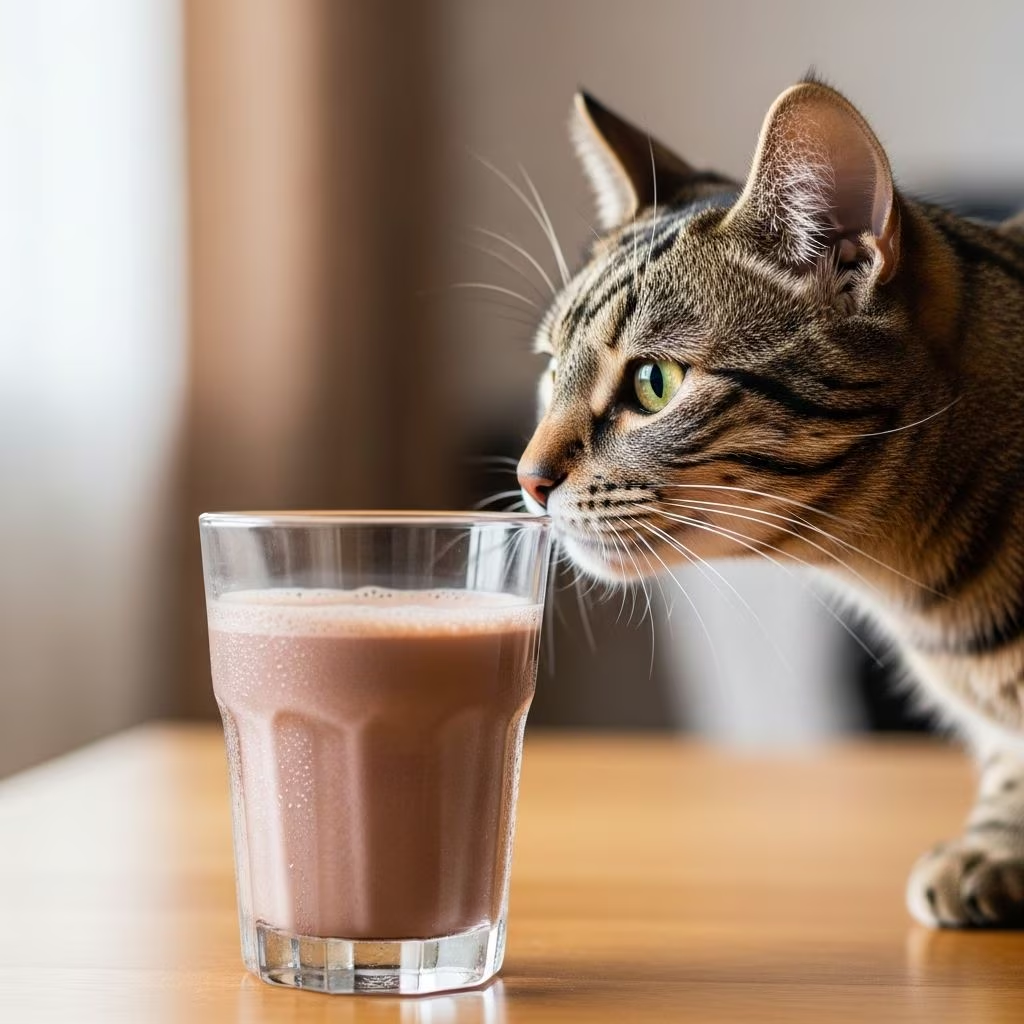
Can Cats Drink Chocolate Milk? Vet Approved Facts
Chocolate milk is not safe for cats. It contains lactose, and cats are lactose intolerant after 2 months of age. They can suffer an upset stomach and vomiting in the short term. In the long term, the high fat and calorie levels of chocolate milk can lead to obesity, which is common in cats and can cause long-term and debilitating illnesses. Although present in a very small amount, the chocolate in the milk is also toxic to cats.
The truth is that milk is bad for cats. Most adult cats are lactose intolerant, and veterinarians agree that they should not be given any flavored milk, including chocolate milk. Despite decades of images and videos showing cats drinking milk, this habit perpetuates a dangerous misconception among pet owners about what cats can safely consume.
Is Milk Safe For Cats?
Understanding feline milk consumption requires looking at how cats’ digestive systems develop. During the first 2 months of their lives, cats consume all of their nutrients through their mother’s milk. Once kittens transition to solid foods, their bodies undergo a significant biological change: they can no longer process the sugar found in milk. Their bodies stop producing lactase, the enzyme required to break down lactose, because they no longer need it. This is what causes lactose intolerance, and basically every cat suffers from it after a few months of age.
If your cat drinks milk, they can suffer from several unpleasant gastrointestinal symptoms. These include vomiting, diarrhea, and abdominal discomfort. Your cat may be able to stomach a few mouthfuls of milk without immediate serious consequences, but they will not process it properly. Milk is also packed with calories, which can contribute to weight gain over time.
While your cat will likely recover after drinking a few sips as a one-time occurrence, regular feeding of chocolate milk can lead to obesity. Additionally, the chocolate content in chocolate milk adds another layer of concern, as chocolate is poisonous to cats. The combination of lactose intolerance, high fat and sugar content, and chocolate toxicity makes chocolate milk particularly dangerous for feline consumption.
Is Chocolate Milk Safe For Cats?
Chocolate milk is definitively not safe for cats for multiple interconnected reasons. The first concern is the lactose content, which triggers digestive distress in most adult felines. The second major concern is the chocolate itself. Chocolate milk does not contain much cocoa, depending on the product anywhere from 1% to 25%, but it can certainly increase the risk of toxicity in cats if they drink enough of it. Chocolate contains theobromine and caffeine, which are methylxanthine compounds that cats cannot process effectively. Since a cat’s system processes these constituents slowly, this can lead to a buildup of these toxic substances causing serious health problems.
Even small amounts of chocolate can harm cats, with darker varieties posing the greatest risk. A small piece of dark chocolate can be more dangerous than a larger amount of milk chocolate due to higher theobromine levels. Smaller cats face greater danger from the same amount of chocolate compared to larger cats, making chocolate milk particularly risky for kittens or small breed cats.
Consuming too much fatty and sugary food can lead to obesity, which is as dangerous in cats as it is in people. Obesity in cats can lead to serious health complications including:
- Cancer
- Diabetes mellitus
- Heart disease
- Hypertension
- Osteoarthritis
- Bladder stones
These conditions can significantly reduce your cat’s quality of life and lifespan, making preventative measures through proper nutrition essential.
Why Do Cats Seem Attracted to Chocolate Milk?
Many cat owners observe their feline companions showing interest in chocolate milk and assume the cats enjoy the chocolate flavor. However, this assumption is incorrect. Cats are not attracted to the chocolate flavor of chocolate milk because they don’t have a sweet tooth like dogs do. Instead, cats are attracted to the fat in the milk, which is why they love ice-cream products and other high-fat foods. The fat content triggers their interest, not the chocolate itself, making chocolate milk particularly deceptive as a potentially harmful treat.
Understanding Chocolate Toxicity in Cats
The danger posed by chocolate to cats cannot be overstated. Chocolate contains methylxanthine compounds, specifically theobromine and caffeine, which are toxic to cats. These ingredients might be naturally metabolized by humans, but not by cats. The toxicity level depends on the type and amount of chocolate consumed. The darker and more bitter the chocolate, the more dangerous it becomes to cats.
Different types of chocolate contain varying concentrations of theobromine, the primary toxic compound. Listed from most to least toxic, the ranking is:
- Cocoa beans and cocoa powder (most dangerous)
- Unsweetened cocoa powder and unsweetened baker’s chocolate
- Semisweet chocolate
- Dark chocolate
- Milk chocolate
- White chocolate (least dangerous, though still not recommended)
A general rule of thumb is that chocolate is toxic to cats at about 0.0032 ounces per pound of body weight. For example, an 8-pound cat can get equally sick from 0.2 ounces of baker’s chocolate as they could from 1.1 ounces of milk chocolate due to the differing concentrations of toxic compounds.
Symptoms of Chocolate Toxicity and Milk-Related Illness
Mild cases of chocolate or milk-related digestive issues may show as slight restlessness, increased thirst, or occasional vomiting. Your cat might seem more active than usual or have minor stomach upset. However, even with mild symptoms, you should call your veterinarian for guidance as these signs can progress to more serious conditions.
Serious chocolate toxicity includes ongoing vomiting, diarrhea, elevated heart rate, panting, or muscle tremors. More severe symptoms indicating a life-threatening emergency include seizures, collapse, or difficulty breathing. Additional warning signs of chocolate toxicity include:
- Hyperactivity and restlessness
- Muscle tremors and rigidity
- Weakness and lethargy
- Panting and increased breathing rate
- Increased thirst and frequent urination
- Diarrhea in addition to vomiting
- Low blood pressure
- Irregular or increased heart rate
- Loss of consciousness or coma in severe cases
If your cat shows any of these symptoms after consuming chocolate milk or any chocolate product, call an emergency veterinary clinic right away.
Healthy Alternatives to Chocolate Milk
The good news is that there are several alternatives to chocolate milk that are safer for your feline companion. Cat milk, made by several brands, is lactose-reduced milk specifically formulated for feline consumption. It still contains some lactose, and if your cat is especially sensitive to it, they can suffer gastrointestinal distress after drinking just a small amount. Cat milk is also high in calories and should be fed in moderation. However, it can be used to supplement the diet of an undernourished, underweight cat or for feeding orphaned kittens when necessary.
Some milk alternatives, including coconut and almond milk, might be suitable but should be fed sparingly and only after consulting with your veterinarian. These options contain fewer calories and less lactose than regular milk, making them potentially safer choices if you insist on offering your cat a milk-like beverage.
The only truly safe option is to stick to fresh water. Water is the only liquid cats need to consume to stay healthy. Although milk is high in calcium, cats can get enough of the essential minerals from their daily diet. There is no nutritional reason to give milk to a cat, especially since they do not have a sweet tooth and receive no real benefit from dairy products.
Why Flavored Milk Products Are Particularly Dangerous
Flavored milk products like chocolate milk pose additional risks beyond plain milk. Flavored milk has ingredients that may be toxic to cats, and they could cause a lot more harm than ordinary milk. Some flavoring agents, artificial sweeteners, and additives may contain substances that are harmful to feline health. Consulting your vet and doing a detailed check of the ingredient list is crucial before considering even the tiniest amount of milk for your cat. Many commercial chocolate milk products also contain high levels of sugar and artificial ingredients that offer no nutritional benefit to cats.
What To Do If Your Cat Ingests Chocolate Milk
If you suspect your cat has consumed chocolate milk or any chocolate product, immediate action is necessary. Contact your veterinarian or call the Animal Poison Control Center (APCC) at (888) 426-4435 for assistance and support. Do not wait to see if symptoms develop. Even a small amount of chocolate can make your cat severely ill, and they can die if they ingest too much. Providing your veterinarian or poison control with information about the amount consumed and the type of chocolate milk will help them assess the risk and determine if your cat needs emergency treatment.
Time is critical in chocolate toxicity cases. The faster you seek professional help, the better the chances of successful treatment and recovery. Your veterinarian may induce vomiting, administer activated charcoal, or provide supportive care depending on the amount consumed and your cat’s current symptoms.
Frequently Asked Questions (FAQs)
Q: Can cats drink any milk at all?
A: Most adult cats should not drink any milk, as they are lactose intolerant after 2 months of age. Even specialized cat milk should only be offered occasionally in small portions, and regular water is the only liquid cats truly need.
Q: What should I do if my cat accidentally drinks chocolate milk?
A: Contact your veterinarian or the Animal Poison Control Center immediately at (888) 426-4435. Provide information about the amount consumed and the type of chocolate milk. Do not wait for symptoms to appear.
Q: How much chocolate is toxic to cats?
A: Chocolate is toxic to cats at approximately 0.0032 ounces per pound of body weight. Dark chocolate and baker’s chocolate are more dangerous than milk chocolate due to higher theobromine content.
Q: Why do cats seem interested in chocolate milk if it’s dangerous?
A: Cats are attracted to the high fat content in milk, not the chocolate flavor. They lack the taste receptors for sweetness that dogs have, so they don’t actually enjoy the chocolate taste.
Q: Are there safe alternatives to chocolate milk for cats?
A: The safest option is fresh water. If you want to offer an alternative, specialized cat milk (lactose-reduced) can be given occasionally in small portions, but it should never be a regular part of your cat’s diet.
Q: Can a small amount of chocolate milk cause serious harm?
A: Yes. Even small amounts of chocolate can trigger serious health problems in cats, ranging from vomiting to heart issues or seizures in severe cases. There is no safe amount of chocolate for cats.
Q: What are the long-term health risks of obesity in cats from high-calorie foods?
A: Obesity in cats can lead to serious conditions including diabetes mellitus, heart disease, hypertension, osteoarthritis, cancer, and bladder stones. These conditions significantly impact quality of life and lifespan.
References
- Can Cats Drink Chocolate Milk? Vet Approved Facts & FAQ — Catster. 2025. https://www.catster.com/nutrition/can-cats-drink-chocolate-milk/
- Can Cats Have Chocolate: Is It an Emergency Situation? — Golden State Veterinary Society. 2024. https://gsvs.org/blog/chocolate-toxicity-cats-emergency/
- Can Cats Eat Chocolate? A Guide to Safety — Purina US. 2025. https://www.purina.com/articles/cat/feeding/can-cats-eat/chocolate



