

Can Cats Drink Buttermilk? A Complete Guide
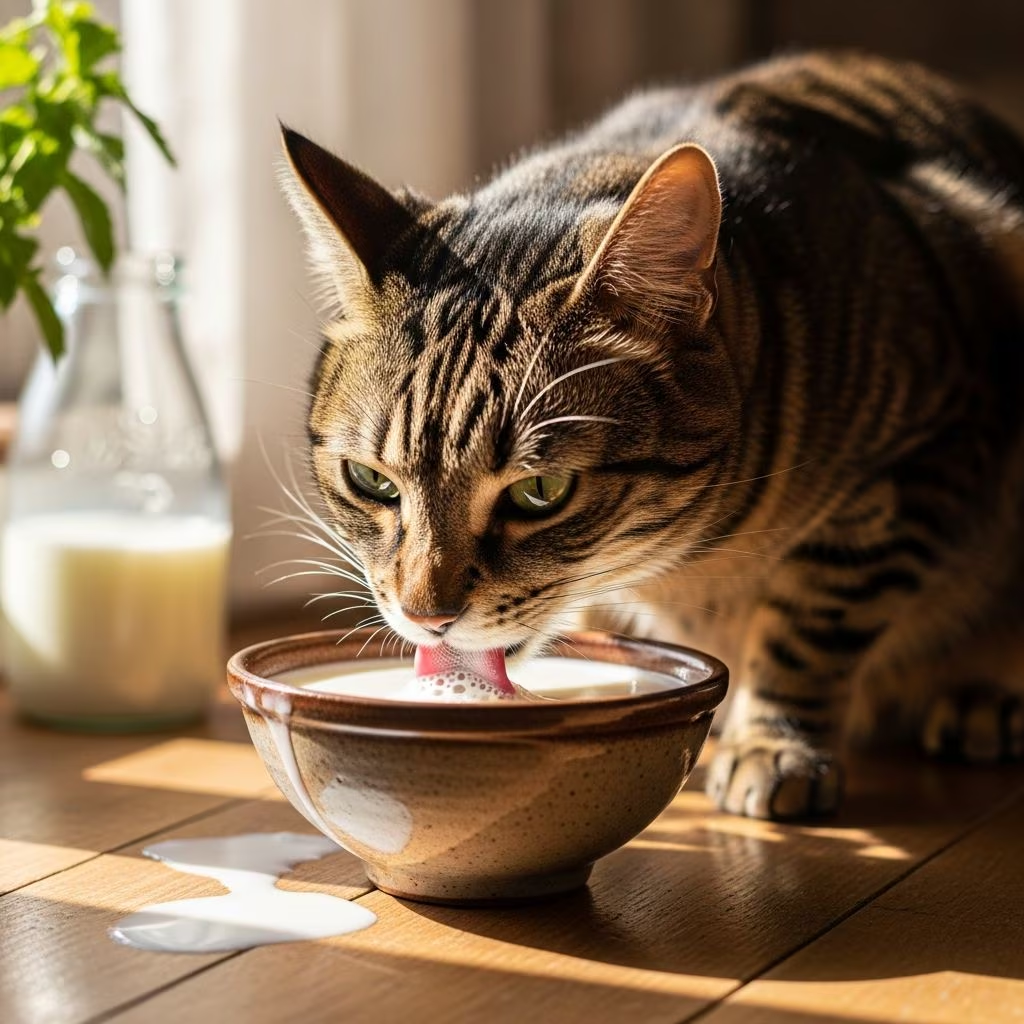
The image of a cat contentedly lapping up a bowl of milk is iconic in popular culture, but the reality of feline nutrition tells a different story. Many cat owners wonder whether buttermilk, often promoted as a healthier alternative to regular milk, is safe for their beloved pets. The short answer is: buttermilk is generally not recommended for cats, despite its fermented nature and lower lactose content compared to regular milk.
Understanding why buttermilk poses risks for cats requires examining their unique digestive physiology and nutritional needs. Cats are obligate carnivores, meaning their bodies are designed to derive nutrition primarily from meat-based sources. Their digestive systems have evolved over thousands of years to process animal proteins and fats, not dairy products. This fundamental biological reality makes buttermilk and other dairy products potentially problematic for most feline companions.
Understanding Buttermilk and Its Composition
Buttermilk is a fermented dairy product traditionally made from the liquid remaining after butter is churned from cream. This fermentation process gives buttermilk its distinctive tangy flavor and creates a unique nutritional profile that differs from regular milk. The fermentation is accomplished through the action of lactic acid bacteria, which transforms milk sugars and proteins.
In terms of nutritional composition, buttermilk contains:
- Lower fat content compared to regular milk and cream
- Lactose, albeit in reduced quantities due to fermentation
- Probiotics from the fermentation process that benefit human digestive health
- Small amounts of essential nutrients including calcium, vitamin B12, and vitamin D
- Lactic acid bacteria that support gut flora balance in humans
While these components might seem beneficial, the presence of remaining lactose and the uncertain effects of probiotics on feline digestive systems make buttermilk a questionable choice for cats. The fermentation process reduces lactose content but does not eliminate it entirely, leaving enough lactose to potentially trigger digestive upset in lactose-intolerant cats.
Cat Lactose Intolerance Explained
The primary concern with buttermilk and other dairy products for cats centers on lactose intolerance. To understand this issue, it’s important to know what lactose intolerance actually is and why it affects most cats.
Lactose is a natural sugar found in milk and dairy products. To digest lactose, mammals require an enzyme called lactase, which breaks down lactose into simpler sugars that the body can absorb. Kittens typically produce adequate amounts of lactase, which allows them to nurse from their mother and digest milk effectively during early life.
However, as cats mature into adulthood, their bodies naturally produce less lactase. Most adult cats produce very low levels of this enzyme, making them lactose intolerant. Research suggests that approximately 90% of adult cats experience some degree of lactose intolerance. This is a normal part of feline development, not a disease or abnormality.
When a lactose-intolerant cat consumes buttermilk or other dairy products, the undigested lactose passes through the digestive tract. This lactose draws water into the intestines through osmosis, and bacteria in the colon ferment the undigested sugars, producing gas and other byproducts that lead to discomfort and gastrointestinal distress.
Digestive Issues Associated with Buttermilk
Feeding buttermilk to cats can trigger a range of digestive problems, particularly in cats with significant lactose intolerance. Understanding these potential side effects is crucial for responsible cat ownership.
Common digestive symptoms cats may experience after consuming buttermilk include:
- Diarrhea – Often the most common symptom, resulting from lactose drawing water into the intestines
- Vomiting – Some cats may regurgitate buttermilk or experience nausea
- Gas and bloating – Caused by bacterial fermentation of undigested lactose in the colon
- Abdominal discomfort – Cats may exhibit signs of pain, restlessness, or behavioral changes
- Loss of appetite – Digestive upset may cause cats to avoid their regular food
Individual cats vary in their sensitivity to lactose. Some cats tolerate small amounts of dairy products without noticeable symptoms, while others experience severe reactions even to minimal quantities. This unpredictability makes buttermilk a risky treat option. Additionally, repeated exposure to lactose can worsen digestive sensitivity over time, potentially leading to chronic gastrointestinal problems.
Pet owners should be aware that symptoms may not appear immediately. It can take up to 24 hours for lactose-related digestive upset to manifest, making it difficult to identify the cause if multiple foods or treats have been offered recently.
Potential Risks and Allergic Reactions
Beyond lactose intolerance, buttermilk presents additional risks for cats that extend beyond digestive upset. Some cats may have allergic reactions to proteins present in dairy products, creating a secondary concern when offering buttermilk.
Potential allergic reactions to buttermilk include:
- Skin irritation and itching
- Inflammatory responses affecting the skin or digestive tract
- Hives or other dermatological manifestations
- Swelling of the face, lips, or throat in severe cases
Long-term consumption of dairy products may also disrupt the normal balance of gut flora in cats, potentially leading to chronic digestive problems and weakened digestive health. This disruption can reduce the cat’s ability to absorb nutrients from their regular diet and make them more susceptible to other digestive issues.
Examining Buttermilk’s Nutritional Benefits for Cats
While buttermilk does contain certain nutrients, it’s important to evaluate whether these benefits justify the risks for feline companions.
Buttermilk contains probiotics that support gut health in humans, but research on their effects in cats remains limited. While some anecdotal reports suggest that buttermilk can soothe mild digestive upset in cats, scientific evidence supporting this claim is lacking. The probiotics beneficial to humans may not function the same way in feline digestive systems.
Buttermilk does provide calcium and vitamins B12 and D, which are essential nutrients for bone health and overall wellness. However, a properly balanced cat diet that includes high-quality commercial cat food or veterinarian-approved homemade meals already supplies these nutrients in appropriate quantities. Cats don’t require dairy products to obtain these essential minerals and vitamins.
The low-fat content of buttermilk compared to cream or whole milk does reduce the risk of obesity or pancreatitis if offered in extremely small quantities. However, this modest benefit is far outweighed by the risks of lactose intolerance and digestive upset.
Safe Alternatives to Buttermilk for Cats
If you’re looking for ways to enhance your cat’s nutrition or provide occasional treats, numerous safer alternatives exist that don’t carry the risks associated with buttermilk.
The best hydration option for cats remains:
- Fresh water – The only liquid cats truly need for optimal health and hydration
- Wet cat food – Provides both hydration and complete nutrition
- Cat-safe broths – Unsalted, meat-based broths can provide hydration and flavor appeal
For cats that tolerate small amounts of dairy without adverse effects, safer options than buttermilk include lactose-free milk formulated specifically for cats. However, even lactose-free options should only be offered occasionally as treats, never as a primary source of hydration.
If your cat enjoys flavored treats and you want to provide probiotic support, cat-specific probiotic supplements formulated by veterinarians offer targeted benefits without the risks associated with dairy products. These supplements are designed specifically for feline digestive health and can be more effective than relying on buttermilk.
Testing Your Cat’s Lactose Tolerance
If you’ve already fed your cat buttermilk or dairy products and want to determine their individual tolerance level, a careful testing approach can provide useful information.
To test your cat’s lactose tolerance:
- Offer a very small amount (approximately one tablespoon) of buttermilk to your cat
- Wait 24 hours to observe any gastrointestinal effects
- Monitor for symptoms including diarrhea, vomiting, gas, or behavioral changes indicating abdominal discomfort
- If no symptoms appear, your cat may tolerate small amounts of dairy occasionally
- If any symptoms develop, avoid buttermilk and dairy products in the future
Even if your cat passes this test and tolerates small amounts of buttermilk, experts recommend avoiding dairy products altogether. Since dairy provides no nutritional benefit that cannot be obtained from a balanced cat diet, and carries potential risks even for tolerant cats, it’s simply not worth the risk.
Comparing Different Dairy Products for Cats
Understanding how different dairy products compare can help you make informed decisions about what to feed your cat.
| Dairy Product | Lactose Content | Safety for Cats | Notes |
|---|---|---|---|
| Regular Milk | High | Not Recommended | Contains significant lactose that causes digestive upset in most cats |
| Buttermilk | Moderate | Not Recommended | Fermentation reduces lactose but doesn’t eliminate it; risks outweigh benefits |
| Yogurt | Low-Moderate | Not Recommended | Often contains added sugars and flavorings harmful to cats |
| Cheese | Variable | Not Recommended | High in fat and calories; lactose content varies by type |
| Cream | Low | Not Recommended | Extremely high in fat; risk of obesity and pancreatitis |
| Lactose-Free Milk | None | Occasional Only | Safer option but not nutritionally necessary for cats |
Frequently Asked Questions About Cats and Buttermilk
Q: Can kittens drink buttermilk safely?
A: Kittens produce more lactase than adult cats and can tolerate dairy somewhat better. However, veterinarians still recommend avoiding buttermilk and other dairy products unless specifically recommended by your vet. It’s best to focus on kitten-specific formulas and foods designed for their nutritional needs.
Q: What should I do if my cat has already consumed buttermilk?
A: Monitor your cat for 24 hours for signs of digestive upset including diarrhea, vomiting, gas, or behavioral changes. Most cases resolve naturally within this timeframe. If symptoms persist beyond 24 hours or are severe, contact your veterinarian for guidance.
Q: Are there any cats that can safely drink buttermilk?
A: Some individual cats tolerate small amounts of dairy better than others due to varying lactase production levels. However, veterinary consensus recommends avoiding buttermilk regardless, as safer alternatives exist and no nutritional necessity exists for dairy in feline diets.
Q: Is diluted buttermilk safer for cats?
A: While diluting buttermilk with water reduces lactose concentration, it also reduces any potential nutritional benefit. Diluted buttermilk remains unnecessary and potentially problematic for most cats.
Q: Can buttermilk help with my cat’s digestive problems?
A: Despite containing probiotics, buttermilk is more likely to cause digestive problems than solve them in lactose-intolerant cats. For digestive support, use veterinarian-formulated probiotic supplements designed specifically for cats.
Q: What are the best drink options for cats?
A: Fresh water is the only liquid cats need for optimal health. Wet cat food provides both hydration and nutrition. Unsalted meat broths can occasionally be offered for variety, but should not replace water as the primary hydration source.
Conclusion
While buttermilk contains some beneficial nutrients and probiotics, it is generally not recommended for cats due to their lactose intolerance and the risk of digestive upset. Most adult cats cannot properly digest lactose, even in reduced quantities found in fermented products like buttermilk. The potential for diarrhea, vomiting, gas, and long-term digestive problems makes buttermilk an unnecessary risk.
Cat owners should prioritize their feline’s unique dietary needs by providing balanced, species-appropriate nutrition. Fresh water remains the best beverage option, while high-quality cat food formulated by nutritionists ensures cats receive all necessary nutrients without digestive complications. If you’re interested in supporting your cat’s digestive health with probiotics, consult your veterinarian about supplements formulated specifically for feline use.
Every cat is an individual with unique tolerances and preferences, but when it comes to buttermilk, the safest choice is to keep it off the menu entirely. Your cat’s health and comfort are worth the effort to find safer treat alternatives that provide genuine nutritional value without the risks associated with dairy products.
References
- Can Cats Have Buttermilk? Safety & Health Guide — Zoorithm. 2025. https://www.zoorithm.com/cats/can-cats-have-buttermilk
- Can Cats Drink Buttermilk? Vet-Reviewed Info to Consider — Hepper. 2025. https://articles.hepper.com/can-cats-drink-buttermilk/
- Can Cats Drink Milk? — Bondi Vet. 2025. https://bondivet.com/blogs/cat-health/cats-drink-milk
- Cats Drinking Milk: Fact or Fiction? — PetPlace.com. 2025. https://www.petplace.com/article/cats/pet-behavior-training/cat-behavior-training/cats-drinking-milk-fact-fiction
- Can Cats Eat Cheese, Milk, and other Dairy Products? — Petcube. 2025. https://petcube.com/blog/can-cats-eat-cheese/



