

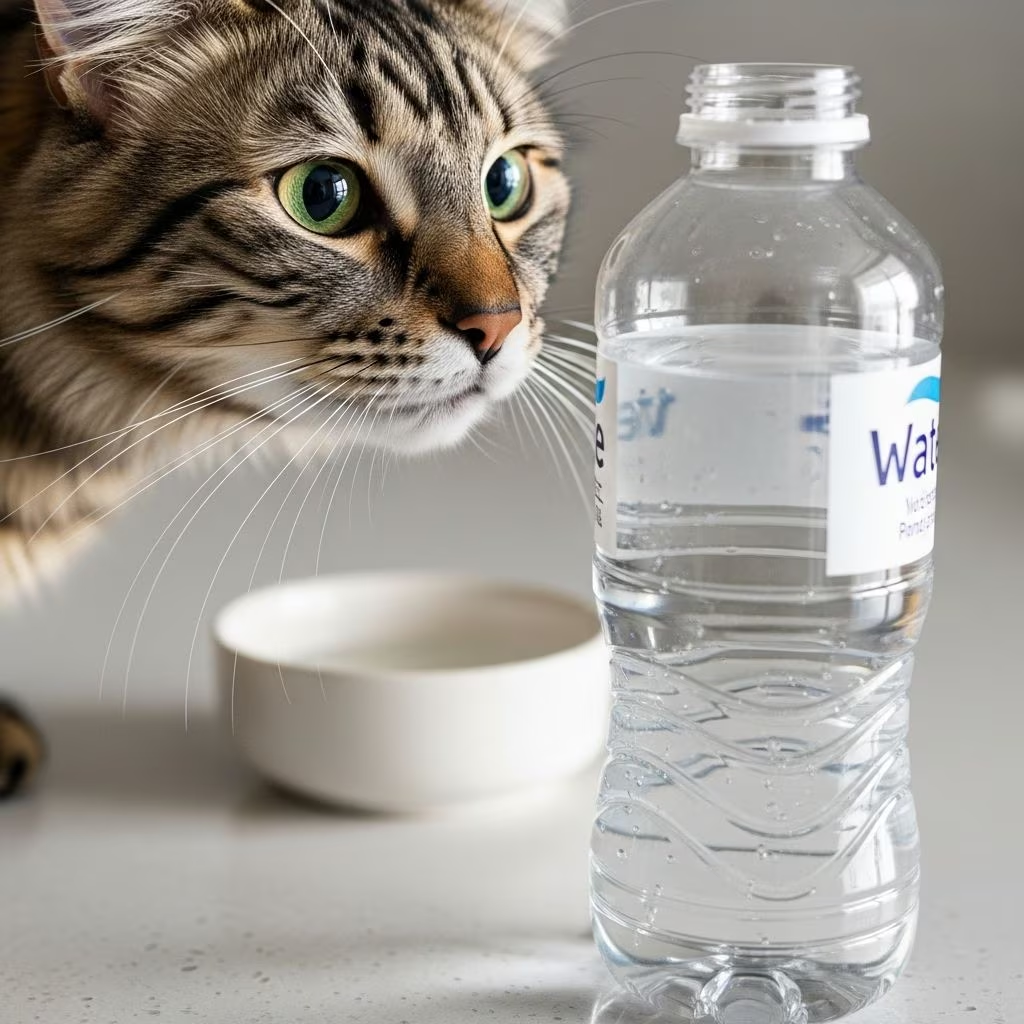
Cats can safely drink high-quality bottled water, but it’s not always the optimal choice for daily hydration. While bottled water serves as a convenient option during travel or emergencies, filtered tap water is generally recommended by experts for its balance of safety, cost-effectiveness, and mineral content beneficial to feline health.
Quick Answer: Can Cats Drink Bottled Water?
Yes, cats can drink bottled water without immediate harm, provided it is fresh and from a reputable source. However, routine use may introduce risks like BPA leaching from plastic bottles, and it lacks the natural minerals found in some tap or spring water varieties. Opt for spring or filtered bottled water over distilled or flavored types to minimize issues.
What Is the Best Water for Cats?
The consensus among veterinary sources is that filtered tap water is the best daily option for most cats. It removes common impurities like chlorine while retaining essential minerals such as calcium and magnesium, which support bone health and hydration in felines.
- Filtered Tap Water: Affordable, accessible, and safe after passing through a basic pitcher or faucet filter. Cats often prefer it due to its fresh taste post-filtration.
- Spring Water (Bottled): Naturally mineral-rich and free from chemical treatments, making it a good occasional choice.
- Tap Water (Unfiltered): Generally safe in most municipal supplies, but check local water quality reports for contaminants like heavy metals or high fluoride.
Cats’ hydration needs stem from their desert ancestry, leading to low thirst drives. They require about 3-4 ounces of water per 5 pounds of body weight daily, more if on dry food. Encouraging intake prevents urinary issues and kidney strain common in cats.
Types of Bottled Water: Safe vs. Unsafe for Cats
Not all bottled waters are equal for feline consumption. Here’s a breakdown:
| Type | Safe for Cats? | Reasons/Notes |
|---|---|---|
| Spring Water | Yes | Naturally filtered, contains beneficial minerals like calcium; low risk of chemical additives. |
| Purified/Bottled Tap | Yes | Filtered for impurities; similar to home-filtered tap but check for BPA in packaging. |
| Distilled | Avoid Long-Term | Removes all minerals, potentially leading to deficiencies; okay in short-term emergencies. |
| Sparkling/Carbonated | No | Carbonation causes bloating, gas, and GI upset; not suitable for cats. |
| Flavored/Enhanced | No | Artificial sweeteners (e.g., xylitol) and additives are toxic to cats. |
Always verify the label for BPA-free packaging and avoid varieties with added sodium or flavors.
Is Bottled Water Dangerous for Cats?
The primary concern with bottled water isn’t the water itself but potential contaminants from packaging. BPA (bisphenol A), a chemical in some plastics, can leach into the water, especially if bottles are exposed to heat or sunlight.
- BPA Risks: Linked to hyperthyroidism in cats (common endocrine disorder) via exposure from canned foods and plastics. Human studies associate it with increased blood pressure and diabetes risks, though FDA deems low levels safe.
- Other Concerns: Older bottles may harbor bacteria if not stored properly; plastic breakdown releases microplastics.
While research on cats is limited, circumstantial evidence urges caution. Choose glass or BPA-free plastic bottles when using bottled water.
Tap Water vs. Bottled Water for Cats: Pros and Cons
Choosing between tap and bottled involves weighing health, cost, and convenience. Most areas have safe tap water regulated by standards like the EPA.
| Factor | Tap Water | Bottled Water |
|---|---|---|
| Cost | Low (free after filter) | High (ongoing expense) |
| Safety | Regulated; filter removes chlorine/heavy metals | Varies by brand; BPA risk |
| Minerals | Present (unless hard water) | Often stripped in purified types |
| Environmental Impact | Minimal | High (plastic waste) |
| Convenience | Home use only | Portable for travel |
Tap Water Drawbacks: Chlorine taste deters picky cats; potential fluoride or lead in older pipes. Test your water quality via local reports or kits.
Bottled Pros: Purity in contaminated areas; appeals to finicky drinkers due to freshness.
Health Considerations: When Bottled Water Might Be Better
For healthy cats, filtered tap suffices. However, specific conditions warrant bottled or purified water:
- Kidney Disease/Chronic Kidney Issues: Low-mineral water reduces strain; studies link unfiltered tap (high fluoride) to higher CKD risk in cats.
- Urinary Tract Problems: Pure water prevents crystal formation.
- Sensitive Stomachs: Avoid chlorine; spring water may soothe.
Cats with hyperthyroidism or endocrine issues should minimize BPA exposure entirely. Consult a vet for tailored advice, especially seniors or those with pre-existing conditions.
Tips to Encourage Your Cat to Drink More Water
Cats often under-hydrate, raising risks for FLUTD (feline lower urinary tract disease). Boost intake with these strategies:
- Invest in a cat water fountain: Mimics running water, preferred instinctively for freshness.
- Multiple bowls around the house, cleaned daily.
- Fresh pours multiple times daily; room-temperature water.
- Mix wet food into diet (70-80% moisture).
- Ceramic/glass bowls over plastic (avoids BPA, scratches).
Monitor urine output: Pale, frequent urination indicates good hydration.
Why Does My Cat Prefer Bottled Water?
Your cat’s preference likely stems from novelty and freshness, not superior quality. Bottled water poured fresh mimics a “moving source,” enticing picky drinkers. Chlorine in tap fades appeal. Transition to filtered tap or a fountain for sustainability.
Frequently Asked Questions (FAQs)
What water is safest for cats?
Filtered tap water is safest and most recommended, balancing purity and minerals.
Can bottled water cause health issues in cats?
Potentially via BPA leaching, linked to hyperthyroidism; choose BPA-free options.
Is distilled water okay for cats?
Not for long-term use; lacks minerals essential for health.
How much water should my cat drink daily?
About 3-4 oz per 5 lbs of body weight; more on kibble-only diets.
Should I filter my cat’s tap water?
Yes, to remove chlorine and contaminants; simple pitchers work well.
Final Thoughts
Bottled water is a safe occasional treat or travel essential for cats, but prioritize filtered tap for everyday use. This approach ensures hydration without unnecessary costs or risks. Always prioritize fresh, clean water and observe your cat’s preferences and health.
References
- Can Cats Drink Bottled Water? — BetterPet. 2023. https://www.betterpet.com/learn/can-cats-drink-bottled-water
- Can Cats Drink Bottled Water? Vet-Reviewed Types — Catster. 2024-10-15. https://www.catster.com/nutrition/can-cats-drink-bottled-water/
- Should I Give My Cat Tap Water or Bottled Water? — UAH Pet. 2024. https://www.uahpet.com/blogs/post/should-i-give-my-cat-tap-water-or-bottled-water-a-comprehensive-guide
- Should I Give My Cat Bottled Water? — Your Cat Magazine. 2016. https://www.yourcat.co.uk/cat-advice/should-i-give-my-cat-bottled-water/
- Guidance on Bisphenol A (BPA) Use in Food Contact Applications — U.S. Food and Drug Administration (FDA). 2023-01-25. https://www.fda.gov/food/food-chemicals-other-substances/bisphenol-bpa



