

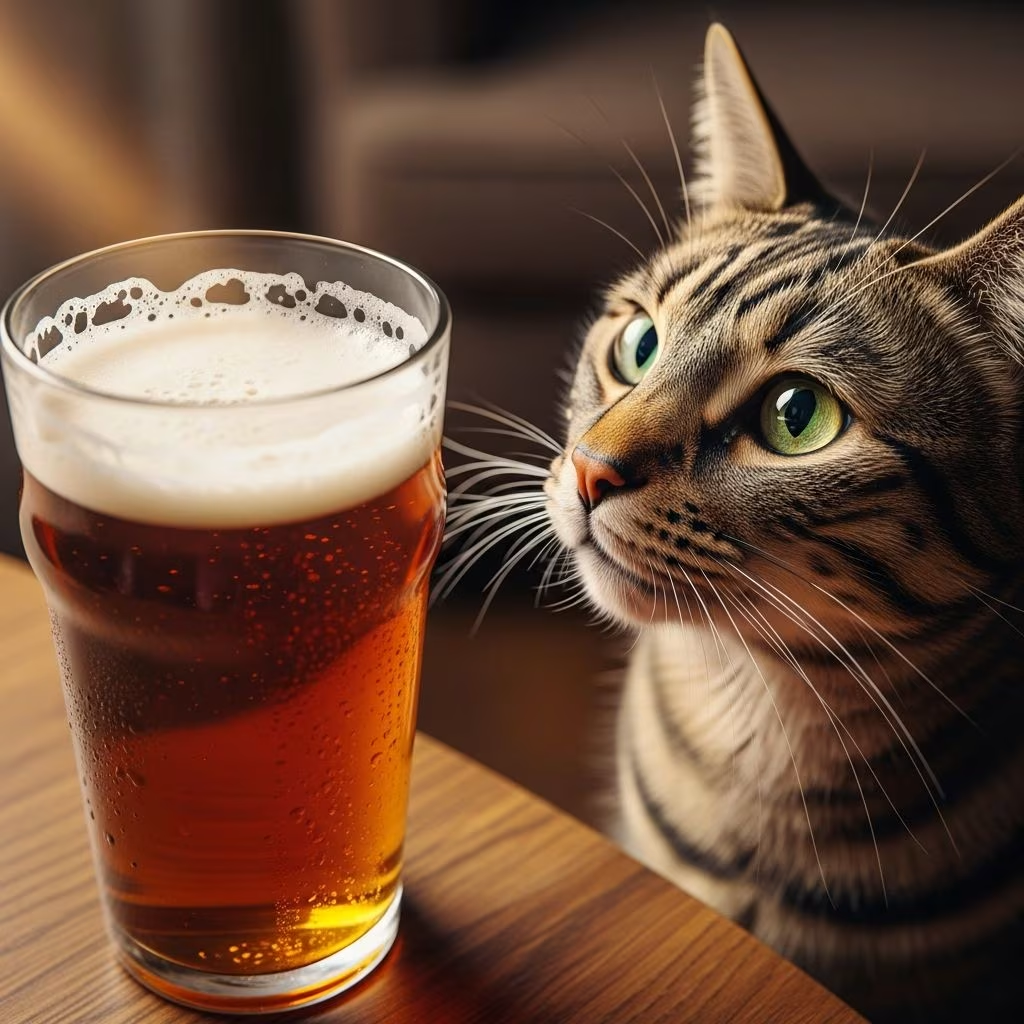
Beer may seem harmless during a casual evening, but it poses severe risks to cats due to its alcohol content. Even a small lick can lead to alcohol poisoning, which is potentially fatal for felines. This comprehensive guide explores why cats should never consume beer, the symptoms to watch for, immediate response steps, and proven prevention strategies to safeguard your pet.
Is Beer Safe for Cats?
No, beer is not safe for cats under any circumstances. Alcohol, primarily ethanol in beer, acts as a potent toxin that cats cannot metabolize effectively due to their smaller body size and lack of necessary enzymes. A mere teaspoon of alcohol—common in many beers with 4-6% ABV—can trigger toxicity.
The danger varies by beer’s alcohol by volume (ABV) percentage and the cat’s size, weight, and metabolism. Lighter beers might seem less risky, but no amount is safe. Cats’ livers and kidneys struggle to process ethanol, leading to rapid accumulation and organ overload.
Beyond ethanol, hops (*Humulus lupulus*) used in brewing add another layer of toxicity. While more commonly problematic in dogs, causing malignant hyperthermia—a life-threatening rise in body temperature—hops can induce vomiting, rapid breathing, increased heart rate, anxiety, and clotting issues in cats. If brewing at home, secure all ingredients immediately.
Other alcohol sources mimic beer’s risks, including wine, spirits, mouthwashes, hand sanitizers, and fermented foods. Cats exposed to methanol or isopropanol (found in some cleaners and rubs) face even graver outcomes, with higher mortality rates.
What Does Alcohol Poisoning in Cats Look Like?
Alcohol poisoning manifests quickly, often within 30 minutes of ingestion, though symptoms can appear sooner. Early detection is critical as the condition escalates rapidly to life-threatening stages. Watch for these hallmark signs:
- Drooling: Excessive saliva production due to irritation and neurological effects.
- Lethargy: Unusual tiredness or depression as the central nervous system depresses.
- Lack of coordination: Stumbling, ataxia, or disorientation, resembling drunkenness.
- Vomiting or retching: Gastrointestinal distress from toxin irritation.
- Weakness or collapse: Profound hypotonia leading to inability to stand.
- Muscle spasms or tremors: Involuntary contractions from neurological disruption.
- Low blood sugar (hypoglycemia): Dangerous drops causing further weakness.
- Low blood pressure: Leading to shock and organ failure.
- Low body temperature (hypothermia): Inability to regulate heat.
- Difficulty breathing: Respiratory depression or distress.
- Seizures: Severe convulsions in advanced stages.
- Coma or death: Untreated cases progress to unconsciousness and fatality.
Symptoms intensify based on dose and alcohol type. Ethanol causes milder initial signs than isopropanol, but all demand urgent care. Kittens and small cats are at highest risk due to lower body weight.
My Cat Just Drank Some Alcohol. What Should I Do?
Act immediately—do not wait for symptoms. Alcohol’s fast action means delays can be fatal. Follow these steps:
- Remove access: Safely separate your cat from the alcohol source without risking further exposure.
- Contact professionals: Call your veterinarian, an emergency clinic, or a pet poison hotline like Pet Poison Helpline (888-426-4435) right away. Provide details: alcohol type, amount estimated, time ingested, cat’s weight, and symptoms.
- Seek emergency vet care: Rush to the nearest animal hospital. Do not induce vomiting unless instructed, as it can worsen aspiration risks.
- Follow vet guidance: Treatment may include activated charcoal to bind toxins, IV fluids for hydration and blood pressure support, medications for seizures or hypoglycemia, and monitoring for complications like hypothermia or acidosis.
Prognosis improves with prompt intervention. Even small ingestions warrant evaluation, as hidden effects like liver strain may linger.
How Can I Prevent My Cat From Drinking Beer?
Prevention is straightforward and revolves around vigilance and secure storage. Cats rarely seek beer voluntarily, but curiosity or spills invite trouble.
- Store securely: Keep all alcoholic beverages in cabinets or refrigerators beyond paw reach. Avoid counters where cats knock items off.
- Supervise open containers: Never leave glasses, bottles, or cans unattended. Cats may sip or bat them over.
- Clean spills promptly: Wipe floors immediately to eliminate temptation.
- Avoid alcohol in food: Cooking with beer doesn’t fully evaporate alcohol—residual amounts remain in stews, sauces, or desserts. Never share these dishes.
- Secure household products: Lock away mouthwashes, hand sanitizers, vanilla extracts, and cleaners containing alcohol.
For homes with frequent gatherings, designate pet-free zones during parties. Educate guests about risks. Outdoor cats face added exposure from fermented fruits or garbage—keep them indoors.
Other Hidden Alcohol Dangers for Cats
Beyond beer, everyday items pose threats. Here’s a breakdown:
| Source | Risk Level | Examples |
|---|---|---|
| Alcoholic Beverages | High | Beer, wine, liquor |
| Household Products | High | Mouthwash, hand sanitizer, aftershave |
| Food Items | Medium | Uncooked yeast dough, fermented fruits, alcohol-infused recipes |
| Health/Beauty | High | Rubbing alcohol, perfumes, pet ‘stress relief’ sprays |
| Automotive | Medium | Windshield washer fluid (methanol) |
Yeast dough is particularly insidious: it expands in the stomach, risking bloat or volvulus—a surgical emergency.
Long-Term Effects of Alcohol Exposure in Cats
Even recovery from acute poisoning doesn’t guarantee full health. Repeated or significant exposure can cause chronic liver damage, kidney impairment, neurological deficits like persistent tremors, and increased cancer susceptibility. Prevention averts these irreversible issues.
Frequently Asked Questions (FAQs)
What happens if my cat licks beer?
Even a lick can cause poisoning due to concentrated alcohol. Monitor closely and contact a vet immediately.
How much beer is toxic to cats?
No safe amount exists; as little as 1 teaspoon of pure alcohol (less than a swig of beer) suffices for toxicity.
Can cats get drunk like humans?
No—cats lack tolerance, leading straight to poisoning rather than intoxication.
Is non-alcoholic beer safe?
Often not; many contain trace alcohol (up to 0.5%) plus hops. Treat as risky and keep away.
What if my cat ate food cooked with beer?
Alcohol partially remains; avoid sharing and watch for symptoms.
So, What’s the Verdict? Is Beer Safe for Cats?
Absolutely not—beer and all alcohol are strictly off-limits for cats. The risks far outweigh any curiosity, with poisoning striking fast and hard. By storing securely, supervising, and staying informed, you ensure your feline friend’s safety. Prioritize prevention for a healthy, happy cat.
References
- Can Cats Drink Beer? Our Vet Explains — Catster. 2023. https://www.catster.com/ask-the-vet/can-cats-drink-beer/
- Can Cats Drink Alcohol — Pet Poison Helpline. 2024. https://www.petpoisonhelpline.com/pet-tips/can-cats-drink-alcohol/
- Cat Drinking Alcohol: The Hidden Dangers — UAH Pet. 2023. https://www.uahpet.com/blogs/post/cat-drinking-alcohol-the-hidden-dangers-and-what-you-need-to-know
- Is Alcohol Dangerous to Pets? — Green Dog Dental. 2023. https://www.greendogdental.com/services/cats/blog/alcohol-dangerous-pets
- Alcohol Poisoning in Cats — Vetster. 2024. https://vetster.com/en/conditions/cat/alcohol-poisoning



