

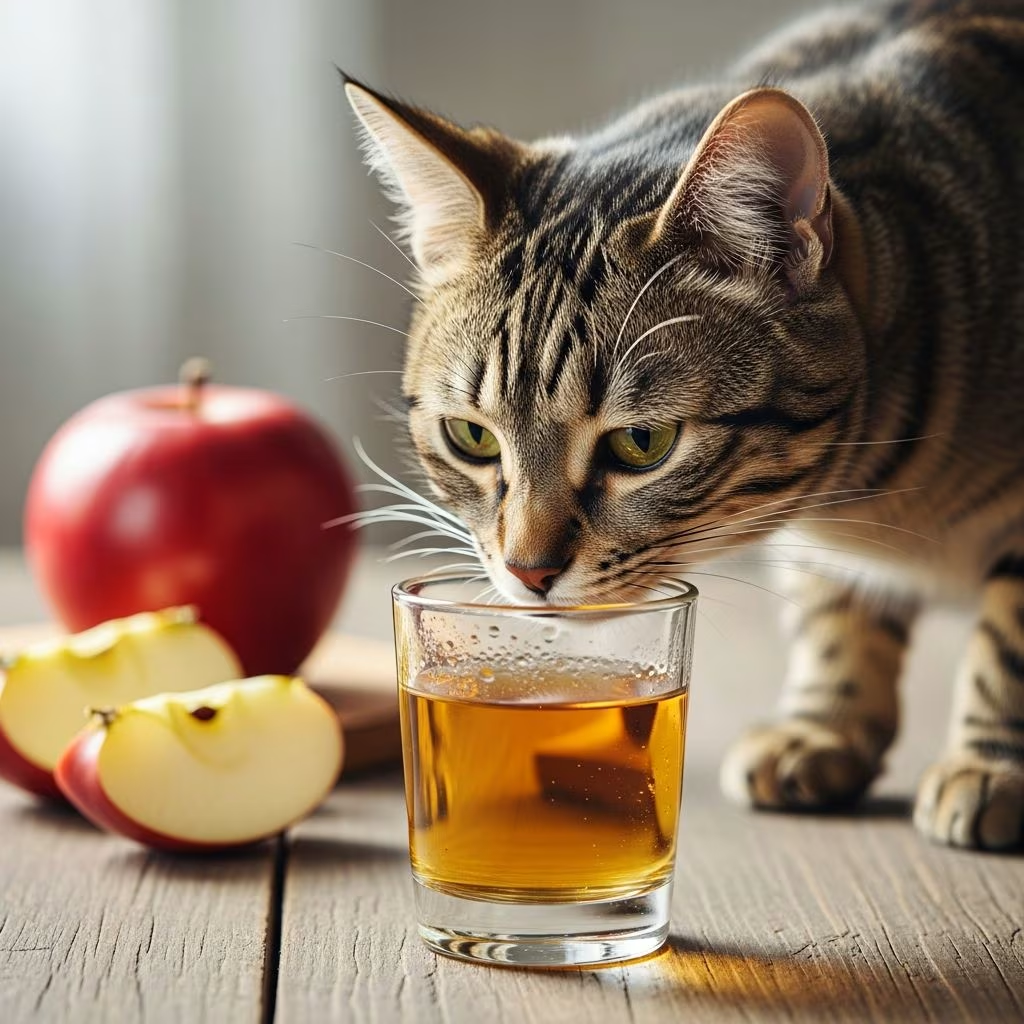
Apple juice is a popular, refreshing drink for humans, packed with vitamins and natural sweetness. But when it comes to our feline companions, the question arises: can cats drink apple juice? The short answer is that while small amounts of pure, homemade apple juice are unlikely to cause immediate harm, it’s generally not recommended as part of a cat’s diet. Cats are obligate carnivores, meaning their nutritional needs are met primarily through animal-based proteins, not fruits or juices. Store-bought varieties often contain added sugars, preservatives, and chemicals that can pose health risks. This comprehensive guide explores the safety, benefits, potential dangers, and alternatives to keep your cat healthy and happy.
Quick Answer: Can Cats Drink Apple Juice?
In moderation and only if it’s 100% natural homemade apple juice without additives, a tiny sip (like a teaspoon) might not harm most healthy cats. However, commercial apple juice is a no-go due to high sugar content, preservatives, and lack of nutritional necessity for felines. Veterinary experts emphasize that water remains the best and only essential beverage for cats.
- Homemade, pure apple juice: Small amounts occasionally safe but unnecessary.
- Store-bought apple juice: Avoid entirely—high in sugars and additives harmful to cats.
- Frequency: Not for regular consumption; limit to rare treats if at all.
The Nutritional Profile of Apple Juice and Cats’ Needs
Cats have unique dietary requirements as obligate carnivores. They derive essential nutrients like taurine, arachidonic acid, and vitamin A from meat, not plant matter. Apple juice, derived from apples, offers fiber, vitamins (C, A, K), antioxidants, and some iron in fortified versions for humans. However, cats produce their own vitamin C in the liver, making supplementation redundant.
Apples themselves contain about 95% water, 10-15% carbohydrates (mostly sugars like fructose), and minimal protein or fat—nutrients cats crave. Excess plant sugars can disrupt their carnivorous metabolism, leading to imbalances.
| Nutrient | Apple Juice (per 100ml) | Cat’s Daily Need Relevance |
|---|---|---|
| Sugar (Fructose) | ~10g | High; risks obesity/diabetes in cats |
| Vitamin C | ~1-2mg | Unnecessary; cats synthesize it |
| Fiber | ~0.2g | Can cause GI upset if excessive |
| Protein | <0.1g | Insufficient for carnivores |
This table highlights why apple juice doesn’t align with feline nutrition. Sources like Purina and Basepaws stress sticking to cat-specific foods.
Are There Any Benefits of Apple Juice for Cats?
Potential upsides are minimal and unproven for cats. Dr. Lauren Demos, a veterinarian, notes no established benefits, as cats rarely show interest due to lacking sweet taste receptors.
- Vitamin C boost: Supports immunity theoretically, but cats self-produce ample amounts.
- Hydration: High water content could aid mild dehydration, though plain water is superior.
- Antioxidants and fiber: May aid digestion in tiny doses, but excess fiber risks diarrhea.
- Iron (fortified juices): Aids red blood cell production, beneficial for anemic cats—but vet-monitored only.
Overall, these perks don’t outweigh risks, and balanced cat food provides superior nutrition.
The Possible Problems Apple Juice Poses to Cats
While not outright toxic like chocolate or grapes, apple juice carries several risks, especially in excess or with additives.
High Sugar Content
Even natural apple juice has natural sugars (10g+ per 100ml), leading to obesity, diabetes, dental issues, and heart disease in cats. Regular intake spikes blood sugar, problematic for diabetic or overweight felines.
Additives and Preservatives in Commercial Juice
Store-bought options include sugars, artificial flavors, colors, and preservatives toxic to cats. Xylitol or other sweeteners, if present, can cause hypoglycemia, seizures, or liver failure.
Acidity and Gastrointestinal Distress
Apple juice’s acidity (pH ~3.5) irritates stomachs, causing vomiting, diarrhea, or upset—worse with fiber overload.
Cyanide Risk from Apple Parts
Though juice lacks seeds, related apple consumption risks cyanide from seeds/stems/leaves, causing poisoning in large amounts.
Other Concerns
- Obesity and related conditions (arthritis, diabetes).
- No protein; displaces vital meat nutrients.
- Allergies or sensitivities in some cats.
Sources unanimously warn against routine use.
Do Cats Need Apple Juice as a Regular Part of Their Diet?
No. Cats thrive on water and complete cat food/kibble. Apple juice offers no essential nutrients and can disrupt health. Occasional tiny amounts (1-2 tsp homemade) won’t harm most cats, but it’s unnecessary. Cats can’t taste sweetness, so appeal is low.
Vets recommend against it, prioritizing carnivore-appropriate diets.
How to Safely Offer Apple Juice to Cats (If You Must)
If insisting on trying:
- Use only homemade: Pure, fresh apples juiced without seeds/skins/additives.
- Portion control: 1 tsp max, once a week.
- Dilute: Mix 1:3 with water.
- Monitor: Watch for vomiting, diarrhea, lethargy—stop and call vet if seen.
- Avoid if: Cat has diabetes, obesity, GI issues, or kidney disease.
Always consult a vet first.
Are There Better Treat Options for Cats?
Yes—focus on protein-rich, cat-safe alternatives comprising <10% of diet.
- Cooked, unseasoned meats: Chicken, turkey, beef, fish (no bones/skin).
- Cooked eggs: Scrambled or boiled, plain.
- Bone broth: Low-sodium, no onion/garlic.
- Commercial cat treats: Vet-approved, low-calorie.
- Cat-safe veggies: Tiny bits of cooked carrot/pumpkin for fiber.
These satisfy instincts without risks.
Apples vs. Apple Juice for Cats
| Aspect | Apple Flesh (Small Piece) | Apple Juice |
|---|---|---|
| Safety | Generally safe if seedless | Riskier due to concentration |
| Sugar | Moderate | High |
| Fiber | Beneficial in tiny amounts | Lost in juicing |
| Recommendation | Occasional treat | Avoid |
Flesh is preferable to juice but still not essential.
Frequently Asked Questions (FAQs)
Is apple juice toxic to cats?
No, not directly toxic, but sugars/additives can cause health issues. Stick to water.
Can kittens drink apple juice?
Absolutely not—kittens need kitten formula/milk replacer. Juices risk diarrhea.
What if my cat drank apple juice accidentally?
Small amount: Monitor for upset. Large/store-bought: Contact vet immediately.
Is homemade apple juice okay for cats?
Tiny amounts yes, but unnecessary and sugary. Better alternatives exist.
Does apple juice help with cat constipation?
No evidence; plain pumpkin is safer. Consult vet.
Summary
Apple juice isn’t ideal for cats—high sugar, additives, and irrelevance to their carnivorous diet make it risky. Opt for water, quality food, and protein treats. If in doubt, ask your vet for personalized advice to ensure your cat’s longevity and vitality.
References
- Can Cats Eat Apples? – Basepaws — Basepaws. 2023. https://basepaws.com/blog/can-cats-eat-apples
- Can Cats Eat Apples? | Is This Fruit Safe for Your Cat? – Feline Fancy — Feline Fancy. 2024. https://felinefancy.co.uk/blogs/cat-care-tips/can-cats-eat-apples
- Can Cats Drink Apple Juice? Vet Approved Facts & Safety Guide — Hepper. 2024. https://articles.hepper.com/can-cats-drink-apple-juice/
- Can Cats Drink Fruit Juice? The Answer Might Surprise You – Waggle — Waggle. 2023. https://mywaggle.com/blogs/pet-food/can-cats-drink-fruit-juice-unveiling-the-facts-and-myths
- Can Cats Eat Apples? Here’s Everything You Need to Know — Pawlicy Advisor. 2024. https://www.pawlicy.com/blog/can-cats-eat-apples/
- Can Cats Eat Apples? A Guide to Safety | Purina US — Purina. 2024. https://www.purina.com/articles/cat/feeding/can-cats-eat/apples



