

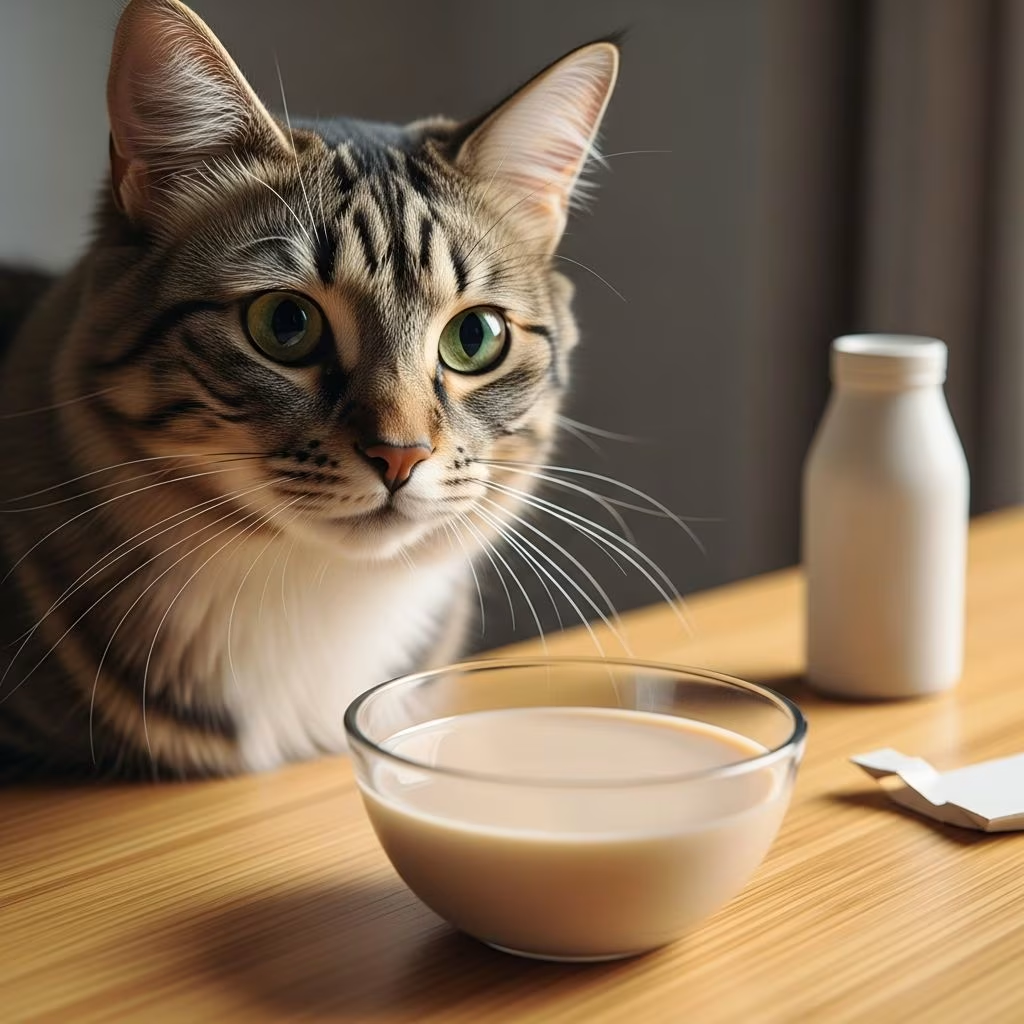
Almond milk is a popular dairy alternative for humans, but can cats drink it safely? The short answer is yes, in very small amounts, as it is not toxic to cats. However, it provides minimal nutritional value for felines and can lead to digestive upset or other issues if given regularly. Cats are obligate carnivores with specific dietary needs that plant-based milks like almond milk do not fulfill. This article explores the safety, benefits, risks, and alternatives to help you make informed choices for your cat’s health.
Why Do Cats Love Milk But Can’t Have It?
Cats are often depicted lapping up bowls of milk, but most adult cats are lactose intolerant. Kittens produce lactase, an enzyme that breaks down lactose in mother’s milk, but production drops after weaning. Dairy milk leads to symptoms like diarrhea, vomiting, and gas in lactose-intolerant cats, affecting about 65-75% of adults.
Almond milk appeals as a lactose-free option, mimicking the creamy texture cats crave without the lactose. However, it’s not a direct substitute for feline nutrition. Cats derive no essential benefits from it beyond a rare treat, and overindulgence can still cause problems due to its ingredients and calorie content.
Is Almond Milk Safe for Cats?
Almond milk is generally safe for cats in tiny quantities—no more than a teaspoon occasionally—because it lacks lactose and almonds themselves are non-toxic. Veterinary sources confirm it’s safer than cow’s milk for lactose-intolerant cats. Unsweetened, plain varieties are best, as flavored or sweetened versions contain additives like sugar or thickeners that may irritate a cat’s stomach.
- Lactose-free advantage: Unlike dairy, it won’t trigger classic lactose intolerance symptoms in most cats.
- Low toxicity risk: Almonds don’t contain harmful compounds like cyanogenic glycosides found in some nuts.
- Caveats: Watch for individual reactions; some cats experience loose stools from the fiber or fats.
Monitor your cat for 24-48 hours after offering a small sip. If no issues arise, it can be an infrequent treat, but never a staple.
Nutritional Breakdown: Almond Milk vs. Cat Needs
Cats require a high-protein, moderate-fat diet with taurine, arachidonic acid, and other animal-derived nutrients. Almond milk falls short:
| Nutrient (per 1 cup unsweetened) | Almond Milk Amount | Cat Daily Needs (avg. adult) | Relevance for Cats |
|---|---|---|---|
| Protein | 1g | 20-30g+ | Insufficient; cats need animal protein for muscle health. |
| Fat | 2.5-3g | 5-10g (species-appropriate) | Plant fats not ideal; lacks essential fatty acids like arachidonic acid. |
| Calories | 30-60 | 200-300 total daily | High for a treat; risks obesity in sedentary cats. |
| Vitamin E | 7.5mg | Minimal need met by diet | Antioxidant benefit negligible in small doses. |
| Fiber | 0.5-1g | Nearly none | Excess can cause GI upset. |
Commercial almond milk often includes emulsifiers (gums), sweeteners, or preservatives absent from homemade versions. These additives provide no feline benefits and may harm sensitive guts. Homemade almond milk avoids this but still lacks cat-essential nutrients.
Potential Benefits of Almond Milk for Cats
While not nutritionally vital, almond milk offers minor perks as an occasional indulgence:
- Vitamin E boost: Supports skin and coat health with antioxidant properties, potentially aiding minor inflammation.
- Potassium and magnesium: Trace amounts may support muscle function and bowel regularity, though cat food provides ample.
- Low carbs, cholesterol-free: Won’t spike blood sugar; suitable for diabetic cats in micro-doses.
- Hydration alternative: Cats often drink little water; a flavored liquid might encourage intake if plain water fails.
These benefits are overstated—cats get them from balanced kibble or wet food. Almond milk shines more as a cow’s milk substitute for nostalgic treats without diarrhea risk.
Risks and Side Effects of Almond Milk for Cats
Despite safety, risks outweigh rewards for regular use:
- Digestive upset: Fiber and plant fats can cause diarrhea, bloating, or vomiting, especially in kittens, seniors, or cats with IBD.
- Caloric density: 30-60 calories per cup adds up quickly, promoting obesity in breeds like Maine Coons.
- Additives toxicity: Xylitol (rare but deadly), carrageenan, or gums irritate stomachs; always check labels.
- Allergies: Rare nut allergies manifest as itching, swelling, or lethargy.
- Nutrient imbalance: Displaces proper food, risking deficiencies in protein/taurine.
Senior cats or those with health issues face higher risks; consult a vet first.
Can Kittens Drink Almond Milk?
No—avoid almond milk for kittens. They need kitten-specific formula or mother’s milk until 8-12 weeks, rich in proteins, fats, and antibodies for growth. Almond milk’s fiber overloads their immature digestive systems, causing cramps or diarrhea. Post-weaning, transition to kitten food; treats only after 6 months.
Can Senior Cats or Those with Health Issues Have It?
Use extreme caution. Seniors often have sensitive digestion or kidney issues; extra calories strain overweight elders. Cats with diabetes benefit from low-sugar types, but GI-compromised felines (e.g., IBD) may react poorly. Veterinary approval is essential.
Almond Milk Alternatives for Cats
Better options mimic milk appeal without downsides:
- Cat milk (lactose-free): Formulated with reduced lactose, taurine; brands like Cat-Sip.
- Water broths: Tuna or chicken water (low-sodium) boosts hydration.
- Commercial treats: Milk-like licks with feline nutrients.
- Homemade dairy-free: Diluted goat milk (lower lactose) sparingly.
- Wet food toppers: Nutritional gravies encourage eating.
Prioritize AAFCO-approved cat food for 90%+ of diet.
How to Safely Offer Almond Milk to Your Cat
- Select unsweetened, plain almond milk—no flavors, sugars, or xylitol.
- Start with 1 tsp max; dilute if needed.
- Observe for 24-48 hours: vomiting, diarrhea, lethargy mean stop.
- Limit to once weekly or less.
- Consult vet for health-compromised cats.
Frequently Asked Questions (FAQs)
Is almond milk toxic to cats?
No, it’s non-toxic but not recommended regularly due to digestive and caloric risks.
How much almond milk can a cat have?
A teaspoon occasionally at most; more risks upset.
Is sweetened almond milk safe for cats?
No—sugars and additives like xylitol are harmful.
Can almond milk help a dehydrated cat?
Possibly as a flavored water alternative, but prioritize fresh water or vet advice.
What if my cat drank a lot of almond milk?
Watch for symptoms; contact vet if vomiting or diarrhea persists.
Conclusion
Almond milk isn’t poisonous for cats and serves as a better dairy alternative, but it’s no nutritional powerhouse. Reserve it for rare treats to avoid obesity, GI issues, or displacing vital cat food. Focus on species-appropriate nutrition: high-protein wet/kibble diets ensure health. When in doubt, ask your veterinarian—your cat’s well-being comes first.
References
- Can Cats Drink Almond Milk? Vet Approved Nutrition Facts — Catster. 2023-05-15. https://www.catster.com/nutrition/can-cats-drink-almond-milk/
- Can Cats Drink Almond Milk? — Cats.com. 2024-02-10. https://cats.com/can-cats-drink-almond-milk
- Can Cats Drink Milk? — Hill’s Pet Nutrition (vet-reviewed). 2023-11-20. https://www.hillspet.com/cat-care/nutrition-feeding/can-cats-drink-milk
- Nutritional Requirements of Cats — National Research Council (via NRC report). 2006 (authoritative standard). https://nap.nationalacademies.org/catalog/11616/nutrient-requirements-of-dogs-and-cats
- Lactose Intolerance in Cats — Merck Veterinary Manual. 2024-01-05. https://www.merckvetmanual.com/cat-owners/disorders-affecting-multiple-body-systems-of-cats/lactose-intolerance-in-cats



