

Can Cats Drink Almond Milk? A Comprehensive Vet-Approved Guide
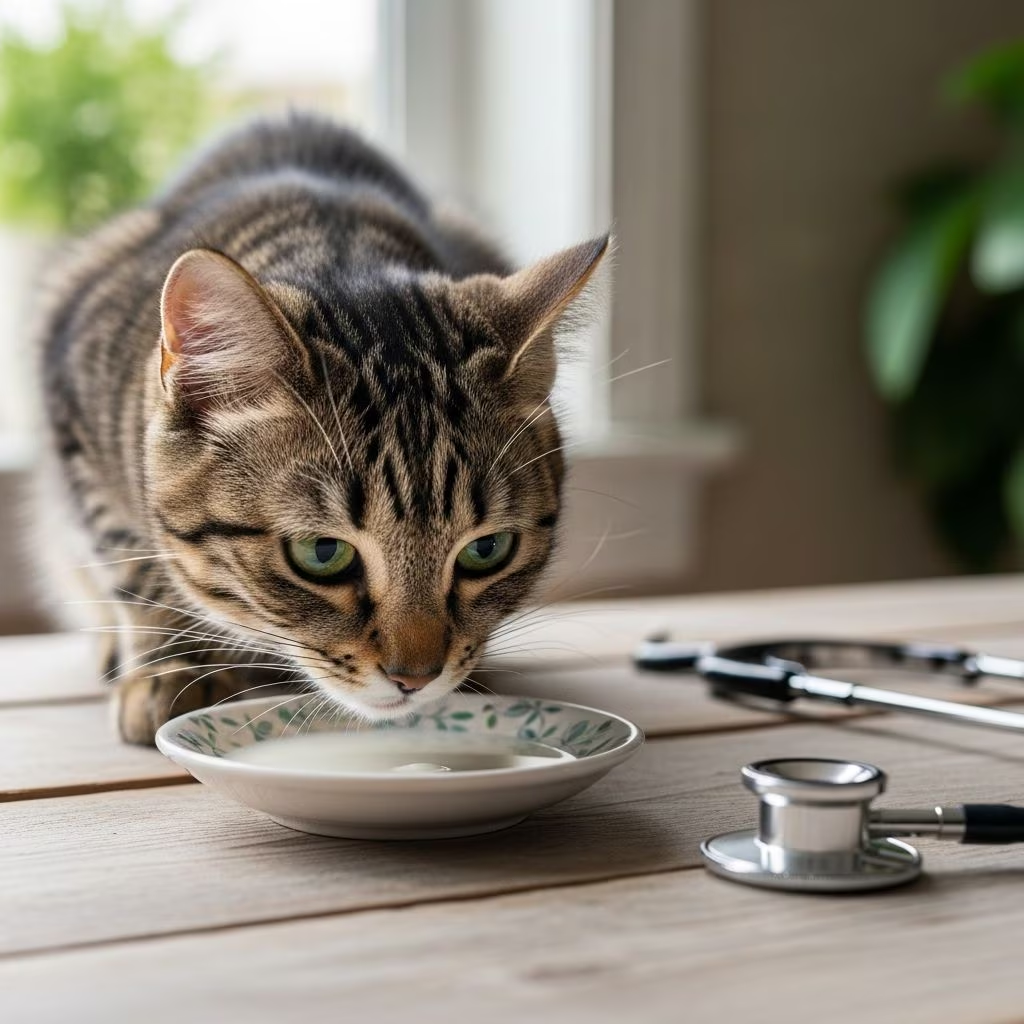
The question of whether cats can drink almond milk is one many pet owners ask, especially when they see their feline friends showing interest in their morning beverages. The straightforward answer is that almond milk is not toxic to cats, making it technically safe in small quantities. However, safety and nutritional benefit are two different things entirely. While almond milk won’t poison your cat, it offers little in terms of health advantages and may cause digestive issues if consumed regularly or in large amounts.
Is Almond Milk Safe for Cats?
Almond milk presents itself as a safer alternative to traditional cow’s milk for feline companions. Most cats are naturally lactose intolerant, lacking sufficient lactase enzymes to properly digest dairy milk. This lactose intolerance can lead to uncomfortable digestive symptoms including vomiting, diarrhea, and abdominal discomfort. Since almond milk is naturally lactose-free, it sidesteps this primary concern associated with regular dairy products.
However, the fact that almond milk is safe doesn’t mean it should become a regular part of your cat’s diet. Even though it won’t cause immediate harm from a single sip, some cats may still develop digestive upset after consuming almond milk. Pet owners should monitor their cats for 24 to 48 hours after introducing almond milk to watch for any adverse reactions. If your cat shows signs of stomach distress, it’s best to avoid offering almond milk altogether.
Nutritional Profile of Almond Milk
Understanding what’s in almond milk is essential for making informed decisions about your cat’s diet. A single cup of almond milk typically contains:
- 30 to 60 calories (significantly higher than most cats’ daily snack allowance)
- Approximately 1 gram of protein
- About 3 grams of fat per cup
- Nearly 4 grams of fiber
- Vitamin E and other vitamins added by manufacturers
While these numbers might seem reasonable for human consumption, they present several problems for feline nutrition. Cats require more than 50% protein in their diet to maintain optimal health and energy levels. The single gram of plant-based protein found in almond milk is woefully insufficient for meeting your cat’s nutritional needs. Additionally, the fat content may exceed what cats need, and the fiber content can be problematic, especially for kittens whose digestive systems are still developing.
Are There Any Benefits of Giving Almond Milk to Cats?
Despite the numerous drawbacks, almond milk does offer a few potential benefits when offered in strict moderation. The primary advantage lies in its lactose-free nature, making it a suitable substitute for cats that enjoy milk but cannot digest dairy products. For cats who crave the experience of drinking milk without the lactose intolerance symptoms, almond milk serves as a compromise solution.
Vitamin E Content: Almond milk naturally contains vitamin E, an essential antioxidant that supports healthy skin and coat condition. In humans, vitamin E is well-known for its anti-inflammatory properties, which can help with skin conditions like eczema. While cats do get vitamin E from their regular diet, a modest amount from almond milk won’t hurt.
Additional Micronutrients: Many commercial almond milk brands fortify their products with calcium and vitamin D to make them more comparable to cow’s milk nutritionally. Some varieties also contain potassium, which aids in cellular function, and magnesium, which supports bowel movements and urinary health. However, these benefits only apply if you’re offering store-bought almond milk, as homemade versions lack these added nutrients.
It’s crucial to understand that despite these potential positives, your cat receives all necessary nutrients from a balanced, high-quality feline diet. Almond milk provides no unique health benefits that your cat isn’t already obtaining from their regular meals.
Potential Health Risks and Side Effects
While almond milk is not toxic, it carries several health risks that pet owners should carefully consider before offering it to their cats.
Digestive Issues
The most common concern with almond milk is its potential to cause gastrointestinal distress. Some cats possess sensitive digestive systems that react negatively to plant-based beverages. Symptoms may include:
- Vomiting
- Diarrhea
- Flatulence
- Abdominal cramping or discomfort
Kittens and senior cats are particularly susceptible to stomach problems from almond milk, though healthy adult cats can also experience these issues. The high fiber content—approximately 4 grams per cup—is especially problematic for developing kittens whose digestive tracts are not yet equipped to handle plant-based materials.
Obesity Concerns
One cup of almond milk contains between 30 and 60 calories, which represents a substantial portion of most cats’ daily caloric allowance. Regular consumption of almond milk can contribute significantly to weight gain, particularly in elderly cats or breeds predisposed to obesity such as Maine Coons and Ragdolls. Since almond milk offers minimal nutritional value, these are essentially empty calories that increase obesity risk without providing health benefits.
Artificial Additives
Store-bought almond milk frequently contains artificial sweeteners, preservatives, and other substances that have no place in your cat’s diet. Some almond milk varieties include sweeteners like xylitol, which is toxic to both cats and dogs. Even unsweetened commercial varieties may contain additives and thickening agents that could upset your cat’s stomach or contribute to long-term health issues.
Inadequate Nutritional Profile
Almond milk and other plant-based products have an inadequate fat-to-protein ratio for feline nutritional requirements. Cats are obligate carnivores, meaning their digestive tracts are designed to process meat-based proteins and fats, not plant material. The protein deficiency in almond milk and the carbohydrate content make it fundamentally unsuitable as anything beyond an occasional treat.
Special Considerations for Kittens
Kittens require extra caution when considering any dietary additions outside their formulated kitten food. During this critical early life stage, proper nutrition is absolutely vital for growth and development. Almond milk and other plant-based products can seriously harm a kitten’s sensitive stomach and developing digestive system.
One cup of almond milk contains almost four grams of fiber—equivalent to two wild strawberries—which is far too much for young cats. Even a tiny sip can trigger cramping, diarrhea, and general discomfort in kittens. Furthermore, the empty calories from almond milk may discourage kittens from consuming adequate amounts of their nutritionally complete kitten formula, potentially compromising their development during this crucial growth period.
How Much Almond Milk Can Cats Have?
If you decide to offer almond milk to your adult cat despite the aforementioned concerns, moderation is absolutely essential. The general guideline is that almond milk should be limited to a small sip—essentially a taste rather than a full serving. This quantity is unlikely to cause significant harm to healthy adult cats while allowing them to experience the novelty of the beverage if they show interest.
Any almond milk offered to your cat should be unsweetened to avoid unnecessary sugar consumption and artificial sweeteners. Commercial almond milk with added sweeteners should never be given to cats. Additionally, lactose-free milk alternatives or unsweetened almond milk are preferable to regular cow’s milk, though they should still be offered sparingly.
Signs Your Cat Has Had Too Much Almond Milk
Monitor your cat carefully for 24 to 48 hours after any almond milk consumption. If you notice any of the following symptoms, discontinue almond milk immediately and consult your veterinarian:
- Vomiting or retching
- Diarrhea or loose stools
- Constipation
- Abdominal bloating or distension
- Excessive gas or flatulence
- Loss of appetite
- Lethargy or unusual behavior
If your cat has chronic digestive issues, inflammatory bowel disease, or a history of food sensitivities, almond milk should be avoided entirely. Cats with existing gastrointestinal problems are more vulnerable to complications from plant-based beverages.
Almond Milk vs. Other Milk Alternatives
When considering milk alternatives for your cat, several options exist, each with different implications for feline health:
Lactose-Free Milk: While lactose-free cow’s milk eliminates the primary concern of lactose intolerance, it is typically high in sugar and calories, making it appropriate only for occasional treats.
Oat Milk: Similar to almond milk, oat milk is lactose-free but offers limited nutritional benefit to cats and may cause digestive upset in sensitive individuals.
Coconut Milk: Though sometimes recommended, coconut milk is high in fat and calories and should be avoided or given only in trace amounts.
Regular Cow’s Milk: Most cats cannot properly digest regular dairy milk due to lactose intolerance, making it unsuitable for feline consumption.
Comparison Table: Milk Alternatives for Cats
| Milk Type | Lactose-Free | Safety Level | Recommended Frequency |
|---|---|---|---|
| Almond Milk | Yes | Safe in moderation | Occasional treat only |
| Lactose-Free Milk | Yes | Safe in moderation | Rare occasion |
| Oat Milk | Yes | Safe in moderation | Occasional treat only |
| Cow’s Milk | No | Not recommended | Avoid completely |
| Coconut Milk | Yes | Not recommended | Avoid or trace amounts |
What Should You Feed Your Cat Instead?
Rather than offering almond milk or other questionable alternatives, focus on providing your cat with a nutritionally complete and balanced feline diet. High-quality cat food formulated by veterinary nutritionists contains all essential nutrients cats require in appropriate proportions. If you want to offer treats, consider:
- Small pieces of cooked chicken or turkey
- Specially formulated cat treats designed for feline nutrition
- Plain cooked fish (in moderation)
- Water—always the best beverage choice for cats
- Cat-specific bone broth (unsalted and without onions or garlic)
These options provide genuine nutritional value or simple hydration without the risks associated with almond milk and other plant-based alternatives.
Frequently Asked Questions
Q: Can kittens drink almond milk?
A: No, kittens should absolutely avoid almond milk. During early development, proper nutrition is critical, and almond milk provides no nutritional benefit while potentially causing digestive upset due to its high fiber content and inability to support feline nutritional requirements.
Q: What if my cat accidentally drinks almond milk?
A: Don’t panic. A small accidental sip of almond milk is unlikely to harm your cat. Monitor them for 24 to 48 hours for any signs of digestive upset, and contact your veterinarian if symptoms develop.
Q: Is store-bought almond milk safer than homemade?
A: Store-bought varieties fortified with calcium and vitamin D offer slightly more nutritional value than homemade versions. However, they often contain additives and sweeteners that make them less ideal. If offering almond milk, choose unsweetened commercial varieties without artificial additives.
Q: Can senior cats have almond milk?
A: Senior cats are more susceptible to digestive upset from almond milk and may already struggle with weight management. Almond milk should be avoided for elderly cats or given in only the smallest amounts if at all.
Q: Why do some cats seem to like almond milk?
A: Cats may be attracted to almond milk due to its smell or the novelty of a new beverage, not because it’s nutritionally appropriate for them. Just because a cat shows interest doesn’t mean it should be part of their regular diet.
Q: Is almond milk better than regular milk for cats?
A: Yes, almond milk is technically better than regular cow’s milk since it’s lactose-free and less likely to cause lactose intolerance symptoms. However, neither should be regular parts of a cat’s diet.
Conclusion
Although a small portion of almond milk will likely cause no immediate harm to healthy adult cats, it remains an unnecessary and potentially problematic addition to their diet. Almond milk provides minimal nutritional value that your cat isn’t already receiving from a proper feline diet. It is relatively high in calories, may cause digestive upset, and can contribute to obesity if consumed regularly. The presence of artificial sweeteners and additives in many commercial varieties adds further reason for caution.
Kittens should avoid almond milk entirely, and senior cats or those with existing digestive issues should also steer clear. If you insist on offering almond milk as an occasional treat, limit it to the smallest possible amount and carefully monitor your cat for any adverse reactions. Ultimately, focus on providing high-quality, nutritionally complete cat food and fresh water as the foundation of your cat’s diet, reserving any additional treats for options that actually benefit their health.
References
- Can Cats Drink Almond Milk? Vet Approved Nutrition Facts — Catster. 2024. https://www.catster.com/nutrition/can-cats-drink-almond-milk/
- Can Cats Drink Almond Milk? Explained in a Nutshell — Untamed. https://untamed.com/blogs/nutrition/can-cats-drink-almond-milk
- Can Cats Drink Almond Milk? — Cats.com. https://cats.com/can-cats-drink-almond-milk
- Can Cats Drink Milk? — Triangle Animal Clinic. https://triangleanimalclinic.com/blog/can-cats-drink-milk/
- Can Cats Drink Milk? — Hill’s Pet US. https://www.hillspet.com/cat-care/nutrition-feeding/can-cats-drink-milk



