

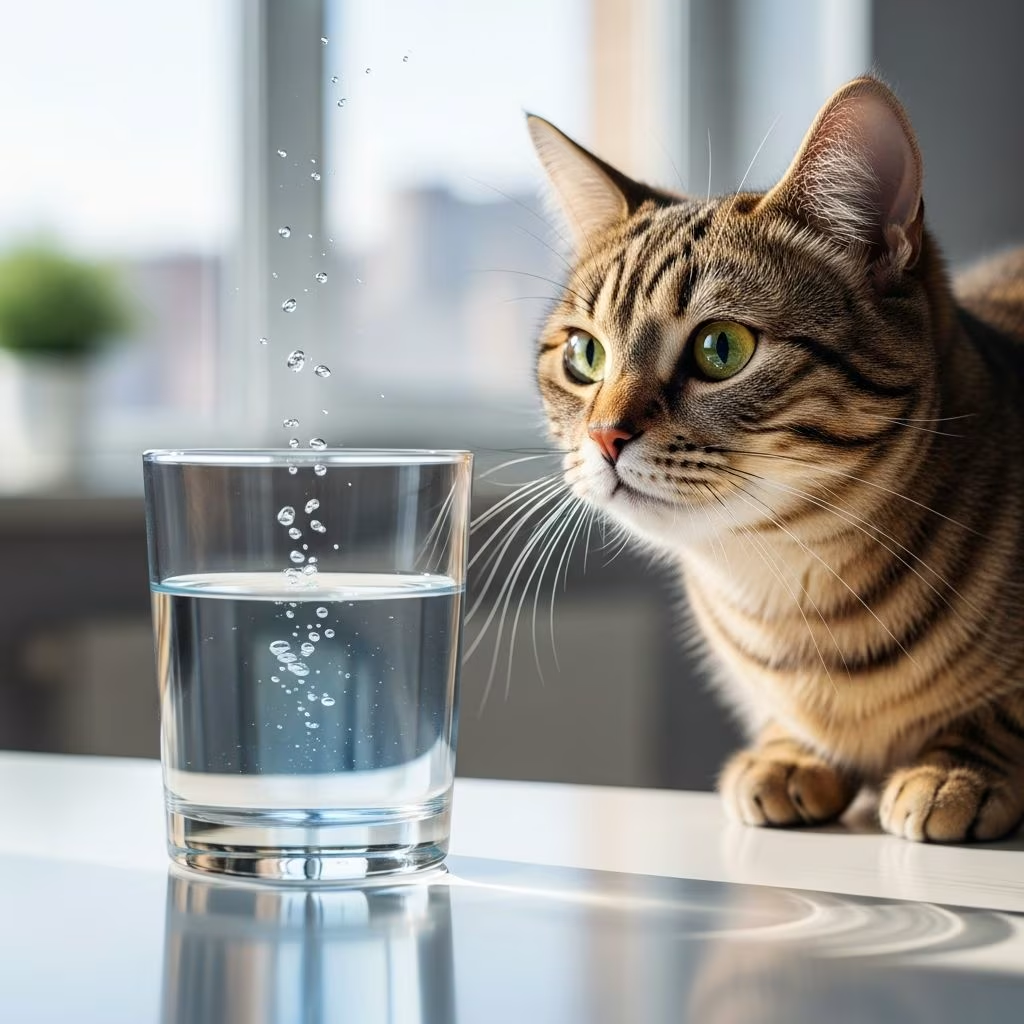
Can Cats Drink Alkaline Water? Understanding Feline Hydration Needs
Alkaline water has become increasingly popular among health-conscious humans, with proponents touting various wellness benefits. However, when it comes to our feline companions, the question of whether cats can safely consume alkaline water is far more complex. While cats can technically drink small amounts of alkaline water without immediate harm, providing it as a regular hydration source is not recommended by veterinary experts.
The fundamental issue lies in understanding the physiological differences between cats and humans. Cats have evolved with specific dietary and hydration requirements that differ significantly from their human counterparts. Their digestive systems, particularly their stomach acid balance, are calibrated to work optimally within a narrow pH range. Introducing alkaline water—which has a higher pH level than regular tap water—can disrupt this delicate balance and lead to various health complications.
What Is Alkaline Water and How Does It Differ From Regular Water?
Alkaline water is water that has been ionized or treated to increase its pH level, typically ranging between 8.0 and 9.0. In comparison, standard tap water usually has a pH of approximately 6.5 to 7.0. Some commercial alkaline waters, such as Smart Water with ionization, can reach pH levels as high as 9.5.
For humans, alkaline water is considered generally safe within the pH range of 6.5 to 9.5. However, cats have different requirements. The ideal pH level for feline drinking water is between 6.0 and 7.0, with 6.3 being considered optimal. This narrow range reflects cats’ evolutionary adaptation to consuming moisture from prey and fresh water sources that naturally maintain these pH levels.
The difference in pH preferences is crucial because it directly impacts how cats’ digestive systems function. When cats consume water significantly higher in pH, their bodies must work harder to maintain their internal pH balance, potentially leading to digestive distress and nutrient absorption issues.
What Happens if a Cat Drinks Alkaline Water?
Understanding the potential consequences of alkaline water consumption is essential for cat owners considering this water type for their pets. The impact depends largely on the frequency and quantity of consumption.
Small Amount Consumption
If your cat accidentally drinks a small amount of alkaline water, the likelihood of experiencing adverse effects is minimal. A single sip or small serving will not cause significant harm, as the cat’s natural digestive processes will gradually neutralize the effect. The body is resilient enough to handle occasional exposure without noticeable complications.
High-Volume or Regular Consumption
The real problems emerge when cats drink large quantities of alkaline water or consume it regularly as their primary water source. In these scenarios, several concerning health effects can develop:
- Digestive System Disruption: Alkaline water can significantly upset a cat’s digestive system. When consumed in substantial amounts, the high pH can neutralize the stomach acid that is essential for proper digestion and nutrient breakdown. This can lead to immediate symptoms such as stomach pain, discomfort, and diarrhea.
- Stomach Acid Interference: The moment a cat consumes alkaline water, their stomach acid becomes less acidic due to the higher pH. This means that food consumed during or shortly after alkaline water intake may not digest properly, reducing nutrient absorption efficiency.
- Long-Term Malnutrition: Over extended periods of consuming primarily alkaline water, cats may develop nutritional deficiencies. Their inability to digest food correctly prevents proper nutrient extraction, potentially leading to weight loss, weakness, and other health complications.
- Urinary Tract Concerns: Some evidence suggests that regular alkaline water consumption may contribute to bladder stone formation and urinary tract problems in cats, particularly those already predisposed to such conditions.
The positive news is that these issues are largely preventable through careful water management. As long as cats don’t drink exclusively alkaline water, their stomach acid will gradually return to its proper acidic state, allowing normal digestion to resume.
The pH Balance Problem: Why Cats Need Neutral Water
Cats’ bodies maintain a carefully balanced internal pH that is essential for proper metabolic function. When their drinking water deviates significantly from their optimal pH range, it creates a physiological challenge for their system.
The problem becomes particularly acute when a cat has no access to any other water source. In real-world scenarios where cats drink from multiple sources, they typically consume water with varying pH levels throughout the day. This natural variation allows their digestive system to maintain equilibrium. However, when owners exclusively provide alkaline water, this balancing mechanism breaks down completely.
The pH of the water directly influences the pH of the cat’s digestive fluids. When these fluids become less acidic due to alkaline water consumption, the cat’s ability to break down food efficiently is compromised. Additionally, substances outside the normal pH range can upset the digestive system and prevent proper nutrient absorption, leading to potential malnutrition and associated health problems.
Occasional Consumption Versus Regular Drinking
A critical distinction exists between occasional alkaline water consumption and making it a regular part of a cat’s diet. This distinction is important for understanding risk levels and making informed decisions about your cat’s hydration.
| Water Type | pH Level | Suitability for Cats | Frequency Recommendation |
|---|---|---|---|
| Standard Tap Water | 6.5-7.0 | Excellent | Daily/Primary source |
| Neutral Filtered Water | 7.0 | Excellent | Daily/Primary source |
| Smart Water (Ionized) | 9.5 | Poor | Occasional only (if any) |
| Alkaline Water | 8.0-9.0 | Not Recommended | Avoid as primary source |
Occasional alkaline water consumption is unlikely to cause significant harm to most cats. If your cat drinks alkaline water once in a while, the risk of serious complications is minimal. However, alkaline water should never become the main source of hydration for felines.
Regular consumption of alkaline water poses genuine health risks. Cats can become dehydrated within 24 hours if they don’t drink adequate water, so ensuring proper hydration with appropriate pH water is critical. Regular alkaline water consumption can cause cumulative digestive issues, making it a poor choice for daily hydration.
When Should You Avoid Giving Your Cat Alkaline Water?
Certain situations create heightened risk when it comes to alkaline water and cats. Understanding when to absolutely avoid alkaline water is essential for responsible pet ownership.
- After Meals: Never provide alkaline water immediately after your cat has eaten. The high pH can neutralize stomach acids needed for digestion, significantly disrupting the digestive process and potentially causing stomach upset and discomfort.
- For Cats on Medications: If your cat is taking any medications, consult your veterinarian before introducing alkaline water. The altered pH may affect how certain medications are absorbed and metabolized in your cat’s body.
- Cats with Pre-existing Health Conditions: Cats with digestive disorders, urinary tract issues, kidney disease, or other health conditions should not consume alkaline water without explicit veterinary approval. These conditions make cats more vulnerable to the negative effects of pH imbalance.
- Senior Cats: Older cats may have compromised digestive systems and are more sensitive to changes in water pH. Stick with neutral water for senior felines.
- Kittens: Young kittens have developing digestive systems and should only have access to water with appropriate pH levels.
Monitoring Your Cat’s Reaction to Alkaline Water
If you’ve already provided alkaline water to your cat or are considering doing so, careful monitoring is essential. Watch for any signs that your cat’s digestive system is being affected:
- Vomiting or retching
- Diarrhea or loose stools
- Constipation
- Loss of appetite
- Behavioral changes or lethargy
- Excessive thirst or changes in drinking patterns
- Straining during urination
- Changes in urine color or odor
If you notice any concerning symptoms after your cat consumes alkaline water, stop providing it immediately and contact your veterinarian. These signs may indicate digestive distress or other complications that require professional evaluation.
The Ideal Water Choice for Your Cat
The best water for your cat is plain, neutral water with a pH around 6.0 to 7.0. Standard tap water in most areas meets these requirements, though water quality varies by location. If you’re concerned about tap water quality, consider:
- Filtered Water: Standard water filters can improve taste and remove some contaminants while maintaining neutral pH.
- Distilled Water: Distilled water has a pH around 5.8-6.0, which is within the acceptable range for cats.
- Spring Water: Natural spring water typically has a pH between 6.5-7.5, making it suitable for feline consumption.
- Purified Water: Properly purified water can be appropriate, provided it maintains a neutral pH.
Avoid continuously changing your cat’s water source, as this can cause digestive upset. Consistency is important for maintaining your cat’s digestive health and encouraging adequate hydration.
Why Veterinary Consultation Is Essential
Before making any changes to your cat’s hydration routine, including introducing alkaline water, consulting with your veterinarian is critical. This is especially important if your cat has pre-existing health conditions, is taking medications, or if you’ve noticed any health concerns.
Your veterinarian can assess your individual cat’s needs and determine whether any special water considerations are necessary. In rare cases where a cat has certain health conditions causing excessive body acidity, a veterinarian might recommend specific water adjustments, but this would be a medically supervised decision rather than a general wellness recommendation.
Frequently Asked Questions
Q: Is alkaline water safe for cats to drink?
A: While cats can drink small amounts of alkaline water without immediate harm, it is not recommended as a primary water source. Regular consumption can upset their digestive system and interfere with proper nutrient absorption. Cats have evolved to thrive with neutral pH water (around 6.0-7.0), not alkaline water.
Q: What pH should water be for cats?
A: The ideal pH for feline drinking water is between 6.0 and 7.0, with 6.3 being optimal. This range matches cats’ natural hydration preferences and supports proper digestive function.
Q: Can alkaline water cause kidney stones in cats?
A: There is concern that regular alkaline water consumption may contribute to urinary tract problems and bladder stone formation in some cats. While not all cats will develop stones, those with a predisposition to urinary issues should avoid alkaline water entirely.
Q: What should I do if my cat accidentally drinks alkaline water?
A: A small accidental consumption of alkaline water is unlikely to cause harm. However, monitor your cat for signs of digestive upset such as vomiting, diarrhea, or behavioral changes. If symptoms develop or persist, contact your veterinarian.
Q: Are there any health benefits of alkaline water for cats?
A: While some proponents claim alkaline water offers health benefits for cats, there is limited scientific evidence supporting these claims. The potential risks to feline digestive health outweigh any theoretical benefits, making neutral water the safer choice.
Q: What’s the best water to give my cat?
A: Plain, neutral water is best for cats. Standard tap water in most areas is appropriate, or you can use filtered water, spring water, or distilled water—all of which typically maintain a neutral pH suitable for feline consumption.
References
- Should Cats Enjoy Alkaline Water Too? — Olympian Water Testing, LLC. 2024. https://olympianwatertesting.com/should-cats-enjoy-alkaline-water-too/
- Can Cats Drink Alkaline Water? Vet-Reviewed Nutritional Facts & FAQ — Catster. 2024. https://www.catster.com/cat-health-care/can-cats-drink-alkaline-water/
- Can Cats Drink Alkaline Water? — Seychelle. 2024. https://www.seychelle.com/blogs/news/can-cats-drink-alkaline-water
- Can Cats Drink Alkaline Water — Frizzlife. 2024. https://www.frizzlife.com/blogs/news/can-cats-drink-alkaline-water
- Why I Don’t Recommend Alkaline Water for Dogs and Cats — Bark and Whiskers. 2018. https://www.barkandwhiskers.com/2018-07-15-nl-is-alkaline-water-good-for-pets/
- The Complete Guide to Safe Drinking Water for Cats — Safe Home Test Kits. 2024. https://safehometestkits.com/2024/10/29/the-complete-guide-to-safe-drinking-water-for-cats/



