

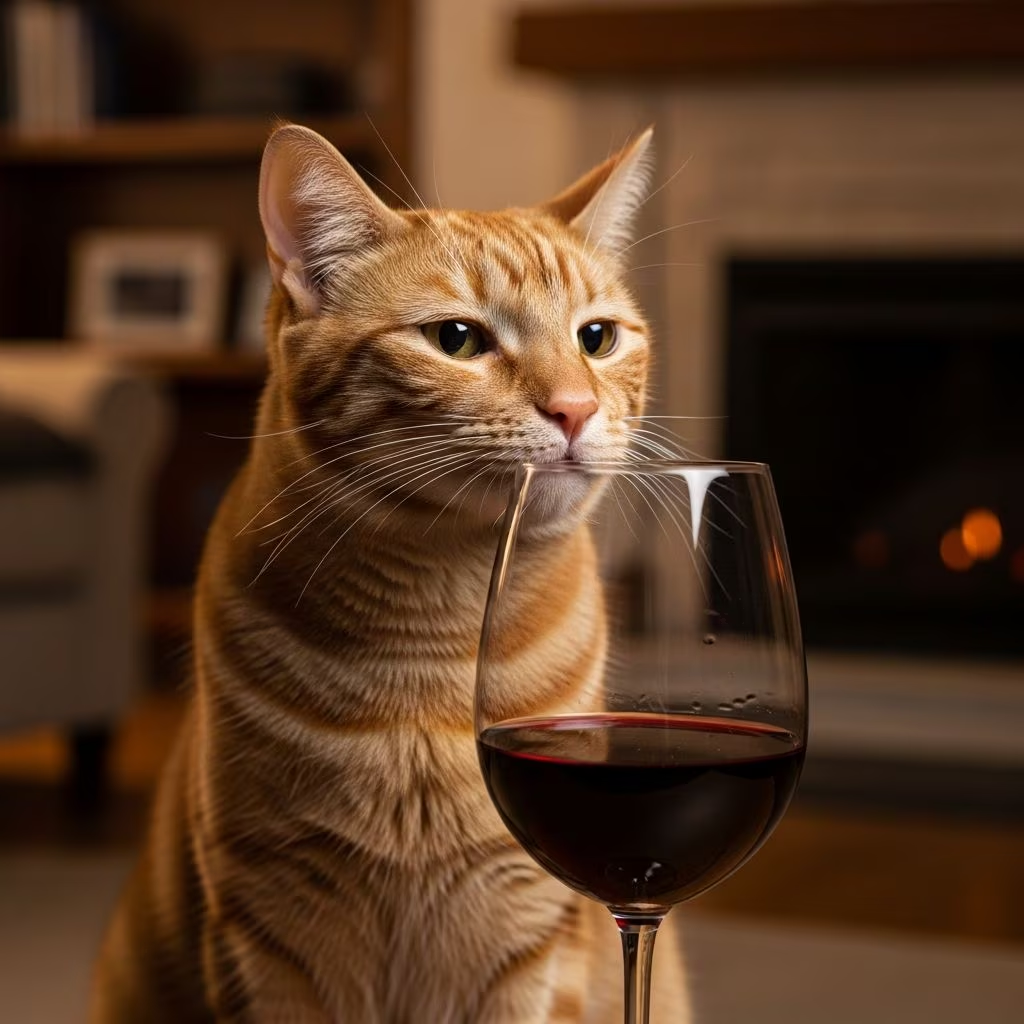
For many people, unwinding after a hectic day involves savoring a glass of wine, beer, or a favorite spirit. It’s common to spot your inquisitive cat eyeing your drink, prompting the question: can cats drink alcohol? The resounding answer is no. Cats must avoid all forms of alcohol completely. This comprehensive guide delves into the reasons behind this prohibition, the severe effects of alcohol on feline health, immediate actions if exposure happens, and practical strategies to safeguard your pet.
Is Alcohol Dangerous for Cats?
Alcohol poses a grave threat to cats and should never be offered in any quantity or form. Cats possess much smaller bodies than humans, rendering even minimal alcohol doses potentially fatal. Most alcoholic beverages contain ethanol, a substance profoundly toxic to felines. Shockingly, as little as one teaspoon can trigger alcohol poisoning.
When a cat ingests alcohol, their liver and kidneys face overwhelming challenges in metabolizing and excreting the toxin, particularly with larger amounts. This strain can lead to rapid systemic failure. Beyond beverages, alcohol lurks in everyday items like mouthwashes, hand sanitizers, and certain cleaning products, all of which can inflict serious harm if ingested or absorbed through the skin.
Understanding the physiology explains the danger: cats lack sufficient enzymes to efficiently break down ethanol. Their bloodstream absorbs it swiftly, amplifying toxicity. This vulnerability stems from evolutionary adaptations; felines are obligate carnivores not equipped to handle plant-derived alcohols humans tolerate.
What Should I Do If My Cat Drinks Alcohol?
If your cat merely licks a trace of wine from your finger or briefly dips its nose into a glass, the risk is typically low. Cats generally dislike alcohol’s taste and odor, making intentional consumption rare. However, individual cats vary—some curious ones might lap up more.
Act swiftly if you suspect meaningful ingestion: contact your veterinarian or the Pet Poison Helpline without delay. Time is critical in preventing escalation. Closely observe for poisoning signs while seeking professional help. Avoid panic or home remedies; do not induce vomiting unless instructed by a vet.
Encourage water intake if possible, but prioritize expert intervention. Vets may administer intravenous (IV) fluids to flush toxins, stabilize blood pressure, correct electrolytes, and support organ function. In severe cases, medications address symptoms like seizures or hypothermia. Prognosis improves with prompt care; delays heighten fatality risks.
Clinical Signs of Alcohol Poisoning in Cats
Symptoms emerge 15-30 minutes post-ingestion, progressing rapidly. Common indicators include:
- Weakness and lethargy
- Disorientation and confusion
- Loss of coordination (staggering gait)
- Nausea and vomiting
- Increased thirst and urination
- Low body temperature (hypothermia)
- Slowed breathing (depressed respiration)
- Hypoglycemia (low blood sugar)
- Tremors, seizures, coma, or death in advanced stages
These effects arise from alcohol’s rapid bloodstream absorption, overburdening the liver—the primary detox organ—and causing dangerous drops in vital parameters.
Can Cats Have Alcohol If It Is Cooked Into a Meal?
Cooking with alcohol, such as in sauces or flambé dishes, reduces but does not eliminate ethanol entirely. Residual amounts persist, especially in shorter cooking times. Err on caution: keep all alcohol-infused foods away from cats. No level guarantees safety, and the risks mirror direct ingestion.
Baked goods like rum cakes or alcohol-laced desserts retain aromas appealing to cats, masking hidden dangers. Mixed drinks with sweet flavors or salty rims prove even more enticing, increasing accidental exposure odds.
But Why Do They Have Wine for Cats at Supermarkets?
Products labeled “cat wine” spark confusion, but rest assured: these contain zero alcohol. Crafted as fun, pet-safe novelties, they feature ingredients like beet juice, catnip, and preservatives for flavor and appeal. Cats enjoy them in moderation during your gatherings, mimicking toasts without health perils.
Other safe hydration options exist beyond water, including vet-approved broths or tuna water (in limits), but always prioritize plain water. Cat wine serves purely recreational purposes, fostering bonding sans risks.
How to Keep Your Cat Safe from Alcohol
Prevention trumps cure. Implement these vet-recommended strategies:
- Elevate drinks: Place glasses out of paw reach; never leave them unattended, even briefly.
- Use protective drinkware: Opt for lidded cups, bottles, or straws during cooking or lounging.
- Clear remnants promptly: Rinse glasses thoroughly; discard bottles immediately.
- Secure household products: Store mouthwashes, sanitizers, and cleaners in inaccessible cabinets.
- Supervise parties: Monitor cats during events; confine if needed.
- Educate household members: Ensure all know alcohol’s feline toxicity.
These habits minimize accidents, allowing worry-free enjoyment of your beverages.
Understanding Alcohol Types and Their Risks to Cats
Not all alcohols equate equal threats; ethanol concentration dictates severity:
| Alcohol Type | Typical ABV | Risk Level for Cats |
|---|---|---|
| Light Beer | 3-5% | Low concentration, but still toxic in volume |
| Craft Beer/Wine | 5-15% | Moderate-high; wines vary widely |
| Hard Liquor | 40%+ | Extremely high; tiny sips deadly |
| Grain Alcohol (e.g., Everclear) | 75-95% | Catastrophic; avoid at all costs |
| Methanol/Isopropyl (Rubbing) | Varies | More toxic than ethanol; skin absorption risky |
For context, 25ml of 40% vodka (one human shot) delivers ~10ml pure ethanol—potentially lethal for a 2-4kg cat.
Frequently Asked Questions (FAQs)
Can cats drink wine?
No. Wine’s ethanol (5.5-25% ABV) is highly toxic; even small amounts cause poisoning. Seek vet care immediately if ingested.
What if my cat drinks beer?
Beer is unsafe despite lower ABV. Symptoms mirror other alcohols; contact poison control.
Is cat wine safe?
Yes—alcohol-free, made with catnip and juices for fun.
How much alcohol is toxic to cats?
One teaspoon of ethanol suffices for poisoning; varies by cat size.
What are signs my cat drank alcohol?
Watch for ataxia, vomiting, hypothermia, seizures. Act fast.
Long-Term Implications and Vet Insights
Beyond acute poisoning, alcohol assaults multiple systems: central nervous depression leads to respiratory failure; metabolic acidosis from lactate buildup; hepatic damage impairs future detox. Survivors risk chronic kidney issues or neurological deficits. Vets stress zero-tolerance policies.
Research underscores cats’ unique vulnerabilities—lower alcohol dehydrogenase activity hampers breakdown. Pet Poison Helpline logs confirm alcohol calls, with cats faring worse than dogs due to size.
In summary, while humans relish alcohol responsibly, felines cannot. Vigilance ensures safe coexistence. Enjoy your drinks mindfully, prioritizing your cat’s well-being.
References
- Can Cats Drink Alcohol? Vet-Verified Facts, Risks & Safety Tips — Catster. 2023. https://www.catster.com/nutrition/can-cats-drink-alcohol/
- Can Cats Drink Wine? Vet-Verified Safety Information — Catster. 2023. https://www.catster.com/cat-health-care/can-cats-drink-wine/
- Can Cats Drink Alcohol — Pet Poison Helpline. 2023. https://www.petpoisonhelpline.com/pet-tips/can-cats-drink-alcohol-2/
- What Can Cats Drink Besides Water? 3 Vet-Approved Options — Catster. 2023. https://www.catster.com/nutrition/drinks-a-cat-can-have-besides-water/
- My Cat Drank Alcohol! Here’s What to Do (Vet Answer) — Catster. 2023. https://www.catster.com/ask-the-vet/cat-drank-alcohol-what-to-do/



