

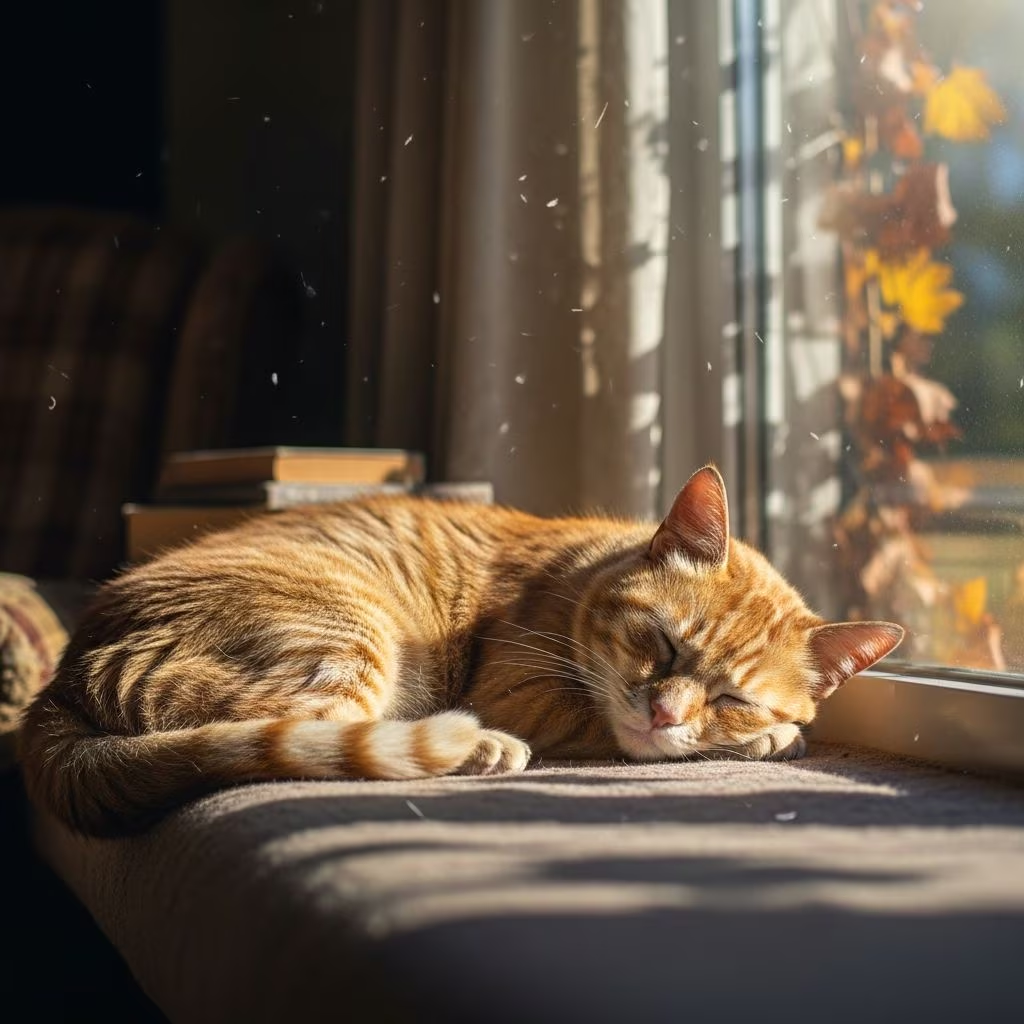
Cats do not typically die solely from old age; instead, they usually succumb to age-related diseases or organ failure. While the average domestic cat lifespan ranges from 12 to 18 years, many factors influence how long a cat lives, and understanding these can help extend your pet’s healthy years.
How Long Do Cats Live?
The average lifespan of a domestic cat is between 13 and 17 years, though indoor cats often live longer, up to 15-20 years or more, while outdoor cats average 2-5 years due to risks like trauma and disease. Female cats outlive males by about 1.33 years on average (12.51 years for females vs. 11.18 years for males), and neutered cats live longer than intact ones. Certain breeds like Burmese and Birman have the longest expectancies at around 14 years, while crossbred cats often surpass purebreds due to genetic diversity.
A groundbreaking 9-year Purina study showed that a nutrient blend of antioxidants, essential fatty acids, and prebiotics extended healthy lifespan by an average of one year in senior cats aged 7-17. Maximum verified lifespans reach 30 years, with the oldest recorded cat, Flossie, living to 28.
Do Cats Die of Old Age?
No, cats rarely die purely of ‘old age.’ Aging weakens the body, leading to organ dysfunction, but death usually results from specific conditions like kidney disease, cancer, or heart failure. In one study, top causes of mortality were trauma (12.2%), renal disorders (12.1%), neoplasia (10.8%), and mass lesions (10.2%). Senior cats experience cumulative oxidative stress, but proactive care can mitigate this.
Factors Affecting Cat Lifespan
Several key factors determine a cat’s longevity. Here’s a breakdown:
- Genetics and Breed: Inherited traits play a role; Burmese and Birman breeds average 14+ years, while some purebreds face genetic health issues. Crossbred cats often live longer due to hybrid vigor.
- Diet and Nutrition: A balanced, high-protein diet with antioxidants, omega-3s, and prebiotics supports longevity. Cats fed Purina’s nutrient blend maintained better body weight and lean mass.
- Environment: Indoor cats live 10-15 years longer than outdoor ones, avoiding traffic, predators, and infections.
- Healthcare: Regular vet visits, vaccinations, and neutering add years. Spayed females live to 10.5 years median vs. 4.7 for intact.
- Sex and Neuter Status: Females and neutered cats have longer lifespans.
- Body Weight: Optimal BCS (6-8/9) correlates with longest life; overweight or underweight shortens it.
| Factor | Impact on Lifespan | Example |
|---|---|---|
| Indoor vs. Outdoor | Indoor: 12-20+ years; Outdoor: 2-5 years | Reduced trauma risk indoors |
| Female vs. Male | Females +1.33 years | Hormonal differences |
| Neutered vs. Intact | Neutered +1.07 years | Lower disease risk |
| Crossbred vs. Purebred | Crossbred longer | Genetic diversity |
Indoor vs. Outdoor Cats: Lifespan Comparison
Indoor cats significantly outlive outdoor ones. Outdoor cats face constant dangers: fights (injuries/infections), vehicles, predators, toxins, and parasites, leading to an average 2-5 year lifespan. Indoor cats, protected from these, average 12-18 years but may need enrichment to prevent obesity and boredom. A safe hybrid approach—supervised outdoor access via enclosures—balances benefits.
Common Causes of Death in Older Cats
Senior cats (11+ years) die from:
- Chronic Kidney Disease (CKD): Affects 30-50% of cats over 10; symptoms include thirst, weight loss.
- Hyperthyroidism: Common in 10% of seniors; causes weight loss, hyperactivity.
- Cancer (Neoplasia): 10.8% of deaths; lymphoma prevalent.
- Heart Disease: HCM in breeds like Maine Coon.
- Arthritis and Mobility Issues: Reduces quality of life.
- Dental Disease: Leads to systemic infections.
Early detection via bi-annual vet checks is crucial.
Signs Your Cat is Dying
Recognize end-of-life signs to provide comfort:
- Extreme lethargy and hiding.
- Refusal to eat/drink (days leads to organ failure).
- Labored breathing or open-mouth respiration.
- Cold extremities, low body temperature.
- Incontinence or uncharacteristic vocalization.
- Seizures or disorientation.
Consult a vet for pain management or euthanasia decisions.
Senior Cat Care Tips
Maximize your cat’s golden years:
- Vet Visits: Bi-annual exams, bloodwork for early CKD/thyroid detection.
- Diet: Senior formulas with controlled phosphorus, high moisture.
- Exercise: Toys, climbing trees for muscle maintenance.
- Comfort: Orthopedic beds, low-entry litter boxes.
- Environment: Quiet spaces, pheromone diffusers for stress.
- Supplements: Omega-3s, glucosamine for joints.
Monitor weight, litter habits, and appetite daily.
How to Help a Dying Cat
Focus on palliative care:
- Create a peaceful, warm space with familiar bedding.
- Offer palatable foods like warmed wet food or tuna water.
- Provide subcutaneous fluids if vet-approved for hydration.
- Administer pain meds as prescribed.
- Surround with gentle company; respect if they prefer solitude.
- Consider humane euthanasia to prevent suffering.
FAQs
What is the average lifespan of a cat?
Average cat lifespan is 13-17 years, longer for indoor females (up to 20+).
Do indoor cats live longer than outdoor cats?
Yes, indoor cats live 10-15 years longer due to fewer risks.
What breeds of cats live the longest?
Burmese, Birman (14+ years); crossbreds often outlive purebreds.
What are the signs of a cat nearing the end of life?
Lethargy, no appetite, labored breathing, cold limbs.
Can diet extend a cat’s life?
Yes, nutrient blends with antioxidants extended healthy life by 1 year in a 9-year study.
References
- Understanding Cat Lifespan: From Kitten to Cat — YEG Vet. 2023. https://www.yegvet.ca/understanding-cat-lifespan-from-kitten-to-cat/
- Life tables of annual life expectancy and risk factors for mortality in cats — PMC (NCBI). 2024-05-15. https://pmc.ncbi.nlm.nih.gov/articles/PMC11156239/
- 9-Year Longevity Study in Cats — Purina Institute. 2023. https://www.purinainstitute.com/science-of-nutrition/extending-healthy-life/longevity-study-in-cats
- A Comprehensive Guide to Understanding Your Cat’s Lifespan — CODA Pet. 2024. https://www.codapet.com/senior-pet-care/a-comprehensive-guide-to-understanding-your-cats-lifespan
- Factors That Influence Pet Lifespans — Bark & Whiskers. 2015-10-24. https://www.barkandwhiskers.com/2015-10-24-nl-factors-affecting-pet-lifespan/



