

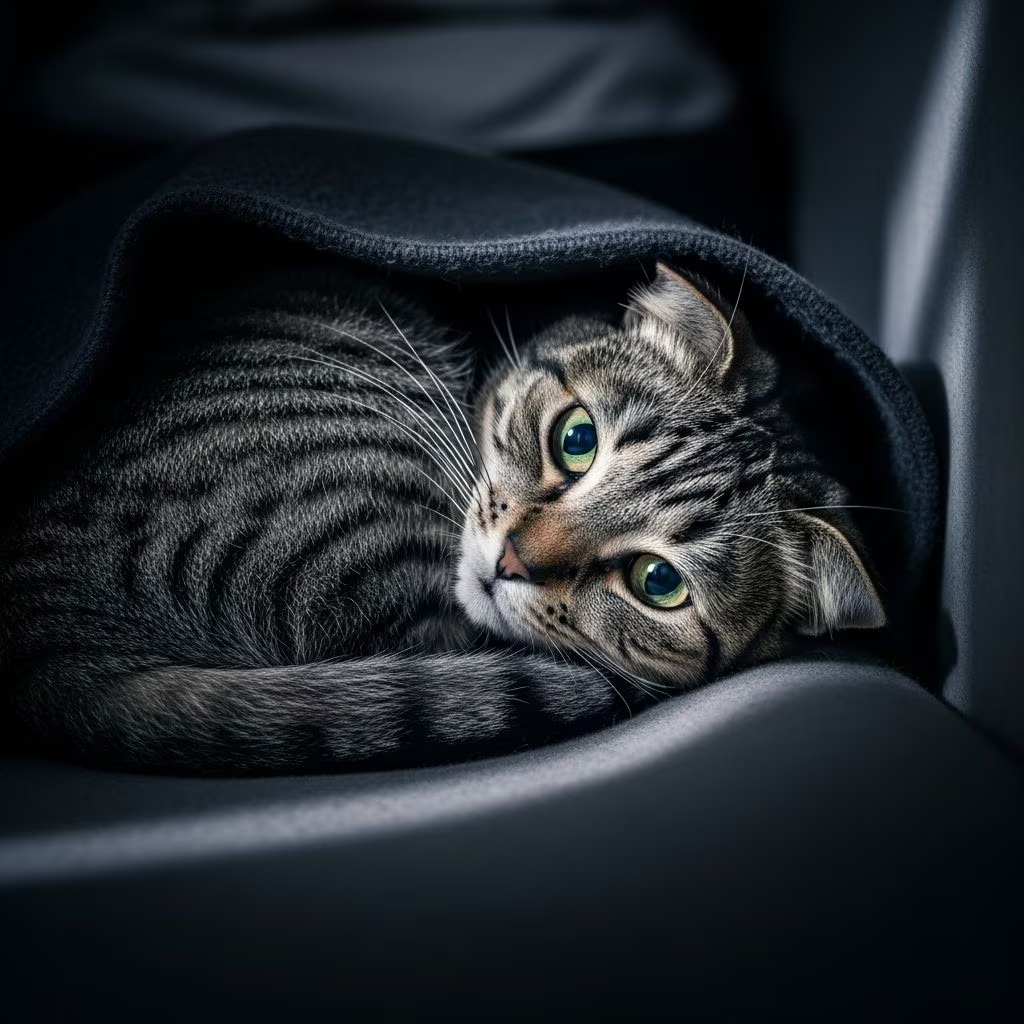
Stress does not directly kill cats, but prolonged stress can weaken their immune system, trigger serious health issues like urinary blockages, heart problems, and gastrointestinal disorders, potentially leading to fatal outcomes if untreated. Cats, as sensitive creatures, experience stress from environmental changes, lack of stimulation, or social conflicts, making early recognition and management crucial for their well-being.
How Does Stress Affect Cats?
Cats perceive stress as a threat to their survival, activating the fight-or-flight response that releases hormones like cortisol and adrenaline. While a single episode rarely causes harm, chronic stress disrupts bodily systems, increasing vulnerability to diseases. Indoor cats without outdoor access are particularly prone due to limited stimulation and routine disruptions.
Stress impacts multiple systems:
- Immune System: Suppresses defenses, making cats susceptible to infections.
- Urinary System: Causes cystitis, crystals, or blockages from hormonal imbalances.
- Cardiovascular: Elevates blood pressure and alters heart rhythm, risking heart disease.
- Gastrointestinal: Leads to vomiting, diarrhea, and dehydration.
These effects compound, especially in cats with pre-existing conditions, turning manageable stress into life-threatening scenarios.
Signs Your Cat Is Stressed
Recognizing stress early prevents escalation. Common indicators include behavioral and physical changes.
- Appetite Changes: Not eating or drinking for over 24 hours risks dehydration or hepatic lipidosis (fatty liver disease), common in overweight cats.
- Litter Box Problems: Urinating outside the box signals feline lower urinary tract disease (FLUTD), including inflammation, infections, crystals, or blockages—fatal in males within days if untreated.
- Behavioral Shifts: Aggression, withdrawal, excessive vocalization, or scratching.
- Grooming Alterations: Over-grooming leading to hair loss or neglect causing matted fur.
- Sleep Disturbances: Oversleeping or restlessness.
If noticed, consult a vet immediately for diagnosis and intervention.
Health Problems Caused by Stress in Cats
Chronic stress manifests in severe conditions. Here’s a breakdown:
| Condition | Description | Risks if Untreated |
|---|---|---|
| Cardiovascular Issues | Increased blood pressure, irregular heart rhythm. | Heart disease, sudden death. |
| Urinary Problems | Cystitis, crystals, blockages from cortisol/adrenaline. | Kidney failure, shock, collapse. |
| Gastrointestinal Disorders | Vomiting, diarrhea from excess stomach acid. | Severe dehydration, fatal weakness. |
| Immune Suppression | Weakened defenses against infections. | Fatal diseases, worsened chronic issues. |
These align with sudden death causes like heart failure or urinary obstruction.
Can Stress Cause Sudden Death in Cats?
While not direct, stress exacerbates fatal conditions like hypertrophic cardiomyopathy (HCM), thromboembolism, or urinary blockages. For instance, stress-induced FLUTD can block urine flow, leading to toxemia and death in 72 hours. Combined with factors like toxins or trauma, stressed cats fare worse.
Common Stressors in Cats
Cats thrive on stability; disruptions trigger anxiety.
- Environmental Changes: Moving, new furniture, renovations.
- Social Stress: New pets, visitors, or loss of companions—65% show grief behaviors like appetite loss or clinginess.
- Lack of Stimulation: Boredom in indoor environments.
- Medical Procedures: Vet visits, grooming.
- Household Noise: Construction, loud music.
Mourning another pet mimics dying signs: lethargy, hiding, poor appetite.
How to Reduce Stress in Cats
Proactive steps mitigate risks.
Environmental Enrichment
- Provide scratching posts, climbing trees, toys for play.
- Use pheromone diffusers like Feliway to calm.
- Maintain clean, multiple litter boxes (one per cat + one extra).
Routine and Safety
- Consistent feeding/sleep schedules.
- Quiet safe spaces for hiding.
- Slow introductions to changes/new animals.
Health Management
- Regular vet checkups to rule out underlying issues.
- Balanced diet, hydration fountains for water intake.
- Consider anti-anxiety meds if vet-recommended.
These reduce cortisol, bolstering immunity.
When to See a Vet for Stress in Cats
Act fast on signs like appetite loss >24 hours, litter issues, or lethargy—could signal FLUTD or fatty liver. Vets diagnose via exams, urinalysis, bloodwork. Untreated stress worsens to irreversible damage.
Can Stress Speed Up Death in Sick Cats?
Yes, stress aggravates conditions like kidney disease, HCM, or cancer, hastening decline. Dying cats show overlapping signs: weight loss, vomiting, hiding, labored breathing. Stress from pain or environment accelerates this. Comfort measures like quiet rest help.
Frequently Asked Questions (FAQs)
What are the first signs of stress in cats?
Changes in appetite, litter box avoidance, aggression, excessive grooming, or vocalization.
Can a cat die from not eating due to stress?
Yes, refusing food >24 hours risks hepatic lipidosis, especially in overweight cats.
How long can stress affect a cat before it’s dangerous?
Prolonged/chronic stress weakens immunity; urinary blockages can kill in days.
Do cats grieve and get stressed from losing a pet?
Yes, 65% show grief: appetite loss, sleeping changes, clinginess.
What home remedies reduce cat stress?
Pheromone diffusers, enrichment toys, stable routines, safe spaces.
Conclusion
Stress threatens cats indirectly but profoundly—monitor signs, enrich environments, and seek vet care promptly to safeguard their lives. Informed owners prevent tragedies through vigilance and love.
References
- Can a CAT DIE From STRESS? Why Stress Kills and How to Stop It — AnimalWised (YouTube). 2024-11-01. https://www.youtube.com/watch?v=OQ_ijzav6UY
- Sudden Cat Death: Causes, Prevention & Coping Tips for Pet Parents — PetPlace. Accessed 2026. https://www.petplace.com/article/cats/pet-health/cat-health/sudden-cat-death-understanding-why-it-happens
- Is It Time to Let Go? 13 Signs Your Cat May Be Dying and How to Help — CareCredit Well-U Pet Care. Accessed 2026. https://www.carecredit.com/well-u/pet-care/signs-a-cat-is-dying/
- Can Cats Die From Stress? Vet-Approved Facts & Advice — Catster. Accessed 2026. https://www.catster.com/cat-health-care/can-cats-die-from-stress/
- Do Cats Mourn? — VCA Animal Hospitals. Accessed 2026. https://vcahospitals.com/know-your-pet/do-cats-mourn



