

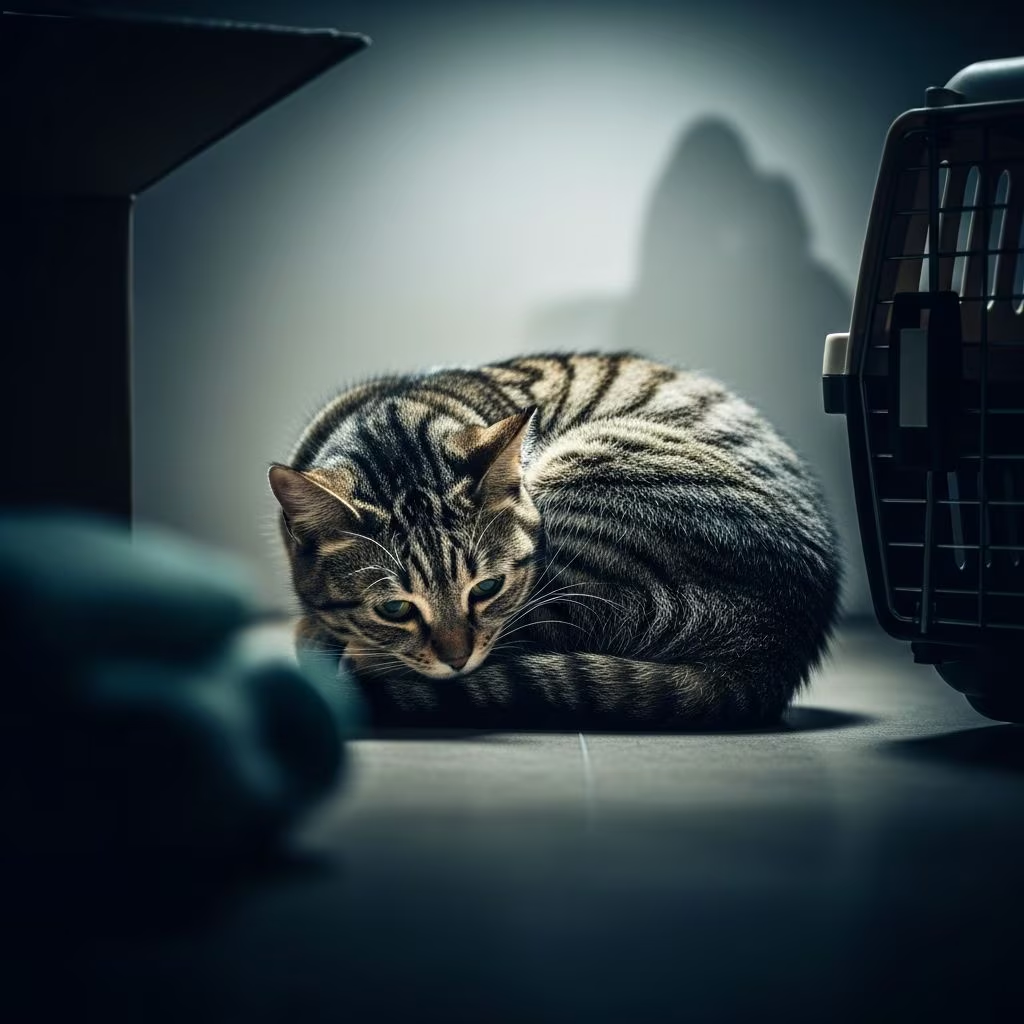
While stress itself does not directly cause death in cats, chronic stress can severely compromise their immune system, leading to life-threatening conditions such as urinary blockages, heart disease, gastrointestinal disorders, and increased vulnerability to infections. Veterinary experts confirm that prolonged stress triggers hormonal imbalances like elevated cortisol and adrenaline, disrupting bodily functions and potentially resulting in fatal outcomes if untreated.
How Does Stress Affect Cats?
Cats experience stress as a response to perceived threats, activating their fight-or-flight mechanism. This releases stress hormones that, in short bursts, are adaptive but become harmful when chronic. Stress weakens the immune system, making cats more susceptible to diseases, alters heart rhythms, and disrupts urinary and digestive functions. According to animal health resources, stressed cats may develop cardiovascular issues, with elevated blood pressure facilitating heart disease progression.
Understanding feline stress physiology is crucial: the sympathetic nervous system overactivates, leading to sustained high cortisol levels. This imbalance affects multiple systems, from immune suppression to inflammation in the bladder, often culminating in conditions like feline lower urinary tract disease (FLUTD).
Signs of Stress in Cats
Recognizing early signs of stress is vital for intervention. Common indicators include:
- Changes in appetite: Eating too much, too little, or refusing food entirely, which can lead to dehydration or hepatic lipidosis if prolonged beyond 24 hours.
- Litter box avoidance: Urinating outside the box, straining, or blood in urine signaling FLUTD.
- Behavioral shifts: Increased aggression, withdrawal, excessive vocalization, or hiding.
- Grooming alterations: Over-grooming causing hair loss (psychogenic alopecia) or neglect leading to matted fur.
- Sleep disturbances: Oversleeping, restlessness, or insomnia-like patterns.
- Physical symptoms: Vomiting, diarrhea, scratching furniture excessively to release energy.
These signs often appear subtly at first but escalate if stressors persist. For instance, a cat ignoring its litter box may be developing cystitis due to stress-induced bladder inflammation. Prompt veterinary consultation is recommended upon noticing clusters of these symptoms.
Health Problems Caused by Stress in Cats
Chronic stress manifests in severe health issues that can prove fatal. Key problems include:
Cardiovascular Problems
Stress elevates blood pressure and disrupts heart rhythms, promoting hypertrophic cardiomyopathy (HCM) or thromboembolism. These can cause sudden collapse or death, especially in predisposed breeds.
Urinary Tract Issues
Stressed cats frequently suffer FLUTD, including cystitis, crystals, or blockages. Male cats face higher blockage risks, which can lead to kidney failure and death within 72 hours without treatment. Symptoms: frequent small urinations, straining, hematuria.
Gastrointestinal Disorders
Increased stomach acid from stress causes vomiting and diarrhea, resulting in dehydration and electrolyte imbalances. Severe cases lead to shock or organ failure.
Immune System Suppression
Weakened immunity heightens infection risks, exacerbating pre-existing conditions. Stress-aggravated diseases like upper respiratory infections can become fatal.
Table comparing stress-related conditions:
| Condition | Symptoms | Potential Fatality |
|---|---|---|
| FLUTD/Blockage | Straining, blood in urine | High (kidney failure) |
| Heart Disease | Weak pulse, collapse | High (sudden death) |
| GI Distress | Vomiting, diarrhea | Medium (dehydration) |
| Immune Issues | Frequent infections | Medium-High |
Common Causes of Stress in Cats
Several environmental and social factors trigger stress:
- Environmental changes: Moving, renovations, new family members disrupt routines.
- Lack of stimulation: Boredom from monotonous environments leads to anxiety.
- Social conflicts: New pets, competition for resources, or tense owner interactions.
- Traumatic events: Loud noises, vet visits, abuse, or neglect.
- Health-related: Pain from undiagnosed illnesses amplifies stress.
Cats’ territorial nature makes them sensitive to routine disruptions, often perceiving them as threats.
Can Stress Kill Cats?
Directly, no—but indirectly, yes. Stress doesn’t kill outright but creates a cascade: immune weakening → disease susceptibility → fatal complications like urinary obstruction or heart failure. In extreme cases, untreated stress leads to anorexia, dehydration, and organ shutdown. Veterinary data links chronic stress to higher mortality in conditions like HCM.
How to Help a Stressed Cat
Reducing stress involves multifaceted strategies:
- Environmental enrichment: Provide scratching posts, toys, vertical spaces, and pheromone diffusers like Feliway.
- Routine stability: Maintain consistent feeding, play, and litter schedules.
- Socialization: Gradual introductions to new pets/humans; ensure ample resources (multiple litter boxes).
- Diet and exercise: High-quality food, interactive play sessions to burn energy.
- Veterinary intervention: Anti-anxiety meds (e.g., fluoxetine) or supplements if needed; rule out medical issues.
Monitor progress and consult vets for tailored plans. Behavioral therapy, like positive reinforcement training, proves effective.
When to See a Vet
Seek immediate care if your cat shows:
- No eating/drinking >24 hours.
- Litter box issues with straining/blood.
- Severe lethargy, vomiting, or aggression.
- Weight loss or hiding persistently.
Early diagnosis prevents escalation to fatal stages.
Prevention Tips for Cat Stress
Proactive measures include regular vet checkups, stress audits of the home environment, and mental stimulation toys. Avoid common pitfalls like abrupt changes or overcrowding litter boxes (rule: one per cat + one extra).
Frequently Asked Questions (FAQs)
Can cats die suddenly from stress?
Stress contributes to sudden death indirectly via blockages or heart events, but not alone.
What are the first signs of stress in cats?
Appetite changes, litter avoidance, and behavioral shifts like hiding or aggression.
Is cystitis in cats caused by stress?
Yes, stress is a major trigger for idiopathic cystitis (FLUTD).
How long can a cat live with untreated stress?
Varies; weeks to months, depending on complications like kidney failure.
Can medication help stressed cats?
Vet-prescribed anti-anxiety drugs and pheromones are effective.
References
- Can a CAT DIE From STRESS? Why Stress Kills and How to Stop It — AnimalWised (YouTube). 2024-11-01. https://www.youtube.com/watch?v=OQ_ijzav6UY
- Sudden Cat Death: Causes, Prevention & Coping Tips for Pet Parents — PetPlace. Accessed 2026. https://www.petplace.com/article/cats/pet-health/cat-health/sudden-cat-death-understanding-why-it-happens
- Stress in cats: how does it affect their health and well-being? — ArandoVo. Accessed 2026. https://www.arandovo.com/stress-cats/
- Can Cats Die From Stress? Vet-Approved Facts & Advice — Catster. Accessed 2026. https://www.catster.com/cat-health-care/can-cats-die-from-stress/
- 9 Signs a Cat Is Dying and What To Do — PetMD. Accessed 2026. https://www.petmd.com/cat/general-health/signs-your-cat-is-dying



