

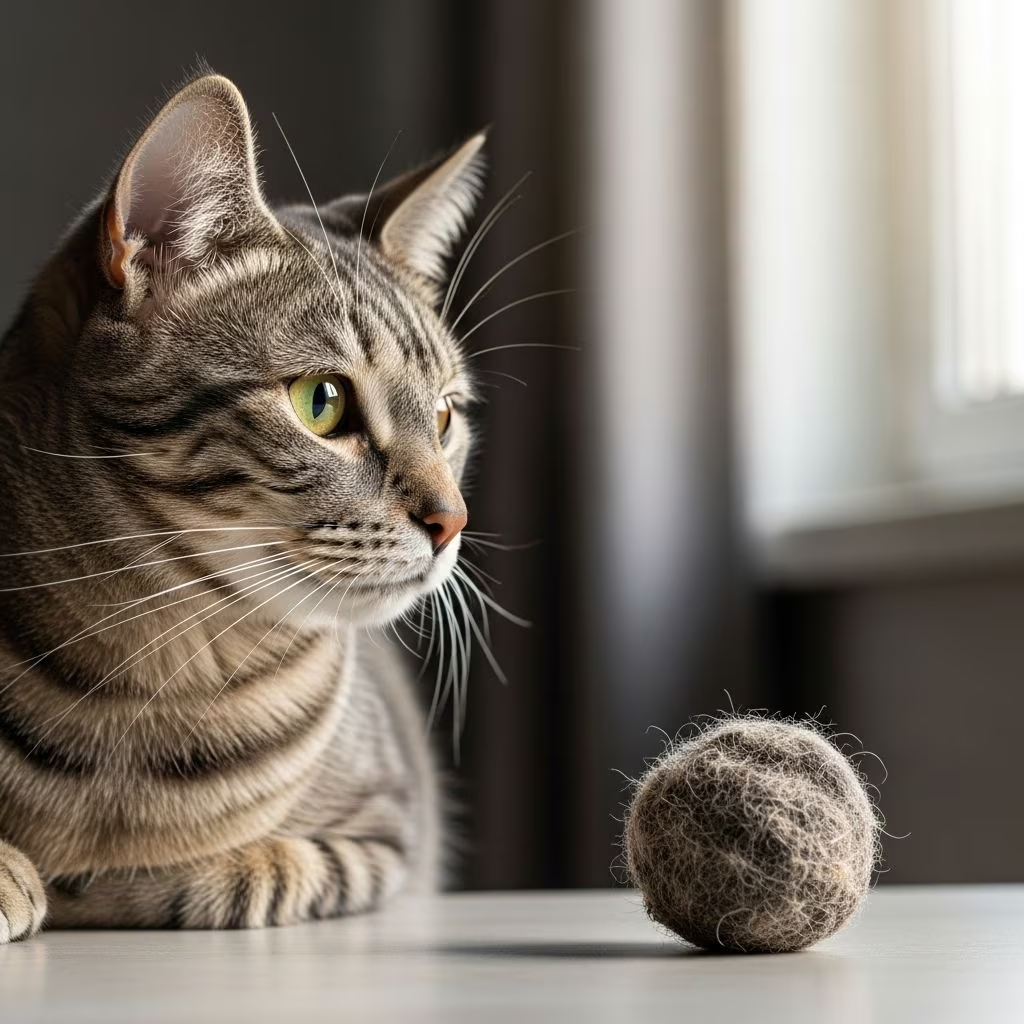
Hairballs, known medically as trichobezoars, form when cats ingest loose fur during grooming, which accumulates in the stomach. While occasional hairballs are normal, especially in long-haired breeds, they rarely cause death directly. However, complications like intestinal blockages can be life-threatening if untreated.
What Are Hairballs in Cats?
Hairballs occur as cats groom themselves, swallowing hair that their backward-facing tongue papillae push into the digestive tract. In the stomach, this hair mixes with gastric juices, forming a tubular or cylindrical mass rather than a perfect sphere, often resembling a cigar or sausage shape. Shorthaired cats may experience them less frequently, but longhaired breeds like Persians are more prone due to greater fur volume.
Typically, cats regurgitate these hairballs every one to two weeks without issue. The expelled mass is usually 1-5 inches long, coated in mucus, and has a mild odor from bile and food residues. This process is a natural grooming byproduct, but excessive frequency signals potential problems.
Are Hairballs Normal for Cats?
Yes, occasional hairballs are normal, particularly during shedding seasons. Surveys indicate about 10% of healthy shorthaired cats vomit hairballs two or more times yearly, with longhaired cats twice as likely. However, frequent episodes—more than once a month—may indicate underlying issues like excessive grooming from allergies, fleas, anxiety, or gastrointestinal disorders.
- Normal frequency: 1-2 per couple of weeks in grooming-heavy cats.
- Warning signs: Daily or weekly vomiting, especially in shorthairs, suggesting pruritic skin disease, flea infestation, or dietary intolerance.
In shorthaired cats, regular hairball vomiting often points to primary gastrointestinal disease, such as inflammatory bowel disease (IBD) or food sensitivities, rather than just grooming habits.
Can Cats Die from Hairballs?
Direct death from hairballs is rare, but untreated complications can be fatal. A hairball too large to pass may lodge in the esophagus, stomach, or intestines, causing obstruction. Gastrointestinal blockages lead to severe issues like dehydration, sepsis, or perforation if not addressed surgically.
According to veterinary experts, while most hairballs resolve via regurgitation or defecation, impactions pose significant morbidity and occasional mortality risks through three main routes:
- Intestinal obstruction: Partial or complete blockage causing vomiting, pain, and palpable abdominal masses.
- Esophageal entrapment: Leading to regurgitation failure, oesophagitis, or stricture, often with pre-existing esophageal issues.
- Nasopharyngeal vomition: Causing sneezing, halitosis, and nasal discharge.
Cornell University’s Feline Health Center notes that large, non-regurgitated hairballs become round like a “rolled-up sock,” blocking sphincters between esophagus-stomach or stomach-intestines.
Hairball Blockage Symptoms in Cats
Monitor for these signs of blockage, which demand immediate veterinary attention:
- Repeated unproductive retching or gagging.
- Lethargy and weakness.
- Loss of appetite or refusal to eat.
- Constipation or straining without feces.
- Vomiting (especially without hairball expulsion).
- Abdominal distension or pain.
- Fever or dehydration.
Smaller hairballs may cause partial obstruction with discomfort but pass in feces eventually. In chronic cases, weight loss or altered gut motility from IBD exacerbates risks.
Why Do Cats Get Hairballs?
Cats are fastidious groomers, spending up to 50% of waking hours licking their coats. Key factors include:
- Seasonal shedding: Spring and fall increase loose fur ingestion.
- Breed predisposition: Longhaired cats ingest more hair.
- Overgrooming: Due to allergies, fleas, stress, or pain.
- Gut dysbiosis: Imbalanced microbiome slows motility, trapping hair.
- Dietary issues: Low-fiber diets hinder hair passage.
Frequent hairballs in shorthairs often stem from chronic GI conditions like IBD or intolerances, prompting vets to investigate during routine exams.
How to Prevent Hairballs in Cats
Prevention focuses on reducing ingestion and aiding passage:
- Regular brushing: Removes loose fur, especially for longhairs; daily sessions minimize swallowing.
- High-fiber diet: Commercial hairball-control foods add lubricants like petrolatum to ease expulsion.
- Hairball remedies: Pastes with malt flavor, petrolatum, or mineral oil lubricate the tract—but use vet-approved only.
- Probiotics/supplements: Restore gut microbiome balance to improve motility.
- Hydration: Wet food or fountains encourage water intake for better digestion.
Avoid over-the-counter laxatives without vet guidance, as they risk complications like pneumonia from aspiration. Address root causes: flea control, hypoallergenic diets, or anxiety reduction.
Hairball Remedies and Treatments
For active hairballs:
| Method | Description | Notes |
|---|---|---|
| Malt paste | Lubricates and promotes expulsion | Weekly dosing; tasty for cats |
| Liquid paraffin | Mixes with food for lubrication | Tasteless; avoid syringing to prevent inhalation |
| Cisapride | Prokinetic drug for motility | Vet-prescribed; well-tolerated in cats |
| Surgery | For blockages | Emergency if obstruction confirmed |
Treat underlying issues: diet trials for IBD, flea treatments, or microbiome supplements like fecal microbiota transplants via capsules. Vets may use imaging to diagnose masses mistaken for tumors.
When to See a Vet for Cat Hairballs
Seek care if:
- Hairballs exceed normal frequency.
- Blockage symptoms appear.
- Accompanied by weight loss, diarrhea, or behavioral changes.
- Cat strains without producing hairball or feces.
Early intervention prevents escalation; routine history-taking flags chronic GI risks.
Frequently Asked Questions (FAQs)
Are hairballs dangerous for cats?
Occasional ones are harmless, but blockages can be fatal without prompt treatment.
How often do cats get hairballs?
Every 1-2 weeks is typical; more suggests health issues.
Can hairballs cause constipation?
Yes, via intestinal blockage leading to straining and no feces.
What helps cats pass hairballs?
Brushing, fiber-rich diets, and vet-approved pastes.
Do all cats get hairballs?
No, but longhairs and heavy groomers are most prone.
Conclusion
Hairballs are mostly benign but warrant vigilance. Proactive grooming, diet, and vet check-ups keep cats healthy. While death is rare, ignoring symptoms risks emergencies—prioritize prevention for peace of mind.
References
- Hairballs in Cats: Causes, Symptoms, & Remedies — WebMD. 2023. https://www.webmd.com/pets/cats/what-to-do-about-hairballs-in-cats
- Hair Balls in Cats: A normal nuisance or a sign that something… — National Institutes of Health (PMC). 2024-01-15. https://pmc.ncbi.nlm.nih.gov/articles/PMC10816490/
- Are Hairballs Normal? Too Many Could Mean Your Cat Has Health… — AnimalBiome. 2023. https://www.animalbiome.com/blogs/pet-health/your-cat-has-hairballs-should-you-worry
- The Danger of Hairballs — Cornell University College of Veterinary Medicine. 2023. https://www.vet.cornell.edu/departments-centers-and-institutes/cornell-feline-health-center/health-information/feline-health-topics/danger-hairballs
- What You Need to Know About Hairballs and Cats — Morris Animal Foundation. 2023. https://www.morrisanimalfoundation.org/article/cat-hairballs-grooming



