

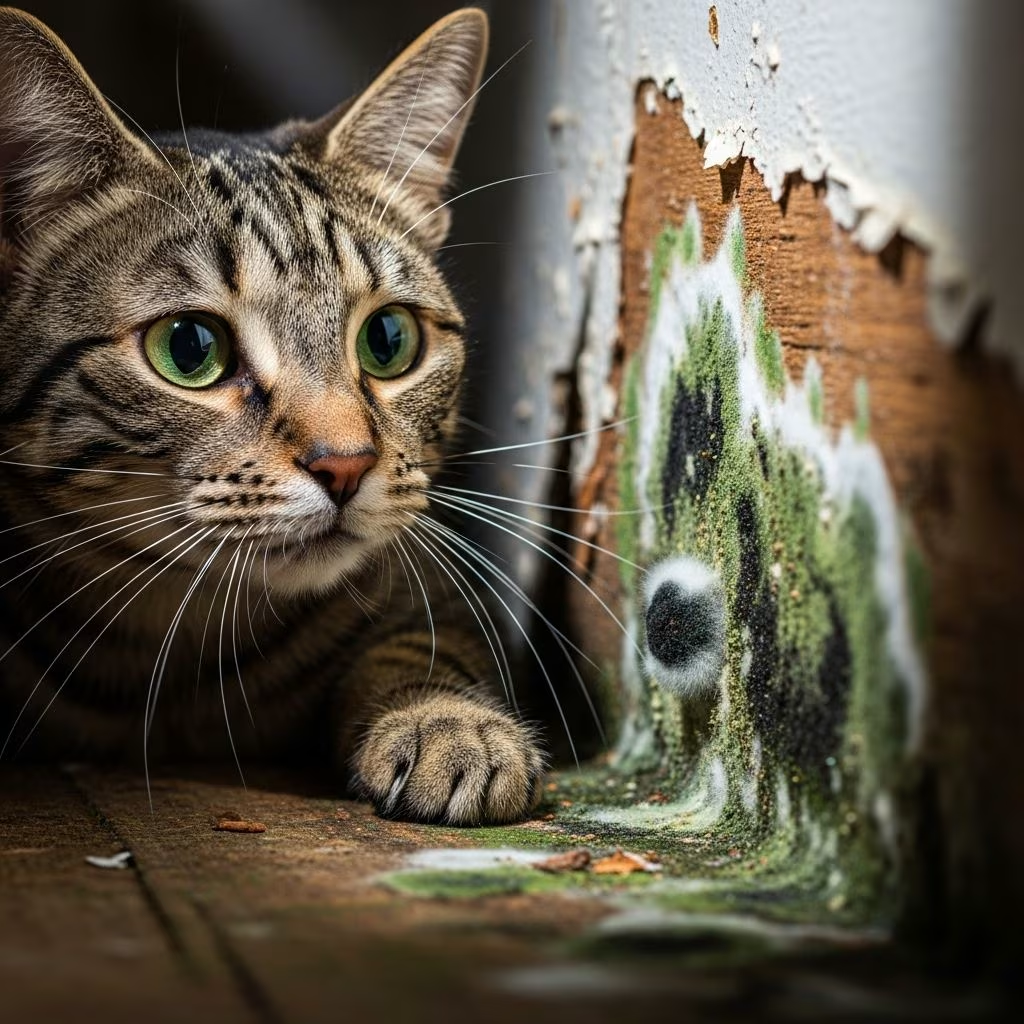
Mold is a common household issue that can pose significant health risks to both humans and pets, including cats. While cats possess an extraordinary sense of smell—14 times stronger than humans—there is limited scientific evidence directly confirming that they can reliably detect mold spores. However, anecdotal reports and studies on pet sensitivities suggest cats may notice environmental changes associated with mold growth, such as musty odors from volatile organic compounds (VOCs). Pets like cats often show early symptoms of mold exposure, acting as potential sentinels for hidden contamination in the home.
Understanding mold’s impact on cats is crucial, as they are particularly vulnerable due to their low-to-the-ground lifestyle, grooming habits, and smaller body size, which amplifies toxin effects. This article examines the science behind cats and mold detection, health risks, symptoms, diagnosis, treatment, prevention, and frequently asked questions.
What Is Mold and Why Is It Harmful to Cats?
Mold is a type of fungus that thrives in damp, humid environments, releasing microscopic spores and mycotoxins into the air. These toxins, such as trichothecenes from black mold (Stachybotrys chartarum), can inflame lungs, damage organs, and trigger allergies in pets. Cats are especially at risk because they breathe near floors where spores settle, groom ingested particles from their fur, and have less efficient detox systems compared to humans.
Historical cases illustrate the severity: In the 1930s, horses suffered fatal Stachybotryotoxicosis from black mold-contaminated straw, a condition involving liver damage and bleeding. Similar risks apply to cats today, with mycotoxins causing coughing, seizures, and organ failure. The FDA warns that aflatoxins—a mycotoxin from Aspergillus molds—can lead to aflatoxicosis, liver damage, and death in pets, even without visible mold.
Can Cats Smell or Sense Mold?
Cats have over 200 million olfactory receptors, enabling them to detect scents at concentrations as low as parts per trillion. Mold growth produces VOCs and musty odors that cats might perceive before humans. Specialty canine scent teams detect mold via VOCs with high specificity, hinting at similar potential in cats, though cats are not typically trained for this.
However, no peer-reviewed studies confirm cats as reliable mold detectors. Their reactions—such as avoiding areas, sneezing, or excessive grooming—may indicate discomfort from mold rather than deliberate detection. Experts caution against relying solely on pets; professional inspections are essential. While cats can serve as early warning systems through symptoms, they cannot pinpoint mold sources like trained dogs.
How Does Mold Affect Cats’ Health?
Mold exposure in cats occurs via inhalation, ingestion, or skin contact, leading to acute or chronic illness. Smaller bodies mean toxins have outsized impacts: what causes human sniffles can severely sicken a cat.
- Inhalation: Spores irritate respiratory tracts, causing chronic inflammation. Cats closer to damp floors inhale more.
- Ingestion: Licking moldy food, toys, or paws introduces mycotoxins, linked to tremorgenic poisoning with tremors and vomiting.
- Skin Contact: Allergens cause dermatitis, mimicking flea allergies.
Long-term exposure risks include organ damage and cancer. In 2007, two Himalayan cats died from pulmonary hemorrhages due to black mold-weakened lung capillaries. Fungal cultures show diagnostic utility in cats with infections, with 52% sensitivity.
Signs of Mold Exposure in Cats
Mold symptoms mimic allergies or infections, delaying diagnosis. Watch for:
- Respiratory: Coughing, sneezing, wheezing, labored breathing.
- Gastrointestinal: Vomiting, diarrhea, appetite loss, bloody stool.
- Neurological: Tremors, seizures, ataxia (in tremorgenic cases).
- Skin: Itching, rashes, hair loss, flaky skin.
- General: Fatigue, weight loss, anxiety.
Symptoms may wax and wane, complicating identification. Sudden changes after home flooding or food switches warrant vet visits.
Diagnosing Mold Toxicity in Cats
Vets rely on history: recent water damage, moldy food access, or symptom clusters. Diagnostics include:
| Test | Purpose | Findings in Mold Cases |
|---|---|---|
| CBC/Chemistry Panel | Check liver enzymes, clotting | Elevated ALT, bilirubin; coagulopathy |
| Urinalysis | Assess kidney function | Proteinuria or crystals |
| Fungal Culture | Identify pathogens | 52% sensitivity in cats |
| Environmental History | Contextual clues | Water damage, pet food recalls |
Mold-specific tests are limited; vets rule out differentials like asthma. Home mold tests or inspections confirm exposure.
Treating Mold Exposure in Cats
Treatment targets symptoms and removes exposure:
- Supportive Care: IV fluids, anti-nausea meds for GI issues.
- Antifungals: For confirmed infections, based on susceptibility testing.
- Detox: Activated charcoal for ingestion; monitor liver.
- Environment: Professional remediation essential.
Prognosis varies; early intervention improves outcomes. Severe aflatoxicosis can be fatal.
How to Prevent Mold Exposure for Cats
Proactive steps safeguard cats:
- Control humidity below 50% with dehumidifiers.
- Fix leaks promptly; ventilate bathrooms/kitchens.
- Store food in airtight containers; discard suspect kibble.
- Clean damp areas with pet-safe solutions (vinegar, hydrogen peroxide).
- Use HEPA air purifiers; avoid carpeting in moist areas.
- Regular vet check-ups for early detection.
DIY kits offer initial screening, but pros use moisture meters and air sampling.
Frequently Asked Questions (FAQs)
Can cats detect mold before humans?
Cats’ superior smell may alert them to mold odors via VOCs, but they aren’t reliable detectors like trained dogs. Symptoms often signal exposure first.
What if my cat is coughing and sneezing?
Consider mold alongside allergies. Vet evaluation with history and labs is key.
Is black mold fatal to cats?
Yes, mycotoxins can cause lung hemorrhages and organ failure, as in documented cat deaths.
How do I test my home for mold safely?
Use DIY kits or hire certified inspectors. Avoid disturbing mold yourself.
Can moldy cat food cause poisoning?
Absolutely; aflatoxins lead to liver toxicosis. Check recalls and storage.
References
- The Silent Threat – How Mold Harms Your Pet’s Health — Bark and Whiskers. 2025-11-26. https://www.barkandwhiskers.com/2025-11-26-mold-dangers-for-pets/
- Mold & Mycotoxin Poisoning in Pets — Citrisafe. Accessed 2026. https://citrisafe.com/mold-mycotoxin-poisoning-pets/
- Mold and Pets: A Hidden Danger You Can’t Ignore — Enviro911. Accessed 2026. https://www.enviro911.com/mold-and-pets-a-hidden-danger-you-can-t-ignore
- Clinical utility of fungal culture and antifungal susceptibility in cats — PMC (NCBI). 2023. https://pmc.ncbi.nlm.nih.gov/articles/PMC10229353/
- Aflatoxin Poisoning in Pets — FDA (U.S. Food and Drug Administration). Accessed 2026. https://www.fda.gov/animal-veterinary/animal-health-literacy/aflatoxin-poisoning-pets
- Black Mold Poisoning in Cats — CABI Digital Library. Accessed 2026. https://cabidigitallibrary.org/do/10.5555/collection-news-17184



