

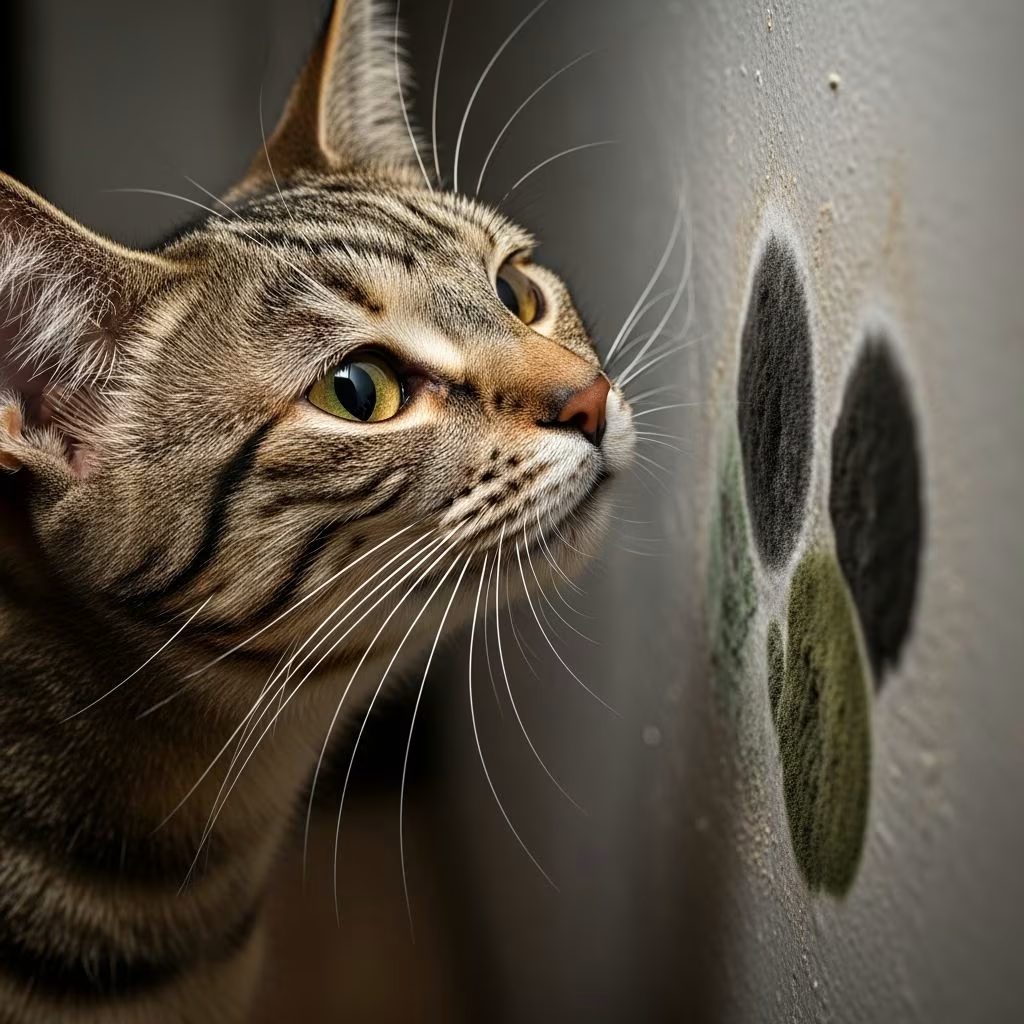
Cats possess an extraordinary sense of smell, far superior to humans, raising questions about whether they can detect mold in the home. While no scientific studies directly confirm cats as reliable mold detectors, their acute olfactory abilities may allow them to sense volatile organic compounds (VOCs) emitted by mold growth, potentially alerting owners to hidden issues early.
What Is Mold and Why Is It a Concern?
Mold is a type of fungus that thrives in damp, humid environments, releasing microscopic spores into the air. These spores can trigger allergies, respiratory problems, and more severe health issues in both humans and pets. In households, mold often grows unseen in walls, carpets, basements, and bathrooms, posing an invisible threat.
For pets like cats, who spend much time close to the ground sniffing and grooming, mold exposure is particularly risky. Toxic molds, such as black mold (Stachybotrys), produce mycotoxins that inflame lungs, damage organs, and cause skin irritations. Pets’ smaller size amplifies these effects—what might cause mild symptoms in humans can severely impact cats.
Can Cats Smell Mold?
Cats have approximately 200 million olfactory receptors compared to humans’ 5 million, granting them a heightened ability to detect odors at concentrations as low as parts per trillion. Mold growth releases specific VOCs, including alcohols, aldehydes, and ketones, which trained dogs have successfully identified in studies.
- Potential Detection Mechanism: Cats may react to these VOCs by sniffing persistently, pawing at affected areas, or avoiding moldy spots, serving as an informal alert system.
- Anecdotal Evidence: Pet owners report cats exhibiting unusual behaviors like excessive sniffing near walls, refusal to enter damp rooms, or agitation around hidden leaks—behaviors that later coincided with mold discoveries.
- Limitations: Unlike certified mold-detection dogs, cats lack training for specificity. Their reactions could stem from other scents, pests, or stress, making them unreliable for professional detection.
Specialty scent teams using dogs have shown high specificity for mold VOCs, but real-world performance varies. Cats, while intuitively responsive, should not replace professional inspections.
Health Risks of Mold Exposure for Cats
Mold poses significant dangers to cats through inhalation, ingestion, and skin contact. Their proximity to floors, grooming habits, and less efficient detoxification systems heighten vulnerability.
| Exposure Pathway | Common Sources | Potential Effects |
|---|---|---|
| Inhalation | Damp carpets, walls, HVAC systems | Coughing, wheezing, lung inflammation |
| Ingestion | Moldy food, wet bedding, garbage | Vomiting, diarrhea, liver damage |
| Skin Contact | Moldy blankets, litter boxes | Itching, rashes, hair loss |
Aflatoxins from molds like Aspergillus can cause aflatoxicosis, leading to liver failure and coagulopathy. In severe cases, mycotoxins trigger tremors, seizures, or fatal pulmonary hemorrhages, as seen in 2007 cases where Himalayan cats died from black mold exposure.
Common Symptoms of Mold Exposure in Cats
- Respiratory: Sneezing, coughing, wheezing, nasal discharge
- Gastrointestinal: Vomiting, diarrhea, loss of appetite, bloody stool
- Skin: Excessive scratching, red patches, flaky skin, bald spots
- Neurological: Tremors, seizures, lethargy, anxiety
- General: Fatigue, weight loss, unexplained restlessness
Symptoms often mimic allergies or infections, delaying diagnosis. Environmental history, such as recent water damage or moldy pet food, is crucial for vets.
Historical Cases Linking Mold to Pet Illness
Mold’s toxicity in animals dates back centuries. In the 1930s, European horses suffered Stachybotryotoxicosis from black mold-contaminated straw, causing hemorrhaging and death due to trichothecene mycotoxins. Similar outbreaks affected livestock in the U.S. by the 1940s, highlighting mycotoxins’ liver-damaging potency.
Modern examples include aflatoxin poisonings from contaminated pet food, prompting FDA recalls. Fungal toxicosis from various molds affects cats, with cultures showing diagnostic utility in confirming infections.
How Vets Diagnose Mold-Related Issues in Cats
Diagnosis relies on history, clinical exams, and labs rather than direct mold tests, as symptoms overlap with other conditions.
- History Review: Recent exposure to damp areas, moldy food, or garbage access.
- Physical Exam: Check for respiratory distress, skin lesions, or organ enlargement.
- Laboratory Tests: Bloodwork for elevated liver enzymes, clotting issues; urinalysis; fungal cultures (52-79% sensitivity in cats/dogs).
- Environmental Assessment: Home inspections or pet-safe mold tests.
Vets may recommend antifungal treatments or supportive care like fluids and anti-inflammatories for mycotoxin cases.
Prevention: Keeping Mold Away from Your Cat
Proactive steps minimize risks:
- Control Humidity: Use dehumidifiers to keep levels below 50%; fix leaks promptly.
- Ventilation: Ensure good airflow in bathrooms, kitchens, and basements.
- Pet Food Storage: Store kibble in airtight containers in cool, dry places; discard any with musty odors.
- Cleaning: Use pet-safe, HEPA-filtered vacuums; avoid bleach on fabrics.
- Regular Checks: Inspect hidden areas like behind furniture or under litter boxes.
DIY kits offer initial screening, but professionals provide accurate moisture mapping.
Treatment Options for Mold-Exposed Cats
If exposure is suspected, isolate the cat from the source and seek veterinary care immediately. Treatments include:
- Supportive therapy: IV fluids, anti-nausea meds.
- Antifungals: For confirmed infections, based on susceptibility testing.
- Symptom management: Bronchodilators for breathing issues, antihistamines for allergies.
- Detoxification: In mycotoxin cases, activated charcoal or liver protectants.
Early intervention improves outcomes; severe aflatoxicosis can be fatal without prompt action.
Frequently Asked Questions (FAQs)
Can cats detect mold before humans?
Cats’ superior sense of smell may pick up mold VOCs early, but they aren’t trained detectors like dogs. Watch for behavioral changes as potential clues.
What if my cat is coughing near a damp area?
This could indicate mold inhalation. Consult a vet and inspect for moisture sources immediately.
Is black mold fatal to cats?
Yes, black mold mycotoxins can cause pulmonary hemorrhages and organ failure, as in documented cases.
How do I test my home for mold safely around cats?
Use air sampling kits or hire professionals; avoid disturbing mold during cleaning to prevent spore spread.
Can moldy cat food cause poisoning?
Absolutely—aflatoxins in spoiled food lead to liver damage; always check for mold.
Conclusion: Protect Your Cat from Hidden Mold Threats
While cats may intuitively sense mold through their remarkable olfactory skills, relying on them alone is unwise. Combine keen observation of your pet’s behavior with regular home maintenance and professional checks to safeguard health. Mold’s silent dangers affect cats profoundly—prevention is key to a happy, healthy feline companion.
References
- The Silent Threat – How Mold Harms Your Pet’s Health — Bark and Whiskers. 2025-11-26. https://www.barkandwhiskers.com/2025-11-26-mold-dangers-for-pets/
- Mold & Mycotoxin Poisoning in Pets — Citrisafe. Accessed 2026. https://citrisafe.com/mold-mycotoxin-poisoning-pets/
- Mold and Pets: A Hidden Danger You Can’t Ignore — Enviro911. Accessed 2026. https://www.enviro911.com/mold-and-pets-a-hidden-danger-you-can-t-ignore
- 10 Things You Most Likely Didn’t Know About Mold and Pets — Branch Environmental. Accessed 2026. http://www.branchenvironmental.com/mold-and-pets/
- Clinical utility of fungal culture and antifungal susceptibility in cats — PMC (NCBI). 2023. https://pmc.ncbi.nlm.nih.gov/articles/PMC10229353/
- Aflatoxin Poisoning in Pets — FDA (U.S. Food and Drug Administration). Accessed 2026. https://www.fda.gov/animal-veterinary/animal-health-literacy/aflatoxin-poisoning-pets
- Black Mold Poisoning in Cats — CABI Digital Library. Accessed 2026. https://cabidigitallibrary.org/do/10.5555/collection-news-17184



