

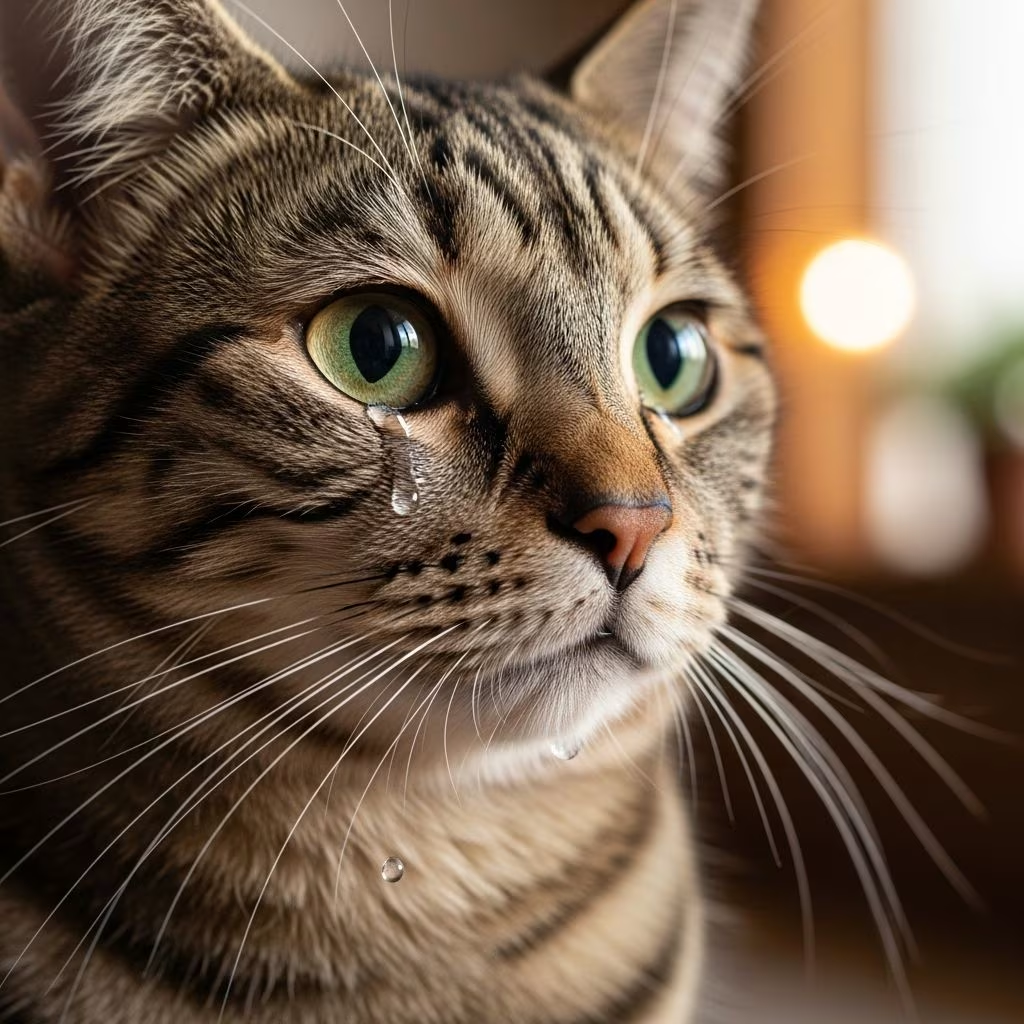
Can Cats Cry? The Truth About Feline Tears
When your cat makes those pitiful, sad-sounding meowing sounds, it’s natural to wonder: can cats actually cry? Many cat parents notice their feline companions with watery eyes and assume their pets are experiencing emotional distress. However, the reality of cat tears is more complex than it first appears. While cats can produce tears and vocalize in ways that sound like crying, they don’t cry in the same way humans do. Understanding the difference between emotional tears and physical tear production is essential for proper feline care and recognizing when your cat might need veterinary attention.
Can Cats Cry Tears?
The short answer is no—cats do not cry emotional tears like humans do. While cats can make sounds akin to crying, they don’t produce tears as a response to complex emotions such as sadness, grief, or joy. According to veterinary experts, cats lack the neurological complexity to cry from emotional distress. Instead, when a cat’s eyes water, it typically indicates a physical issue rather than an emotional one.
Cats do possess tear ducts and the biological capacity to produce tears, but these tears serve a purely functional purpose. Unlike human tears that are triggered by emotional responses, cat tears are produced to keep their eyes moist, remove debris, and protect the cornea from infection and foreign particles. This fundamental difference in tear production is one of the most important distinctions between feline and human crying.
How Cats Express Emotions Differently
Although cats don’t shed emotional tears, they absolutely experience emotions—just differently than humans. Cats express sadness, pain, stress, and other feelings through a combination of vocalizations, body language, and behavioral changes. Understanding these alternative communication methods is crucial for recognizing when your cat is genuinely distressed.
When a cat is experiencing sadness or emotional distress, they may display the following signs:
– Increased vocalization, including howling or excessive meowing- Hiding or withdrawing from family members- Reduced appetite or eating less than usual- Increased sleeping and reduced activity- Tucking their body into a tight ball- Decreased engagement in normal play or social activities- Flattened ears and changes in body posture
Understanding Cat Vocalizations
One of the primary ways cats communicate their emotional state is through sound. Cats use different types of vocalizations to convey different messages and emotions. When people describe their cats as “crying,” they’re often referring to these distinct vocal sounds rather than actual tear production. Cats may cry out due to hunger, pain, stress, loneliness, the desire for attention, or mating behavior. Kittens are particularly vocal, making crying noises when they’re hungry, cold, or scared, which is a normal part of their development and communication with their mothers and caregivers.
High-pitched meows and wails are common sounds associated with cat distress. These vocalizations can be quite dramatic and emotionally compelling to their human companions, which is why many people mistakenly believe their cats are crying in the emotional sense. Cats have learned that these sounds often elicit a response from their owners, making vocalization an effective communication tool.
Physical Reasons Why Cat Eyes Water
When you observe your cat with watery eyes, it’s essential to recognize that this is almost always a sign of a physical health issue rather than emotional distress. Eye watering in cats can result from various medical conditions and environmental factors. According to a 2021 study in the Journal of Veterinary Behavior, 65% of domestic cats show tear production caused by physical irritants, allergies, or mild infections.
Common Medical Causes of Cat Tears
| Cause | Symptoms | When to Contact Your Vet |
|---|---|---|
| Allergies | Watery eyes, sneezing, mild swelling around eyes | If symptoms persist more than 24 hours |
| Eye Infections (Conjunctivitis) | Yellow or green discharge, redness, swelling, pain | Immediately—requires treatment |
| Blocked Tear Ducts | Constant watery eyes, tear staining on cheeks | If staining worsens or discharge develops |
| Corneal Ulcers | Excessive tearing, squinting, eye pain, redness | Immediately—serious condition |
| Environmental Irritants | Temporary watery eyes without discharge | If symptoms persist beyond a few hours |
| Foreign Objects | Watery eyes, pawing at eye, redness | As soon as possible for examination |
Eye Infections in Cats
One of the most common reasons for watery eyes in cats is an eye infection. Feline conjunctivitis, commonly known as pink eye, is a frequent culprit. Eye infections in cats can be caused by pathogens such as Chlamydia felis, feline herpesvirus, and feline calicivirus. Cats with eye infections typically experience watery eyes, discharge, severe eye irritation, redness, and discomfort. If you notice these symptoms in your cat, veterinary care is essential to prevent the infection from worsening.
Allergies and Irritants
Dust, debris, pollen, and other environmental allergens can irritate your cat’s eyes, triggering tear production as a protective response. When cats encounter an allergen, their eyes react by releasing tears to flush out the irritant. You might notice your cat frequently blinking or pawing at their eyes as they attempt to relieve the discomfort. Common environmental irritants include household cleaning products, air fresheners, cigarette smoke, and seasonal allergens.
Blocked Tear Ducts
Some cats, particularly those with flat faces (brachycephalic breeds like Persians), experience tear drainage problems. Their facial structure makes it difficult for tears to drain properly, leading to constant staining around their eyes and face. If your cat has chronically watery eyes or persistent tear staining despite no other symptoms, a blocked tear duct may be the cause. Your veterinarian can perform procedures to flush the ducts and relieve the blockage.
Serious Eye Conditions
More serious eye conditions such as glaucoma and corneal ulcers can also cause excessive tearing in cats. These conditions cause constant pain, irritation, and discomfort that trigger tear production. When cats rub or paw at their eyes due to pain, they can inadvertently cause more damage, leading to increased tearing and discharge. These conditions require immediate veterinary attention to prevent vision loss.
When to Seek Veterinary Care
While not every instance of watery eyes requires emergency treatment, persistent or worsening eye watering should never be ignored. If your cat’s eyes remain watery for more than 24 hours, or if you notice discharge, redness, swelling, or your cat pawing constantly at their eyes, schedule a veterinary appointment as soon as possible. Early intervention can prevent minor issues from developing into serious conditions.
Additionally, if your cat is exhibiting behavioral changes alongside physical symptoms—such as refusing to eat, hiding more than usual, or excessive vocalization—these combined signs warrant a prompt veterinary evaluation. Your veterinarian can properly diagnose the underlying cause and recommend appropriate treatment.
Other Signs Your Cat May Be Distressed
Beyond watery eyes and crying sounds, cats display numerous behavioral and physical signs when they’re experiencing stress, pain, or emotional distress. Recognizing these signs helps you respond appropriately to your cat’s needs. Flattened or pinned-back ears are a classic sign of stress or fear in cats. A cat not eating is another serious behavioral change that often accompanies distress and requires veterinary attention. Senior cats with cognitive dysfunction may also cry when they’re confused or disoriented, particularly as they age and experience cognitive decline.
Additionally, an underlying health condition such as kidney disease or thyroid problems can cause excessive crying in cats. Excessive vocalization is a serious cause for concern and requires immediate veterinary attention to rule out medical issues.
Stress and Environmental Changes
Cats are sensitive creatures that respond strongly to environmental changes and stressors. Any alteration in their environment—such as moving to a new home, changes in their routine, new pets or family members, or even rearrangement of furniture—can cause stress and trigger vocalization. During these times, your cat may cry out more frequently as they adjust to their new circumstances. Providing extra attention, maintaining consistent routines, and creating safe spaces can help your cat feel more secure during transitions.
Frequently Asked Questions About Cat Crying
Can cats cry tears when sad?
No, cats do not cry tears like humans do when experiencing sadness. If their eyes are watering, it’s typically a sign of a physical issue such as irritation, injury, infection, or a chronic condition. Instead of emotional tears, cats show sadness through behavioral changes like hiding, reduced appetite, and decreased activity. See your veterinarian if watery eyes persist more than 24 hours.
Do cats cry in pain?
Cats can vocalize due to pain, but this is different from crying emotional tears. When experiencing pain, cats may produce watery eyes as a physical response, but the tears themselves are not caused by the pain—instead, the underlying condition causing the pain triggers tear production. Cats may also vocalize through meowing or yowling when in pain to communicate their distress to their owners.
What should I do if my cat’s eyes are watery?
If your cat has watery eyes, monitor the condition for 24 hours and watch for additional symptoms like discharge, redness, or pawing at the eyes. If watering persists beyond 24 hours or is accompanied by other symptoms, contact your veterinarian immediately for a proper diagnosis and treatment plan.
Are all cat tears a sign of medical issues?
Nearly all cases of actual tear production in cats indicate an underlying physical condition rather than an emotional response. The only exception would be normal tear production used to lubricate and protect the eyes, which is a natural biological function. Visible watery tears or tear staining almost always warrant veterinary investigation.
How can I tell the difference between emotional cat crying and medical eye issues?
Emotional “crying” in cats manifests primarily through vocalizations (meowing, yowling, wailing) and behavioral changes, not through tear production. Physical tear production is accompanied by symptoms like discharge, redness, swelling, or frequent blinking. If you observe actual tears or eye discharge along with your cat’s distressed vocalizations, a medical issue is likely present and veterinary care should be sought.
Conclusion: Understanding Your Cat’s Tears and Emotions
While cats cannot cry emotional tears like humans, they absolutely experience and express emotions in their own unique ways. Their vocalizations, body language, and behavioral changes communicate their feelings effectively to those who know how to interpret them. The key takeaway is that if you observe watery eyes in your cat, this is almost certainly a sign of a physical health issue requiring investigation rather than emotional distress. By understanding the distinction between cat crying sounds and actual tear production, and by recognizing the various causes of eye watering, you can better care for your feline companion and know when to seek professional veterinary guidance. When in doubt, consulting with your veterinarian ensures your beloved cat receives the appropriate care and attention they deserve.
References
- Can Cats Cry? Why Is My Cat Crying? — Chewy.com (Medically reviewed by Chewy vets). 2025. https://www.chewy.com/education/cat/health-and-wellness/can-cats-cry
- Do Cats Cry? Unveiling the Truth — SHEBA™ UK. 2025. https://www.uk.sheba.com/blog/bonding-care/can-cats-cry
- Can Cats Cry? Discover the Truth with Expert Insights — Purrfect Grooming. 2023. https://purrfectgrooming.pet/blog/b/can-cats-cry/
- Do Cats Cry Tears of Sadness? — HowStuffWorks Animals. 2025. https://animals.howstuffworks.com/pets/can-cats-cry.htm
- Do Cats Cry? — PetMD. 2024. https://www.petmd.com/cat/general-health/do-cats-cry
- Do Cats Cry? What Do Their Tears Mean? — Vet Organics. 2024. https://www.vet-organics.com/blogs/news/do-cats-cry
- Can Cats Cry? Explaining Cat Tears and Sadness — Noble Vet Clinic. 2024. https://noblevetclinic.com/blog/can-cats-cry



