

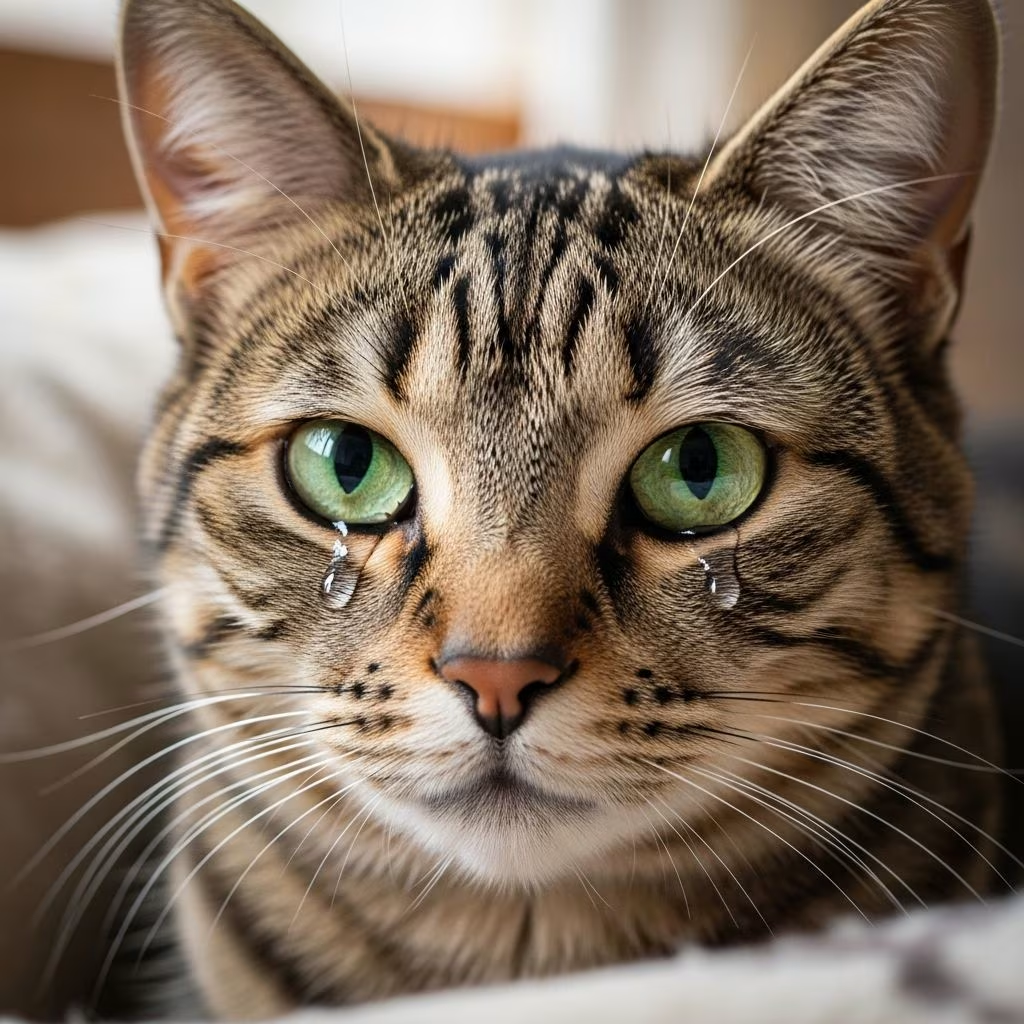
Can Cats Cry? The Truth About Feline Tears and Emotions
When your cat starts making those pitiful, sad-sounding meowing noises, your natural instinct is to wonder if they’re actually crying. The question “Can cats cry?” is one that many pet owners ask, especially when they observe their feline companions with watery eyes or hear distressing vocalizations. To get to the bottom of this common question, we consulted with veterinarians and animal behavior specialists to explore whether cats can truly cry, what cat crying sounds and looks like, and most importantly, how these beloved creatures communicate with us.
Can Cats Cry Tears?
The short answer is: cats can produce tears, but they don’t cry in the same way humans do. While cats have tear ducts similar to ours, these structures serve a purely functional purpose rather than an emotional one. According to veterinary experts, cats do not produce tears in response to complex emotions like sadness, grief, or joy the way humans do.
As explained by Carly Fox, DVM, senior veterinarian in the Emergency & Critical Care Department at Animal Medical Center in New York City: “While cats can cry due to stress, pain, loneliness, or for attention, they do not produce tears in the traditional sense and do not have complex emotions like people do.”
The key distinction is that when you see your cat’s eyes watering, this is typically a sign of an underlying physical issue rather than an emotional response. Understanding this difference is crucial for cat owners who want to properly care for their pets and recognize when veterinary attention might be necessary.
How Cat Tears Work: The Science Behind Feline Eye Moisture
Tear production in cats serves an essential biological function. Cats have tear glands located above their eyes that continuously produce a thin layer of protective moisture. This natural tear production keeps their eyes moist, removes debris and foreign particles, and protects the delicate cornea from infection and damage.
The tears that cats produce are fundamentally different from human emotional tears. While human tears are triggered by emotional stimuli and contain different chemical compositions depending on the emotion experienced, cat tears are purely physiological. They exist solely to maintain eye health and function, not to express feelings or emotions. This is an important distinction that helps pet owners understand what their cat’s watery eyes actually mean.
What Does Cat Crying Look and Sound Like?
While cats don’t cry in the emotional sense, they do display several physical and vocal signs that owners often interpret as crying. Understanding these signs can help you better communicate with your feline companion and recognize when something might be wrong.
Physical Signs of Cat Distress:
- High-pitched meows or wails that sound mournful or distressed
- Watery or teary eyes without discharge
- Squinting or partially closed eyes
- Pawing or rubbing at their eyes frequently
- Flattened or backward-facing ears
- Changes in eating habits or appetite loss
- Withdrawn behavior or hiding
- Excessive vocalization or yowling
These behaviors collectively might make it appear that your cat is crying, but each one actually serves a different communicative or medical purpose. The vocalizations are your cat’s primary way of communicating distress, hunger, attention-seeking, or pain, while physical signs like eye watering or pawing at eyes typically indicate a medical issue requiring attention.
Why Do Cats Cry? Common Reasons Behind Feline Vocalizations
Cats vocalize and display signs of distress for a variety of reasons. Understanding these different triggers can help you respond appropriately to your cat’s needs.
Hunger and Basic Needs: Kittens and adult cats often cry or meow loudly when they’re hungry, thirsty, or need to use the litter box. This is one of the most common reasons for increased vocalization and is typically easy to address by providing food, water, or access to their bathroom area.
Attention-Seeking Behavior: Many cats learn that vocalizing gets their human’s attention. Some felines will cry to be petted, played with, or simply acknowledged. This is particularly common in cats that have learned this behavior is rewarded with interaction.
Stress and Environmental Changes: Cats are sensitive creatures that can become stressed by changes in their environment. Moving to a new home, introducing new pets or family members, rearranging furniture, or even changes in their routine can trigger distressed vocalizations and behavioral changes.
Pain and Physical Discomfort: When cats experience pain from an injury, illness, or chronic condition, they may vocalize more frequently. Cats are known for hiding their pain, but increased crying or meowing can be a sign that something physical is wrong.
Mating Behavior: Unspayed female cats in heat will vocalize intensely and frequently. This is a natural biological behavior and is one of the loudest types of feline crying.
Loneliness and Separation Anxiety: Some cats form strong bonds with their owners and become distressed when left alone. Extended periods of solitude can trigger excessive vocalization and anxious behavior.
Physical Reasons for Watery Cat Eyes
When you notice your cat’s eyes watering, it’s important to recognize that this is almost always a physical issue rather than an emotional response. Several medical conditions and environmental factors can cause excessive tearing in cats.
Allergies
Cats can suffer from allergies just like humans do. Dust, pollen, mold, certain foods, or environmental irritants can trigger allergic reactions that manifest as watery eyes. You might notice accompanying symptoms such as sneezing, mild swelling around the eyes, or your cat pawing at their face more frequently.
Eye Infections
Various pathogens can cause eye infections in cats, including feline herpesvirus, feline calicivirus, and Chlamydia felis. One common infection is conjunctivitis, often called pink eye. Infected eyes typically display watery discharge (which may be clear, yellow, or green), redness, swelling, and noticeable discomfort. Eye infections require prompt veterinary treatment to prevent complications.
Blocked Tear Ducts
Sometimes a cat’s tear duct becomes blocked, preventing normal tear drainage. This condition is particularly common in flat-faced (brachycephalic) cat breeds whose facial structure makes tear drainage more difficult. A blocked duct can lead to constant watery eyes and tear staining on the fur around the eyes. A veterinarian can perform a duct flushing procedure to resolve this issue.
Environmental Irritants
Smoke, strong chemicals, dust, or other environmental irritants can temporarily cause watery eyes in cats. This usually resolves on its own once the irritant is removed from the environment, but persistent watering warrants a veterinary visit.
Corneal Ulcers and Eye Injuries
Injuries to the eye surface or conditions like corneal ulcers cause significant pain and irritation, triggering tear production as a protective response. These conditions are serious and require immediate veterinary attention.
Glaucoma and Other Chronic Conditions
Chronic eye diseases like glaucoma involve sustained pressure and discomfort within the eye, which can lead to excessive tearing, redness, and obvious signs of pain.
How Cats Actually Express Emotions
Since cats don’t cry emotional tears, how do they communicate their feelings? Cats are incredibly nuanced communicators, and they express emotions through a combination of body language, vocalizations, and behavioral changes.
Signs of Sadness or Unhappiness: A sad or distressed cat may become withdrawn and distant from their owner. They might hide in quiet places, eat less than usual, sleep more, or tuck themselves into a tight ball. Some cats may also become quieter or less vocal than their normal baseline behavior.
Body Language: A cat’s ears, tail, and posture communicate volumes about their emotional state. Flattened ears indicate fear or aggression, a tucked tail suggests anxiety, and a relaxed posture with an upright tail indicates contentment. Slow blinks are actually signs of affection and trust.
Vocalization Patterns: Different meows, chirps, and yowls serve different purposes. A cat might have specific meows for hunger, greeting, or requesting attention. Excessive yowling can indicate stress, confusion (especially in senior cats), or medical issues.
When Excessive Crying Requires Veterinary Attention
While some cat crying is normal and expected, excessive or sudden changes in vocalization patterns warrant veterinary evaluation. Persistent watery eyes lasting more than 24 hours, signs of eye discharge, redness, or swelling should be examined by a veterinarian. Additionally, any sudden increase in vocalization accompanied by other behavioral changes, appetite loss, or lethargy could indicate an underlying health condition such as kidney disease, thyroid problems, or neurological issues. Senior cats with cognitive dysfunction may cry when confused or disoriented, and this also requires professional assessment.
Frequently Asked Questions About Cat Crying
Q: Can cats cry tears when they’re sad?
A: No, cats do not produce emotional tears like humans do. If their eyes are watering, it’s typically a sign of a physical issue such as irritation, injury, infection, or a chronic condition. If the watering persists beyond 24 hours, consult your veterinarian for evaluation.
Q: Do cats cry in pain?
A: Cats may vocalize (meow or howl) when experiencing pain, but they don’t produce emotional tears. Pain-related vocalizations are often accompanied by other signs such as limping, reluctance to move, loss of appetite, or behavioral changes. If you suspect your cat is in pain, seek veterinary care promptly.
Q: What should I do if my cat’s eyes are watering?
A: Observe whether the watering is temporary or persistent. If it continues beyond 24 hours, is accompanied by discharge, redness, or swelling, or if your cat seems to be in discomfort, schedule a veterinary appointment. Your vet can determine whether the watering is due to allergies, infection, blocked ducts, or other issues.
Q: How can I tell the difference between cat vocalization for attention and vocalization indicating pain?
A: Attention-seeking meows are typically intermittent and may decrease when you engage with your cat. Pain-related vocalizations are often persistent, may sound more distressed, and are usually accompanied by other behavioral changes, lethargy, or physical signs of discomfort.
Q: Are flat-faced cat breeds more prone to watery eyes?
A: Yes, brachycephalic (flat-faced) cat breeds often have tear drainage issues due to their facial structure, making it harder for tears to drain properly. This can lead to constant watery eyes and tear staining. Regular cleaning and veterinary monitoring can help manage this condition.
Q: Why does my kitten cry so much?
A: Kittens cry for various reasons including hunger, cold, fear, loneliness, or the need to use the litter box. Ensure your kitten has access to food, water, warmth, and a clean litter box. If excessive crying persists or you notice other signs of illness, consult your veterinarian.
References
- Can Cats Cry? Why Is My Cat Crying? — Chewy.com. 2025. https://www.chewy.com/education/cat/health-and-wellness/can-cats-cry
- Do Cats Cry? Unveiling the Truth — SHEBA™ UK. 2025. https://www.uk.sheba.com/blog/bonding-care/can-cats-cry
- Can Cats Cry? Discover the Truth with Expert Insights — Purrfect Grooming. 2025. https://purrfectgrooming.pet/blog/b/can-cats-cry/
- Do Cats Cry Tears of Sadness? — IFLScience. 2025. https://www.iflscience.com/do-cats-cry-69569
- Do Cats Cry? — PetMD. 2025. https://www.petmd.com/cat/general-health/do-cats-cry
- Do Cats Cry? What Do Their Tears Mean? — Vet Organics. 2025. https://www.vet-organics.com/blogs/news/do-cats-cry
- Can Cats Cry? Explaining Cat Tears and Sadness — Noble Vet Clinic. 2025. https://noblevetclinic.com/blog/can-cats-cry



