

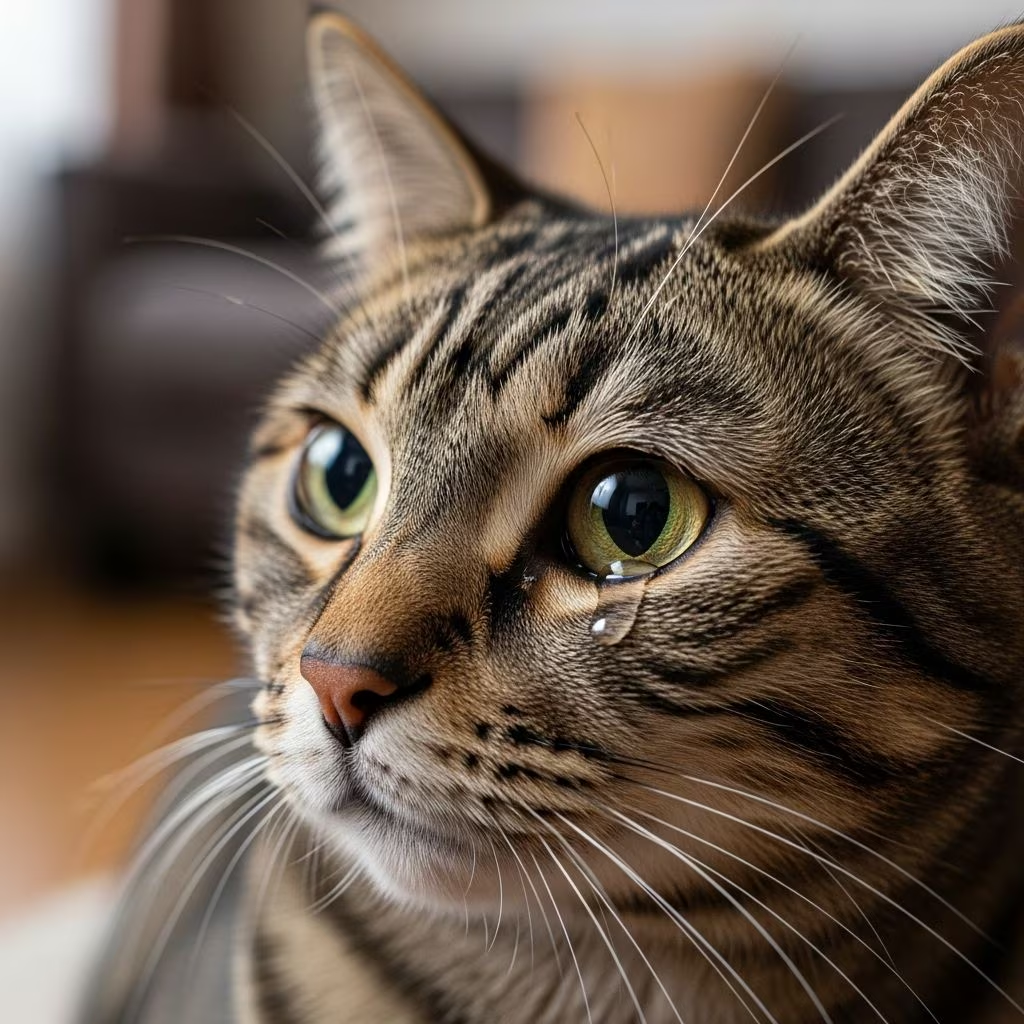
Cats do not cry emotional tears like humans; instead, they express emotions through vocalizations such as meowing, moaning, and body language, while physical tears usually indicate medical issues.
Observing a cat with watery eyes or hearing persistent vocalizations often prompts concern among pet owners. Unlike humans, where tears are tied to emotions, feline tears stem from physiological causes. This article delves into cat emotions, types of crying, reasons behind vocalizations and tears, and when to seek veterinary help, ensuring cat owners can accurately interpret and respond to their pets’ signals.
Do Cats Have Emotions?
Research confirms that cats experience a range of emotions and can recognize emotions in humans and other cats through integrated visual and auditory cues.
Cats form mental representations of emotions, modulating their behavior accordingly. For instance, they show heightened stress to negative signals like a conspecific hiss or human anger, looking longer at matching facial expressions and vocalizations. This cross-modal recognition highlights their emotional intelligence, adapted from living alongside humans.
While cats feel joy, fear, stress, and affection, they convey these subtly. A stressed cat might hide, flick its tail, or tuck its body tightly, rather than shedding tears. Pet owners often misinterpret these cues by anthropomorphizing, projecting human responses onto felines.
Do Cats Cry Tears?
Cats possess tear ducts and produce tears for lubrication and eye protection, but not for emotional release as humans do.
Emotional distress in cats manifests through behavioral changes—withdrawal, reduced eating, excessive sleeping, or increased vocalizing like howling—rather than tears. Physical tears signal irritation, infection, or blockages, requiring medical attention. Understanding this distinction prevents overlooking health problems mistaken for sadness.
Types of Cat Crying
Cat “crying” refers to vocal and behavioral expressions, not tears. Common types include:
- Meowing: Primarily a demand for attention, food, or interaction; varies in pitch and volume to convey urgency.
- Moaning or Howling: Indicates pain, stress, or disorientation, often deeper and prolonged.
- Hissing: A defensive warning signaling fear or aggression.
- Purring: Can express contentment but also pain or stress in context; acoustic variations alter its meaning.
- Chirping or Chattering: Excitement or frustration, like when spotting prey.
These vocalizations, combined with non-verbal cues like ear positioning and tail movement, form a rich communication system unique to cats.
Reasons Your Cat’s Crying
Cat crying—vocal or tear-related—arises from emotional or medical triggers. Here’s a breakdown:
Emotional Reasons
- Hunger or Thirst: Persistent meowing signals unmet basic needs.
- Boredom or Loneliness: Excessive vocalizing in understimulated environments.
- Stress or Anxiety: Changes like new pets, moves, or absences prompt hiding and moaning.
- Mating Calls: Unneutered cats yowl loudly during heat cycles.
- Attention-Seeking: Learned behavior where crying yields rewards like food or play.
Medical Reasons for Tears
Watery eyes (epiphora) often point to health issues:
| Condition | Symptoms | Common Causes |
|---|---|---|
| Conjunctivitis | Redness, discharge, squinting | Bacterial/viral infection, allergies |
| Blocked Tear Ducts | Constant tearing, overflow | Congenital issues, inflammation |
| Upper Respiratory Infection | Sneezing, nasal discharge | Herpesvirus, calicivirus |
| Corneal Ulcers | Pain, pawing at eye | Trauma, foreign bodies |
| Dental Disease | Bad breath, drooling | Tooth root abscess draining to eye |
Investigative steps include monitoring for additional symptoms like lethargy or appetite loss to differentiate causes.
When to See a Vet
Consult a veterinarian if crying persists beyond 24-48 hours, accompanies tears with discharge, or includes concerning signs like limping, vomiting, or behavioral shifts.
Early intervention prevents complications; for example, untreated infections can lead to vision loss. Diagnostic tools like eye staining or imaging pinpoint issues. Emotional crying may resolve with environmental enrichment, but rule out medical causes first.
How to Comfort a Crying Cat
Address root causes effectively:
- Provide routine feeding, play, and litter access to reduce stress-induced vocalizing.
- Use pheromone diffusers or safe spaces for anxious cats.
- Avoid reinforcing attention-seeking cries; respond calmly without rewards.
- For pain, gentle handling and vet-prescribed analgesics help.
- Neutering curbs mating-related yowls.
Observe patterns: nighttime crying might indicate hyperthyroidism in seniors, while sudden onset suggests acute pain.
Do Cats Cry? FAQs
Can cats cry tears when they’re sad?
No, cats do not produce emotional tears for sadness; they withdraw, vocalize, or alter behavior instead.
Why does my cat cry tears?
Tears result from medical issues like infections, allergies, or duct blockages, not emotions.
Is a cat crying good or bad?
It depends: joyful chirps are positive, but moaning or tearing often signals distress or illness.
Should you let a cat cry?
Comfort stressed or pained cats, but avoid rewarding attention-seeking to prevent habits; investigate causes.
Do kittens cry more than adult cats?
Yes, kittens meow frequently for maternal care, decreasing with age as independence grows.
Understanding Feline Communication
Beyond crying, cats use a sophisticated language of tail flicks, ear twitches, and pupil dilation. Research shows they distinguish positive (purr, happiness) from negative (hiss, anger) signals, responding with appropriate stress levels. This emotional attunement fosters strong human-cat bonds.
Pet parents benefit from learning these cues, enhancing welfare. For instance, slower blinks convey trust, while flattened ears warn of agitation.
In multi-cat homes, inter-cat dynamics influence crying; resource guarding or bullying prompts defensive vocalizations.
Preventing Excessive Crying
Proactive care minimizes distress:
- Regular vet check-ups detect issues early.
- Enriched environments with toys, scratching posts, and perches combat boredom.
- Consistent routines stabilize anxious cats.
- Balanced diet prevents hunger cries.
Senior cats may cry from cognitive decline; supplements like omega-3s support brain health.
References
- Do Cats Cry? – PetMD — PetMD. 2023. https://www.petmd.com/cat/general-health/do-cats-cry
- Emotion Recognition in Cats — PMC – PubMed Central. 2020-07-22. https://pmc.ncbi.nlm.nih.gov/articles/PMC7401521/
- Can Cats Cry Tears of Sadness? — HowStuffWorks. 2023. https://animals.howstuffworks.com/pets/can-cats-cry.htm



