

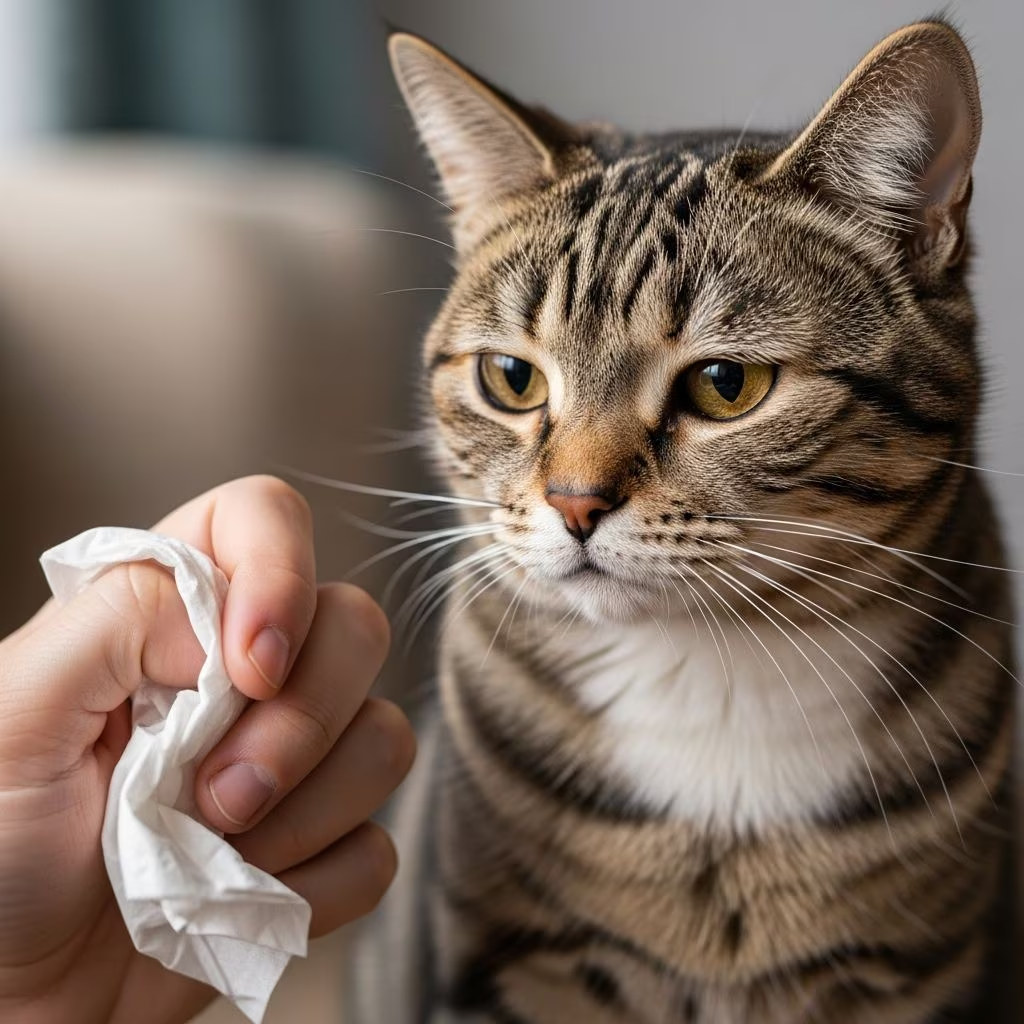
Cats can indeed catch certain human influenza viruses, such as seasonal flu strains including H1N1, though this transmission—known as reverse zoonosis—is uncommon. Close contact between infected humans and cats facilitates the spread, but cat-specific “cat flu” from feline herpesvirus or calicivirus cannot pass to humans.
What Is Cat Flu?
“Cat flu” typically describes upper respiratory infections (URIs) in cats caused primarily by feline herpesvirus-1 (FHV-1) and feline calicivirus (FCV), not true influenza viruses like those affecting humans. These feline pathogens lead to symptoms resembling a human cold, such as sneezing, nasal discharge, and eye issues, but they are highly contagious among cats via direct contact, shared surfaces, or respiratory droplets.
Unlike human flu, cat flu viruses are species-specific and do not transmit between humans and cats. However, cats can contract human seasonal influenza A (IVA) viruses, as evidenced by studies showing genetic similarities between humans and cats increase susceptibility.
- Feline Herpesvirus (FHV-1): Causes sneezing, conjunctivitis, and fever; often lifelong carriers after recovery.
- Feline Calicivirus (FCV): Leads to oral ulcers, limping, and respiratory signs; multiple strains exist.
- Secondary causes: Bacteria like Bordetella bronchiseptica or Chlamydia felis exacerbate symptoms.
Can Cats Get the Flu from Humans?
Yes, cats can become infected with human influenza viruses, particularly through close interactions like cuddling, kissing, or sharing bedding. A study published in Influenza and Other Respiratory Viruses by researchers at Duke Kunshan University confirmed human seasonal IVA transmission to cats via nasal secretions and close contact, with infected cats showing mild to moderate symptoms like sneezing and coughing—no fatalities reported.
The CDC notes that while uncommon, people can infect cats with seasonal flu, avian influenza, or H1N1 (swine flu), especially during outbreaks like the 2009 pandemic where documented cases occurred. Transmission happens via respiratory droplets from coughing/sneezing or direct contact with saliva/mucus.
| Transmission Pathway | Description | Risk Level |
|---|---|---|
| Direct Contact | Petting, licking, nuzzling; virus on fur from grooming. | High with sick owners |
| Droplets | Coughing/sneezing near cat; enters eyes/nose/mouth. | Moderate |
| Surfaces | Contaminated bedding, bowls; cats groom off virus. | Low to moderate |
Vulnerable cats include kittens, seniors, and immunocompromised ones, mirroring human risk groups. Globally, with 600 million cats often in close human proximity, reverse zoonosis poses emerging concerns for pathogen evolution.
Symptoms of Flu in Cats
Influenza-infected cats exhibit respiratory signs similar to human flu: sneezing, coughing, dyspnea, nasal/ocular discharge, lethargy, and reduced appetite. Avian strains may cause severe illness or death, but seasonal human flu typically results in mild cases.
Distinguish from cat flu: FCV/FHV-1 adds oral ulcers, drooling, and corneal issues. Monitor for secondary bacterial infections worsening pneumonia or dehydration.
- Mild symptoms: Runny nose/eyes, sneezing, mild fever.
- Severe symptoms: Difficulty breathing, high fever, blue gums—seek vet immediately.
- Duration: 10-14 days typically; carriers shed virus longer.
Can Humans Get the Flu from Cats?
Transmission from cats to humans is rare and poorly documented, per CDC. Risk depends on virus type, exposure intensity, and duration; high-risk humans (e.g., elderly, immunocompromised) should avoid sick pets. Rare avian flu cat-to-human cases exist, but seasonal flu risk remains low.
Cats may serve as reservoirs, potentially evolving viruses, but no major public health threats confirmed yet.
How Do Cats Catch the Flu?
Cats acquire human flu via:
- Direct exposure to infected owners’ respiratory secretions.
- Aerosolized droplets from sneezes/coughs.
- Indirectly from contaminated environments (bedding, food bowls).
Cat flu spreads cat-to-cat through saliva, discharges, or fomites; isolate sick cats.
Cat Flu vs. Human Flu: Key Differences
| Aspect | Cat Flu (FHV-1/FCV) | Human Flu in Cats (IVA) |
|---|---|---|
| Cause | Feline viruses/bacteria | Human seasonal/avian influenza |
| Human Transmission | No | Possible to cats (rare from cats to humans) |
| Symptoms | URI, ulcers, lameness | Respiratory signs, mild-moderate |
| Vaccine | FVRCP core vaccine | None specific; human flu vaccine for owners |
Treatment for Flu in Cats
No antiviral cure for most cases; supportive care is key:
- At home: Hydration, steam therapy, appetite stimulants, clean discharges gently.
- Vet care: Antibiotics for secondary infections, fluids, oxygen, anti-inflammatories.
- Severe cases: Hospitalization for pneumonia.
Recovering cats may become carriers; monitor for flares.
Prevention: How to Protect Your Cat
Vaccination: Core FVRCP protects against cat flu; owners should get annual flu shots to reduce reverse zoonosis.
During illness:
- Limit contact: No snuggling, kissing while sick.
- Hygiene: Wash hands, disinfect surfaces/bedding.
- Isolation: Keep cat away from secretions; fresh food/water.
General tips: Quarantine new cats, avoid stray contact, maintain strong immunity via diet/stress reduction.
Frequently Asked Questions (FAQs)
Can cats get the flu from humans?
Yes, though uncommon, cats can catch human seasonal influenza like H1N1 via close contact.
Is cat flu contagious to humans?
No, feline herpesvirus and calicivirus do not infect humans.
How long does cat flu last?
Most cases resolve in 10-14 days, but severe ones may linger a month; carriers shed intermittently.
Can cats get H1N1 from owners?
Yes, documented during 2009 pandemic; symptoms mimic human flu.
Should I vaccinate my cat against flu?
FVRCP covers cat flu; no specific human flu vaccine, but owner vaccination helps prevent transmission.
What if my cat shows flu symptoms?
Contact vet promptly; early intervention prevents complications like pneumonia.
This comprehensive guide equips cat owners to safeguard feline health amid flu season risks. Prioritize hygiene and veterinary advice for peace of mind.
References
- Humans Can Get Their Cats Sick with Seasonal Flu — Duke Kunshan University Global Health. 2023. https://globalhealth.dukekunshan.edu.cn/news/humans-can-get-their-cats-sick-with-seasonal-flu/
- Can Cats Catch the Flu or a Cold? — Hill’s Pet Nutrition. Accessed 2026. https://www.hillspet.com/cat-care/healthcare/can-cats-get-flu-cold-virus
- About Cat Flu | Influenza in Animals — Centers for Disease Control and Prevention (CDC). Accessed 2026. https://www.cdc.gov/flu-in-animals/about/cat-flu.html
- Can Cats Get The Flu? Symptoms, Causes, and Treatment — PetMD. Accessed 2026. https://www.petmd.com/cat/conditions/infectious-parasitic/c_ct_cat_flu_H1N1_influenza_infection
- Feline Upper Respiratory Infection (Cat Flu) — Trudell Animal Health. Accessed 2026. https://trudellanimalhealth.com/blogs/blog/feline-upper-respiratory-infection-cat-flu-what-it-is-signs-amp-symptoms-and-how-to-treat-it



