

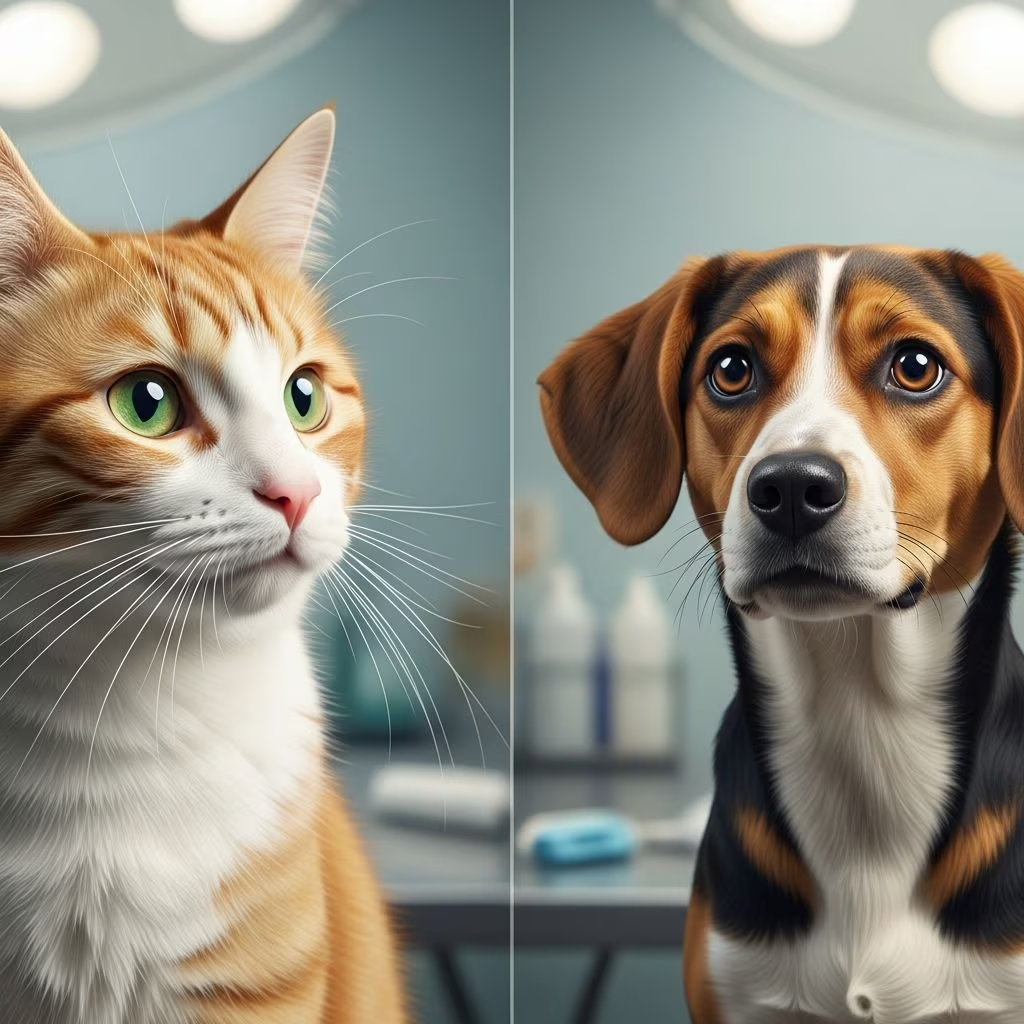
Parvovirus poses a serious risk to pets, but the key question for many multi-pet households is whether cats can contract this virus from dogs. While feline and canine strains differ, rare cross-infections are possible with certain mutated variants, though feline panleukopenia virus remains the primary concern for cats.
Understanding Parvovirus in Pets
Parvoviruses belong to the Parvoviridae family, affecting rapidly dividing cells in the gastrointestinal tract and immune system of susceptible animals. In dogs, canine parvovirus (CPV), particularly strains like CPV-2a, CPV-2b, and CPV-2c, causes severe vomiting, diarrhea, and often fatal outcomes in unvaccinated puppies. Cats face feline panleukopenia virus (FPV), also called feline parvovirus or cat parvo, which targets white blood cells, intestinal lining, and bone marrow, leading to high fever, lethargy, and dehydration.
These viruses share genetic similarities since CPV evolved from FPV in the late 1970s, but they are generally species-specific. FPV primarily infects cats, while CPV targets dogs. However, research shows some CPV variants can infect feline cells, creating potential for rare crossover events, especially in high-exposure settings like shelters.
Risks of Cross-Species Transmission
The notion that cats routinely catch dog parvo is a common myth. Standard CPV does not infect cats, but evolved strains (CPV-2a to 2c) have demonstrated the ability to replicate in feline hosts under experimental conditions. Field cases remain exceedingly rare, with most cat infections stemming from FPV.
| Aspect | Feline Parvovirus (FPV) | Canine Parvovirus (CPV) |
|---|---|---|
| Primary Host | Cats | Dogs |
| Key Strains | FPV (single major type) | CPV-2, 2a, 2b, 2c |
| Cross-Infection Potential | Rarely affects dogs | Some variants infect cats rarely |
| Environmental Survival | Up to 1 year | Months in ideal conditions |
This table highlights critical distinctions, emphasizing that while similarities exist in transmission and symptoms, cross-species jumps are not the norm.
How Feline Parvovirus Spreads in Households
FPV transmits efficiently through multiple routes, making it a stealthy threat even in clean homes. Key pathways include:
- Direct contact: Nose-to-nose greetings, grooming, or fights with infected cats expose healthy ones to saliva, urine, or feces.
- Indirect exposure: Contaminated litter boxes, food bowls, bedding, or toys harbor the virus for months.
- Human vectors: Owners unwittingly carry virus particles on shoes, clothes, or hands after visiting parks, vets, or shelters.
- Flea-mediated: Fleas feeding on infected cats can transfer FPV to new hosts.
- Airborne traces: Dried fecal dust in multi-cat environments.
In homes with dogs, the risk escalates if a dog has CPV, as shared spaces like yards or carpets could theoretically facilitate rare variant transmission. Quarantine affected dogs immediately and monitor cats closely.
Recognizing Early Warning Signs
Symptoms of FPV mimic CPV but strike kittens hardest, with mortality rates up to 90% in unvaccinated young cats. Initial signs appear 2-10 days post-exposure:
- Sudden high fever (over 104°F)
- Profuse watery diarrhea, often bloody
- Vomiting, leading to rapid dehydration
- Lethargy and weakness
- Loss of appetite and abdominal pain
- White blood cell crash (leukopenia), confirmed via blood tests
Adult cats may show milder signs due to partial immunity, but pregnant queens risk fetal resorption or cerebellar hypoplasia in kittens—permanent neurological issues like uncoordinated movement.
Diagnosis and Veterinary Intervention
Vets diagnose FPV through fecal ELISA tests detecting viral antigens, blood counts revealing leukopenia, and ruling out other causes like coronavirus or bacterial infections. Unlike dogs, where supportive care often suffices, feline cases demand aggressive hospitalization:
- IV fluids to combat shock and dehydration
- Anti-emetics and antibiotics for secondary infections
- Broad-spectrum antibiotics to prevent sepsis
- Nutritional support via feeding tubes if needed
- Isolation to curb spread
Survival hinges on early intervention; with optimal care, rates climb to 80-90%.
Prevention: The Cornerstone of Protection
Vaccination forms the bedrock of FPV defense. Core feline vaccines include FPV in combination shots (FVRCP), starting at 6-8 weeks with boosters every 3-4 weeks until 16 weeks, then annually or every three years based on lifestyle and vet advice. Unvaccinated cats, especially strays or shelter adoptions, face highest peril.
Beyond shots, implement strict hygiene:
- Disinfect with 1:32 bleach solution (holds 10 minutes), as FPV resists many cleaners.
- Separate litter boxes and feeding areas in multi-pet homes.
- Avoid dog parks or areas with parvo outbreaks if housing cats.
- Quarantine new pets for 2-4 weeks.
- Use flea preventives year-round.
For mixed households, vaccinate both species fully and monitor for outbreaks.
Living with Dogs and Cats Safely
Multi-pet homes thrive with vigilance. Bathe pets weekly, launder bedding in hot water, and restrict outdoor roaming. If a dog shows CPV signs—lethargy, bloody stools—separate it from cats instantly, as mutated strains pose minimal but real risk. Consult vets for tailored protocols, including titer testing to gauge immunity without over-vaccinating.
Puppies and kittens under 6 months are most vulnerable, so delay introductions until fully vaccinated. Indoor-only lifestyles slash exposure dramatically.
FAQs on Parvovirus and Cats
Is cat parvo fatal?
Yes, especially in kittens; up to 90% mortality without treatment, but prompt care boosts survival.
Can humans spread parvo between pets?
Humans don’t get infected but carry virus on skin, clothes, and shoes—wash hands rigorously.
How long does parvo live on surfaces?
FPV endures up to a year in cool, dry conditions; bleach is essential for eradication.
Do indoor cats need parvo vaccines?
Absolutely—virus enters via owners or fleas; vaccination is non-negotiable.
What if my cat contacts a parvo dog?
Isolate, monitor for 10 days, and vaccinate if not current; rare crossover possible.
Long-Term Management and Recovery
Surviving cats develop lifelong immunity to FPV but remain carriers, shedding virus intermittently. Recovered felines need annual wellness checks, as immunosuppression from age or illness reactivates risks. Neurological kittens from in-utero exposure require supportive care—soft foods, ramps, and confined spaces to manage ataxia.
Owners should track vaccination histories meticulously, using apps or records. Community education prevents shelter outbreaks, where unvaccinated strays amplify spread. By prioritizing prevention, pet parents ensure harmonious, healthy homes for generations of cats and dogs.
References
- Can Cats get Parvovirus from Dogs? — Canna-Pet. 2023. https://canna-pet.com/articles/can-cats-get-parvovirus-from-dogs/
- What to Know About Feline Parvovirus — WebMD. 2024-01-15. https://www.webmd.com/pets/cats/what-to-know-about-feline-parvovirus
- Do Cats Get Parvo? What Vets Say & How to Keep Them Safe? — Michu Pet. 2024. https://michupet.com/blogs/pet-care/can-cats-get-parvo
- Canine parvovirus in asymptomatic feline carriers — PubMed (Peer-reviewed). 2012-01-01. https://pubmed.ncbi.nlm.nih.gov/22257775/
- Can Cats Get Parvo? — Cornerstone Veterinary Hospital. 2023-05-20. https://cvhcp.com/blog/can-cats-get-parvo/



