

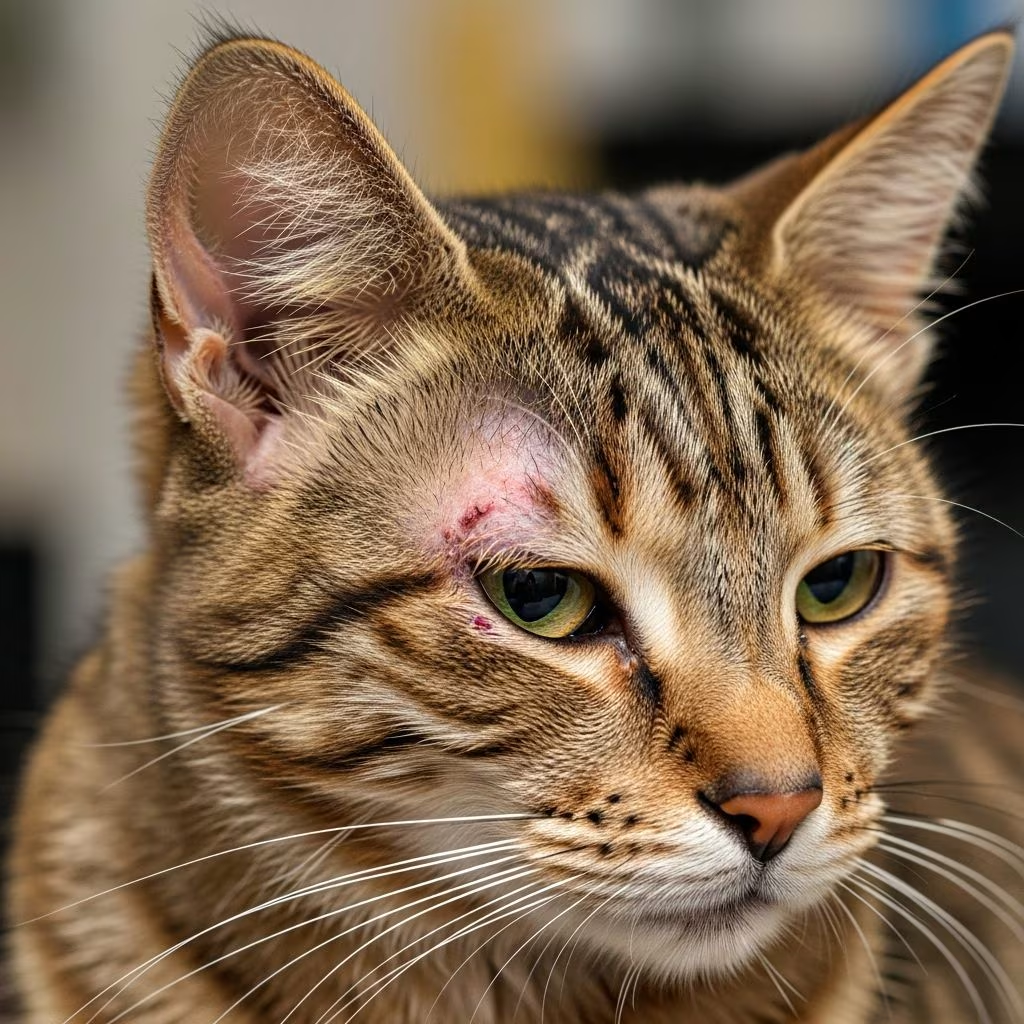
Mange is a skin condition in cats caused by parasitic mites that burrow into the skin, leading to intense itching, hair loss, and potential secondary infections. While less common in cats than in dogs, cats can indeed catch mange from infested animals or environments, with types including sarcoptic (scabies), demodectic, and notoedric varieties.
What Is Mange in Cats?
Mange, also known as scabies or acaridiasis, refers to infestations by mites such as Sarcoptes scabiei, Notoedres cati, or Demodex cati. These microscopic parasites cause dermatitis by tunneling into the skin or feeding on skin cells and oils. Sarcoptic mange is highly contagious to other cats and sometimes humans, while demodectic mange often links to underlying immune issues.
In cats, notoedric mange (head scabies) is more prevalent than sarcoptic, starting on the ears and face before spreading. Unlike dogs, feline mange rarely affects the whole body unless untreated. Early detection is crucial as untreated cases lead to crusting, ulcers, and bacterial infections.
Types of Mange in Cats
- Sarcoptic Mange (Scabies): Caused by Sarcoptes scabiei mites, highly itchy and contagious via direct contact. Rare in cats but spreads from dogs or foxes.
- Notoedric Mange: From Notoedres cati, common in cats, beginning on head/ears and spreading body-wide if severe.
- Demodectic Mange: Due to Demodex cati, often in kittens or immunocompromised cats (e.g., FIV/FeLV positive). Localized or generalized.
- Cheyletiella (Walking Dandruff): Larger mites causing flaky skin, mildly contagious.
| Type | Mite Species | Contagiousness | Common Sites |
|---|---|---|---|
| Sarcoptic | Sarcoptes scabiei | High (cats, dogs, humans) | Body-wide |
| Notoedric | Notoedres cati | High (cats) | Ears, face, body |
| Demodectic | Demodex cati | Low | Localized patches |
Symptoms of Mange in Cats
Cats with mange exhibit severe pruritus (itching), leading to frantic scratching, head rubbing, and self-trauma. Common signs include alopecia (hair loss), especially on ears, face, and limbs; hyperkeratosis (thickened, crusty skin); erythematous (red) lesions; and papules or scales.
- Intense itching worsening at night
- Hair loss in patches, often symmetrical
- Crusts, scabs, and oozing sores
- Secondary bacterial infections causing odor or pus
- Lethargy or anorexia in severe cases
Demodectic mange may show milder symptoms like bald spots around eyes or paws, while sarcoptic/notoedric causes rapid progression. Human transmission from sarcoptic mange presents as itchy papules, resolving without treatment.
Causes and Transmission of Mange
Mange spreads through direct contact with infected animals or contaminated bedding/environment. Sarcoptic and notoedric mites survive off-host briefly (days), facilitating spread in multi-pet homes or catteries. Demodex is normal skin flora, proliferating due to immunosuppression from stress, illness, poor nutrition, or genetics.
Feral/stray cats in close quarters are at higher risk. Indoor cats catch it from outdoor exposures or infested dogs. Zoonotic potential exists mainly with sarcoptic mites.
Diagnosis of Mange in Cats
Veterinarians diagnose via clinical signs, skin scrapings, or tape preps examined microscopically for mites/eggs. Deep scrapings are needed as mites are few and burrow deep. False negatives occur, so therapeutic trials with antiparasitics confirm if symptoms resolve.
For demodex, rule out comorbidities with bloodwork (FeLV/FIV tests), urinalysis, or imaging. Differential diagnoses include flea allergy, ringworm, allergies, or cheyletiellosis.
Treatment for Mange in Cats
Treatment requires veterinary prescription; never use OTC products, as many are toxic to cats (e.g., permethrin). Options target mites plus manage secondary issues:
- Topical/Spot-on: Selamectin (Revolution®), fluralaner (Bravecto®), moxidectin (Advantage Multi®).
- Injectable/Oral: Ivermectin (200 mcg/kg SC/PO, 2-4 doses 2 weeks apart; caution in sensitive breeds).
- Dips: Lime sulfur (weekly for 4-8 weeks), amitraz (rarely in cats).
- Supportive: Antibiotics for infections, anti-itch meds, medicated shampoos.
All in-contact pets treat regardless of symptoms. Isolate affected cats indoors. Recovery starts in 1 week; full hair regrowth takes months.
Recovery and Management
With prompt treatment, prognosis is excellent; most cats recover fully. Monitor for reinfestation; treat environment if cheyletiella (vacuum/wash bedding). Nutritional support and stress reduction aid demodex cases. Follow-up scrapings confirm cure.
Prevention of Mange in Cats
- Regular flea preventatives (many cover mites)
- Avoid contact with strays/wildlife
- Quarantine new cats
- Maintain strong immunity via balanced diet/vaccines
- Yearly vet checks for early detection
Frequently Asked Questions (FAQs)
Can cats catch mange from dogs?
Yes, sarcoptic mange can transmit from dogs to cats via direct contact, though notoedric is cat-specific.
Is mange in cats contagious to humans?
Sarcoptic mange can cause temporary itching in humans, but demodectic/notoedric do not.
How long does it take for mange to go away in cats?
Improvement in 1-2 weeks; full recovery 4-8 weeks with treatment.
Can I treat mange at home?
No, vet diagnosis/treatment essential; home remedies risk toxicity or worsening.
Is mange fatal in cats?
Rarely, if secondary infections untreated; early vet care prevents complications.
References
- Mange in Cats — PetMD. 2023. https://www.petmd.com/cat/conditions/infectious-parasitic/mange-cats
- What to do if your cat has mange — Vetster. 2024. https://vetster.com/en/wellness/what-to-do-if-your-cat-has-mange
- Sarcoptic Mange in Cats — Small Door Veterinary. 2023. https://www.smalldoorvet.com/learning-center/medical/sarcoptic-mange-cats
- Sarcoptic Mange (Scabies) in Cats: Symptoms to Treatment — Long Beach Animal Hospital. 2023. https://lbah.com/feline/sarcoptic-mange/
- Mange in Dogs and Cats — Merck Veterinary Manual. 2024-05-01. https://www.merckvetmanual.com/integumentary-system/mange/mange-in-dogs-and-cats
- Mites and Mange in Dogs and Cats — Banfield Pet Hospital. 2023. https://www.banfield.com/Wellness-at-banfield/Mites



