

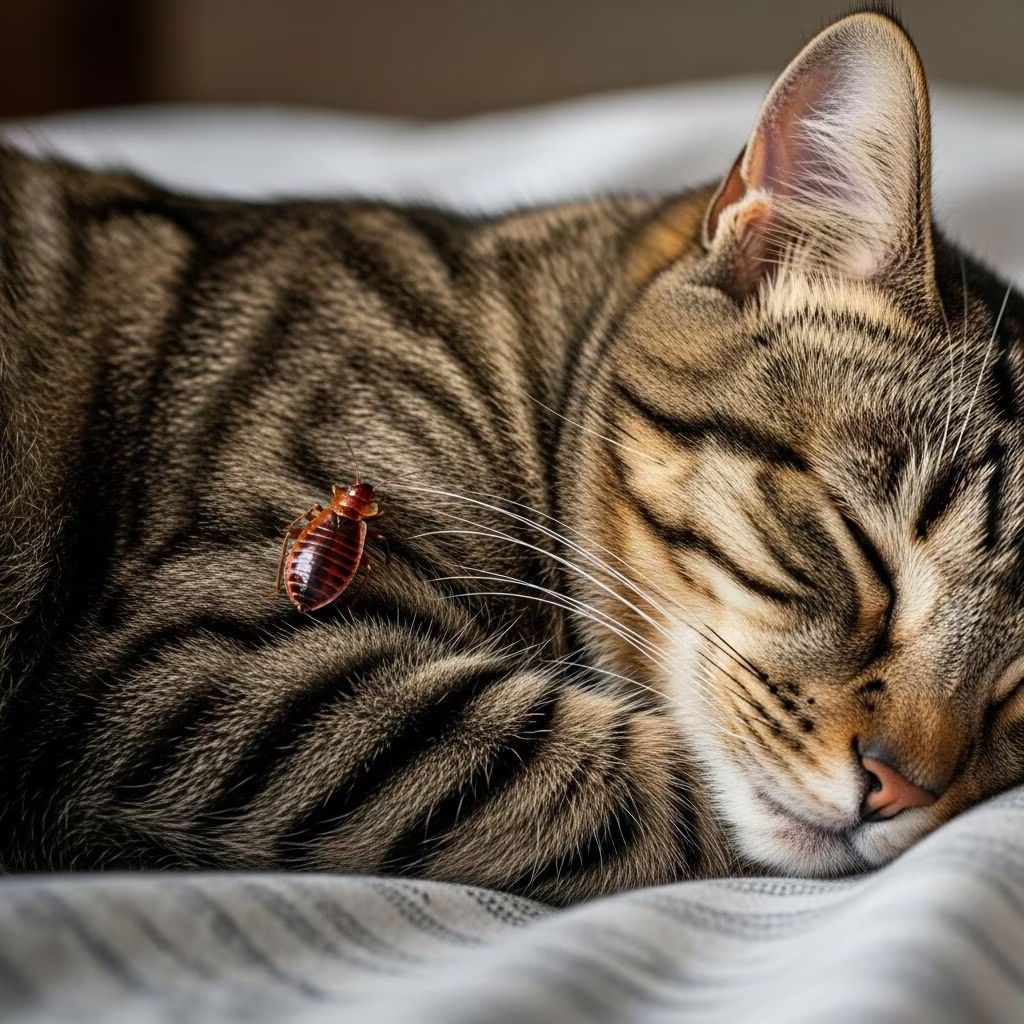
Bed bugs are resilient pests that infest homes worldwide, often sparking concerns about whether pets like cats can transport them. While cats do not serve as primary hosts or nests for bed bugs, they can inadvertently carry these insects on their fur or belongings from infested areas, potentially introducing them into your living spaces. This comprehensive guide explores the realities, risks, and solutions based on veterinary insights and pest control expertise.
Can Cats Carry Bed Bugs?
The straightforward answer is that cats cannot sustain bed bug infestations like fleas do, but they can act as temporary transporters. Bed bugs (*Cimex lectularius*) primarily target humans, drawn by carbon dioxide and body heat, feeding for just 3-5 minutes before retreating to hidden cracks, crevices, or furniture seams. Unlike fleas or lice, bed bugs do not live on a host’s body long-term; they seek stable environments near their preferred food source—people.
Cats might pick up bed bugs during visits to infested locations such as kennels, grooming salons, or even outdoor areas near human dwellings. These pests can hitchhike on a cat’s fur, collar, bedding, or carrier, traveling short distances before dropping off to hide. However, infestations originate from human environments, not pets themselves. If you’ve noticed itchy spots on your cat or suspicious bugs nearby, the source is likely your home’s upholstery, bedding, or travel items rather than the cat harboring a colony.
- Bed bugs prefer humans: They detect hosts up to 100 feet away via CO2 and use infrared to zero in within 10-15 feet.
- Pets as backups: Cats are bitten only opportunistically when no humans are nearby.
- No long-term stay: After feeding, bed bugs immediately return to hiding spots, not lingering on fur.
How Do Cats Get Bed Bugs?
Bed bugs enter homes via luggage, used furniture, clothing, or public spaces like hotels and apartments. For cats, exposure often occurs indirectly:
- Pet carriers or crates left in infested areas during travel or vet visits.
- Shared bedding or toys in multi-pet households or boarding facilities.
- Outdoor cats roaming near apartment complexes or trash areas where bed bugs thrive.
Unlike outdoor pests, bed bugs rarely originate outdoors in numbers sufficient for infestation; they proliferate indoors where warmth and hosts abound. A single female can lay up to 5 eggs daily, producing thousands of offspring in weeks if unchecked, amplifying spread risks even from minor pet-related transport.
Do Bed Bugs Live on Cats?
No, bed bugs do not live on cats or any pets. Their lifecycle demands concealed, stationary habitats like mattress seams, baseboards, or upholstered furniture—not moving fur. Eggs require cracks for protection, and constant pet movement makes them unsuitable. Observations confirm bed bugs feed briefly on pets as a last resort but vacate immediately, preferring proximity to human sleeping areas (typically 5-10 feet away).
| Parasite | Lives on Host? | Feeds on Pets? | Transports via Pets? |
|---|---|---|---|
| Bed Bugs | No | Occasionally | Temporarily |
| Fleas | Yes | Yes | Yes |
| Lice | Yes | Rarely | Yes |
This table highlights key differences: bed bugs are environmental pests, not parasitic like fleas.
Can Bed Bugs Lay Eggs on Cats?
Bed bugs do not lay eggs on cats. Females deposit eggs in hidden, protected spots needing humidity and stability—fur offers neither. Eggs hatch in 6-10 days, requiring crevices to develop into nymphs. Pet fur’s motion and exposure dislodge them, rendering it an inhospitable site.
Do Bed Bugs Bite Cats?
Yes, bed bugs bite cats when humans are unavailable, injecting saliva with anticoagulants causing itchy welts. Bites resemble mosquito marks: small, red, and inflamed, often on less-furry areas like ears, belly, or paws. Cats may scratch excessively, risking secondary infections from bacteria in claws or litter.
- Symptoms in cats: Hair loss, scabs, restlessness, or excessive grooming.
- Detection tip: Check for tiny blood spots or dark fecal stains (bed bug \”peppering\”) on pet bedding.
What Are the Risks to Cats From Bed Bugs?
Primary risks are bite-related irritation and infection, not systemic disease transmission—bed bugs rarely carry pathogens harmful to felines. However, chronic scratching exposes skin to bacteria from litter boxes or outdoors, potentially leading to hot spots or abscesses. Anemic symptoms are rare in pets due to opportunistic feeding.
Psychological stress from itching can cause anxiety or behavioral changes, like hiding or aggression. Long-term, unchecked infestations heighten household risks, indirectly affecting pet well-being through disrupted sleep or chemical treatments.
Bed Bug Bites on Cats vs. Humans
| Aspect | Cats | Humans |
|---|---|---|
| Bite Appearance | Small red welts, often hidden by fur | Linear clusters (\”breakfast, lunch, dinner\”) on exposed skin |
| Reaction Severity | Mild itching, scratching | Intense itching, allergic responses |
| Health Impact | Infection risk from scratching | Sleep loss, anxiety |
Signs of Bed Bugs in Your Home
Spotting bed bugs early prevents escalation:
- Visual cues: Rust-colored stains on sheets, tiny black dots (feces), shed skins, or pale eggs.
- Smell: Musty, coriander-like odor in heavy infestations.
- Behavior: Bites in lines, nocturnal activity.
- Pet-related: Bugs on carriers or unusual pet itching.
What to Do If You Find Bed Bugs on Your Cat
Act swiftly to contain spread:
- Isolate and inspect: Remove cat from area; check fur gently (avoid baths initially to prevent drowning bugs).
- Clean pet items: Wash bedding/clothes in 120°F+ water, dry on high heat 30+ minutes. Vacuum carriers, wipe with isopropyl alcohol.
- Pet treatment: Consult vet for anti-itch sprays; avoid over-the-counter insecticides toxic to cats.
- Home action: Vacuum thoroughly, seal cracks, bag infested items marked \”INFESTED.\”
- Professional help: Hire a licensed exterminator—DIY fails due to resistant eggs.
Monitor for 2-4 weeks post-treatment, as eggs hatch delayed.
How to Prevent Bed Bugs Around Cats
- Inspect secondhand items before home entry.
- Use protective covers on pet beds/mattresses.
- Regularly clean carriers with heat/steam.
- Limit cat exposure to high-risk areas like hotels.
- Employ interceptors under bed legs to trap crawlers.
Bed Bug Facts Every Cat Owner Should Know
- Adults survive 15 months without feeding.
- One female yields 35,000 offspring in 10 weeks.
- Travel via wires, pipes; sense CO2 up to 100 feet.
- Chemicals alone ineffective—eggs resist and hatch later.
Frequently Asked Questions (FAQs)
Can you get bed bugs from cats?
No, bed bugs don’t live on cats long-term. They may hitchhike briefly but infest from human environments.
Where do bed bugs come from all of a sudden?
They hitchhike on luggage, furniture, or clothing from infested sites like hotels or apartments.
Can bed bugs live in cat litter?
No, litter’s dryness and lack of crevices prevent survival and reproduction.
Do cats keep bed bugs away?
No, cats may kill a few but don’t repel or control infestations.
Can bed bugs make cats sick?
Rarely; main issues are itchy bites and infection risks from scratching.
References
- Can Cats Carry Bed Bugs? What Every Pet Owner Should Know — Petful. 2023. https://www.petful.com/pet-health/can-cats-carry-bed-bugs/
- Can Cats Carry Bed Bugs? Vet-Reviewed Info, Risks & What to Do — Catster. 2024. https://www.catster.com/cat-health-care/can-cats-carry-bed-bugs/
- Can Pets Spread Bed Bugs? | Dogs & Cats — Active Pest Control. 2024. https://activepestcontrol.com/bed-bugs/prevention/can-pets-spread-bed-bugs/
- Do Cats, Dogs, and Pets Carry Bed Bugs? — PetHelpful. 2023. https://pethelpful.com/pet-ownership/bedbugs-and-cats
- Can Pets Spread Bed Bugs? — Griffin Pest Solutions. 2024. https://www.griffinpest.com/bed-bug-exterminators/learning/prevention/can-pets-spread-bed-bugs/



