

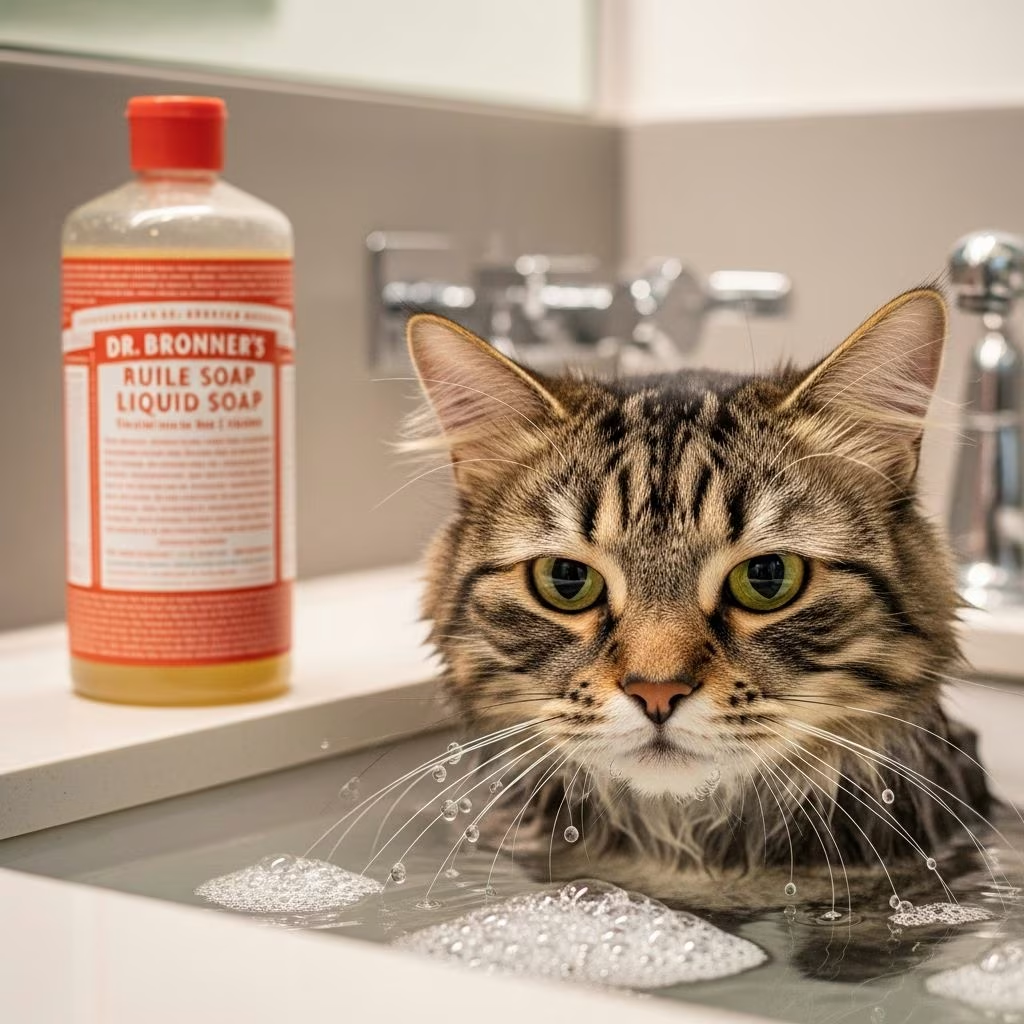
Can Cats Be Washed With Dr. Bronner’s Soap?
Cat owners often search for safe and natural grooming products for their feline companions. Dr. Bronner’s Pure-Castile Soap can be used to bathe cats, but only the unscented variety is recommended. While this multi-purpose soap is well-known for its safety and purity, there are specific considerations and precautions you must take before using it on your cat.
Understanding Dr. Bronner’s Soap and Its Safety Profile
Dr. Bronner’s Pure-Castile Soap is a natural, plant-based cleanser that contains no synthetic ingredients, artificial preservatives, or harsh chemicals. The soap’s gentle formulation makes it appealing for pet owners seeking natural alternatives to commercial pet shampoos. However, the primary concern with using Dr. Bronner’s on cats relates to essential oils, which are naturally present in most varieties of this soap.
The concentration of essential oils in Dr. Bronner’s soaps is approximately 1 to 2 percent, which is relatively low. Under normal circumstances, this concentration may not cause immediate harm. However, cats have a unique sensitivity to certain essential oils, and their livers lack specific enzymes needed to metabolize these compounds effectively.
Essential Oils and Cats: A Critical Concern
The most important consideration when using any soap on cats involves essential oils. Several essential oils commonly found in Dr. Bronner’s products are potentially toxic to cats, including eucalyptus oil, tea tree oil, lemon oil, and orange oil. These oils generally present a problem only when they are undiluted and come into direct contact with a cat’s skin.
Because cats lack the liver enzymes necessary to process many essential oils, even small amounts can accumulate in their system over time. Cats are also prone to grooming themselves after a bath, which means they may ingest residual soap or oils remaining on their fur. This ingestion route adds another layer of risk when using scented Dr. Bronner’s products.
To ensure your cat’s safety, use only the unscented or baby variety of Dr. Bronner’s Pure-Castile Soap for bathing your feline friend. These formulations eliminate the essential oil concern entirely while maintaining the gentle, natural cleansing properties of the original product.
Do Cats Really Need to Be Bathed?
Before you even consider bathing your cat, it’s worth asking whether it’s necessary. Cats are renowned for their meticulous self-grooming habits and their general aversion to water. Most cats maintain a clean coat through their own grooming efforts and rarely require bathing.
However, there are legitimate situations when bathing becomes necessary:
- Certain cat breeds require regular bathing as part of their grooming routine
- Cats with specific medical conditions may benefit from medicated baths
- Cats that have gotten into sticky substances, oils, or visible dirt require cleaning
- Some cats with skin conditions may need therapeutic bathing
- Elderly or ill cats with mobility issues may need assistance with hygiene
As a general guideline, consider bathing your cat approximately once per month, with additional baths only when they become particularly dirty or have encountered something that cannot be removed through normal grooming.
Preparing Your Cat for a Bath
Bathing a cat requires significantly more preparation than bathing a dog. Cats are naturally resistant to water and baths can cause considerable stress. Proper preparation increases the likelihood of a successful, safe bathing experience.
Key preparation steps include:
- Trim your cat’s claws before bathing to prevent scratches to you and your cat
- Brush your cat thoroughly before bathing, as knots become more difficult to untangle when wet
- Tire your cat out by playing with them before the bath to reduce stress and resistance
- Close the bathroom door to prevent your cat from escaping
- Fill the tub with 7 to 9 inches of room-temperature water
- Lay down towels both in the tub and on the bathroom floor for safety and comfort
These preparation steps create a more controlled environment and make the experience less traumatic for your cat. The combination of trimmed claws and a tired cat significantly reduces the risk of injury to yourself and your pet during the bathing process.
Step-by-Step Bathing Process
Once you’ve prepared your cat and gathered your supplies, follow these steps for safe and effective bathing:
1. Create a Calm Environment
Ensure the bathroom is warm and draft-free. Test the water temperature with your elbow to confirm it is comfortable and warm, not hot. Cats are sensitive to temperature changes, and cold water will increase their stress and resistance.
2. Lower Your Cat into the Water Carefully
Gently place your cat into the shallow water, allowing them to acclimate to the sensation. Keep one hand on your cat at all times for security and reassurance.
3. Apply the Soap
Use only the unscented Dr. Bronner’s Pure-Castile Soap. Wet your cat’s fur thoroughly, then apply a small amount of soap directly to their coat. Start with a conservative amount, as a little soap goes a long way when creating lather.
4. Work the Soap Gently
Massage the soap gently into your cat’s fur, working it into a lather. Avoid the face, eyes, and inner ears. Be gentle around sensitive areas and work carefully to prevent the soap from getting into your cat’s eyes or nose.
5. Rinse Thoroughly
Rinse your cat completely until all soap residue is removed. Incomplete rinsing can cause irritation and may lead to skin problems. Use lukewarm water and take your time during this crucial step.
6. Dry Your Cat
Remove your cat from the water and immediately wrap them in warm towels. Gently pat your cat dry, being careful not to rub too vigorously. You may use a low-heat hair dryer if your cat is accustomed to it, but most cats prefer towel drying.
Alternative: DIY Pet Wipes for Cats
If your cat absolutely refuses to tolerate a full bath, DIY pet wipes offer a gentle alternative for light cleaning and grooming between baths. These wipes provide a less stressful way to keep your cat clean while removing dust, dander, and surface dirt.
Recipe for homemade pet wipes:
- Combine 1 tablespoon of Dr. Bronner’s unscented Pure-Castile Magic Soap with 1 cup of distilled or purified water in a small mason jar
- Place clean wipes (washcloths, rags, or cut-up cotton shirts) in a water-tight container
- Pour the solution over the wipes and allow them to absorb the mixture
- To use, wipe your cat gently with the solution, avoiding the eyes
- Follow with a plain water wipe to remove any remaining soapiness
Pet wipes are useful for:
- Wiping off muddy or wet paws
- Removing dust, dander, and allergens from the fur
- Refreshing your cat’s coat between full baths
- Gently removing tear stains from the face
- Cleaning skin folds and sensitive areas
- Bathing cats with an aversion to water or mobility issues
- Cleaning areas affected by accidents or soiling
This DIY approach reduces stress for your cat while providing a gentle cleaning solution using safe, natural ingredients.
Proper Dilution and Safety Guidelines
If you choose to use Dr. Bronner’s soap for bathing your cat, understanding proper dilution is essential. While full-strength soap can be applied directly to a wet cat’s coat, dilution may be preferable for sensitive cats or those with existing skin conditions.
Always prioritize using the unscented or baby formula of Dr. Bronner’s. Never use scented varieties containing essential oils, even if the concentration is low. The potential for bioaccumulation and toxicity outweighs any benefits of using scented products.
When applying soap, use minimal amounts and work quickly to minimize contact time. Thorough rinsing is non-negotiable—any soap residue left on your cat’s fur can cause itching, irritation, and skin problems.
Signs of Adverse Reactions
After bathing your cat with any new product, monitor for signs of adverse reactions. These may include:
- Excessive scratching or licking of the skin
- Red, inflamed, or irritated skin
- Hair loss or bald patches
- Dandruff or flaking skin
- Lethargy or unusual behavior
- Vomiting or loss of appetite
- Respiratory symptoms or difficulty breathing
If you notice any of these signs, discontinue use immediately and consult your veterinarian. Some cats may have sensitivities to even the gentlest soaps, and your vet can recommend alternative cleaning methods or medicated products if necessary.
Choosing Between Dr. Bronner’s and Commercial Cat Shampoos
While Dr. Bronner’s unscented soap can be used on cats, commercial cat shampoos are specifically formulated for feline skin pH and sensitivities. Cat shampoos are typically pH-balanced (around 6.5 to 7.0), whereas human soaps tend to be more alkaline.
Dr. Bronner’s soap is slightly more alkaline than ideal for cat skin, which is why the unscented formula is preferred—without essential oils, the mild alkalinity is less likely to cause issues. However, if your cat has sensitive skin or a known skin condition, a purpose-formulated cat shampoo may be a safer choice.
Frequently Asked Questions
Q: Can I use scented Dr. Bronner’s soap on my cat?
A: No, scented varieties of Dr. Bronner’s contain essential oils that are toxic to cats. Always use only the unscented or baby formula when bathing your cat.
Q: How often should I bathe my cat?
A: Most cats require bathing only once per month, with additional baths only if they become particularly dirty or encounter sticky substances. Many cats never need regular baths due to their self-grooming abilities.
Q: What if my cat absolutely refuses to bathe?
A: DIY pet wipes offer a gentle alternative that many cats tolerate better than full immersion baths. These wipes can help remove surface dirt and maintain hygiene without the stress of a traditional bath.
Q: Is Dr. Bronner’s soap better than commercial cat shampoos?
A: Dr. Bronner’s is a natural, gentle option, but commercial cat shampoos are specifically pH-balanced for feline skin. The best choice depends on your cat’s individual needs and sensitivities.
Q: Why is the unscented formula important for cats?
A: Cats are sensitive to essential oils found in scented soaps. These oils can accumulate in their system and potentially cause toxicity over time, so the unscented formula eliminates this risk entirely.
References
- Using Dr. Bronner’s as a Pet Shampoo for Dogs, Cats & More — Dr. Bronner’s Australia. https://www.drbronner.com.au/blogs/news/using-dr-bronner-s-as-a-pet-shampoo-for-dogs-cats-more
- The Ultimate Guide to Caring for Pets & Their Stuff with Dr. Bronner’s — Lisa Bronner. https://www.lisabronner.com/the-ultimate-guide-to-caring-for-pets-their-stuff-with-dr-bronners/



