

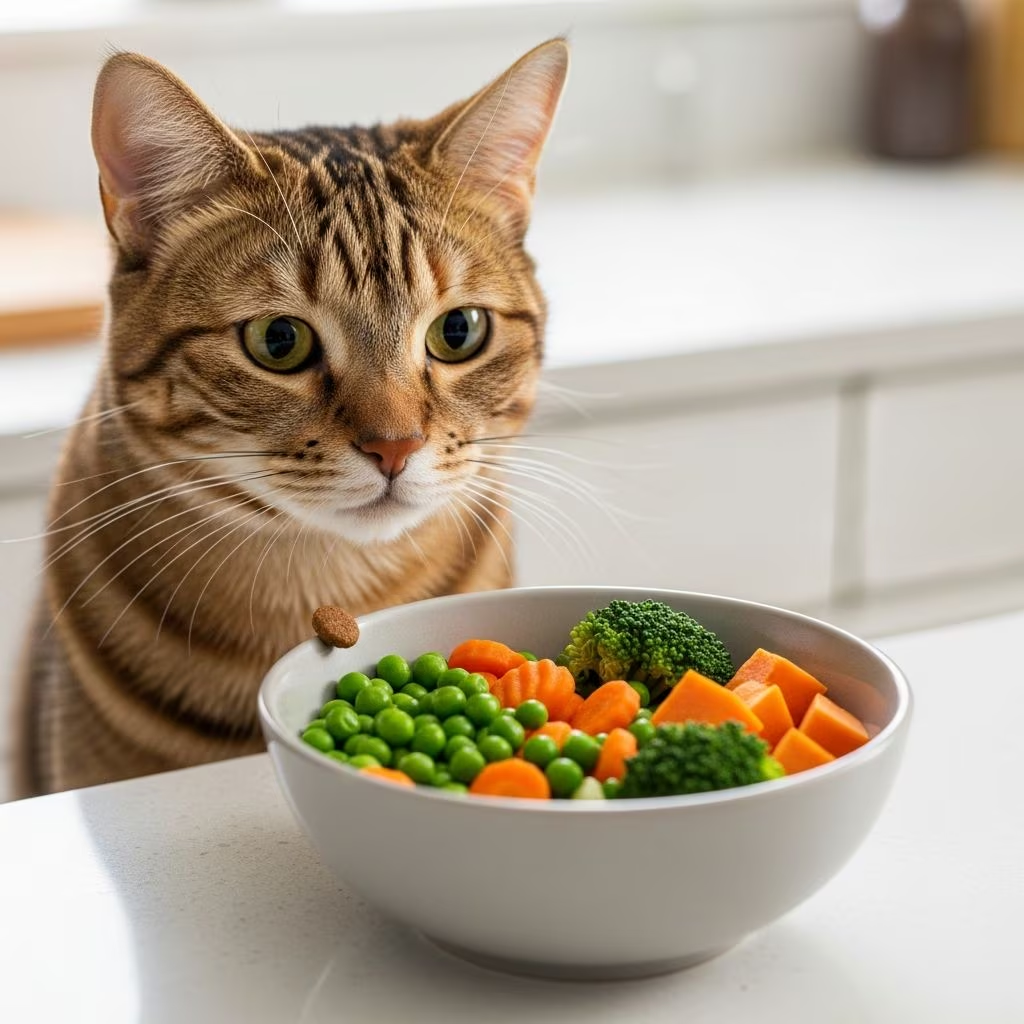
Can Cats Be Vegetarian? A Comprehensive Veterinary Perspective
As pet owners increasingly adopt plant-based lifestyles, many wonder whether their feline companions can follow suit. The question of whether cats can be vegetarian is more complex than a simple yes or no answer. Understanding your cat’s unique nutritional needs is essential before making any dietary changes. This guide explores what veterinarians say about vegetarian and vegan diets for cats, examining the science behind feline nutrition and the potential risks involved.
Understanding Feline Nutrition Basics
Cats are obligate carnivores, which means their bodies are biologically designed to obtain essential nutrients from animal tissues rather than plants. This fundamental biological fact shapes everything about their dietary requirements and limitations. Unlike humans or even dogs, cats have specific anatomical and physiological adaptations that make them dependent on nutrients found almost exclusively in meat.
The difference between cat and dog nutritional requirements is striking. Adult cats require nearly double the protein that dogs need—the Association of American Feed Control Officials (AAFCO) sets the adult maintenance minimum for cats at 26% crude protein on a dry matter basis, compared to only 18% for dogs. This higher protein requirement reflects cats’ evolutionary history as hunters and their body’s design to metabolize and utilize animal-based proteins.
Why Cats Need Meat: Essential Nutrients
Taurine: The Critical Amino Acid
Taurine stands as perhaps the most critical nutrient that makes vegetarian diets problematic for cats. This amino acid is essential for maintaining vital organs and functions, particularly the heart, vision, and immune system. The fundamental problem is that taurine is naturally found only in animal-based proteins and cannot be obtained from plant sources.
Unlike humans and dogs, cats cannot synthesize their own taurine and must obtain it directly from their diet. When cats consume a taurine-deficient diet, they face serious health consequences, including hypertrophic cardiomyopathy—a potentially fatal heart disease—and vision problems that can lead to blindness. This biological limitation makes taurine supplementation absolutely critical for any cat eating a plant-based diet, and many commercial vegan cat foods fail to provide adequate amounts.
Protein Quality and Digestibility
Beyond the quantity of protein, cats require high-quality, highly digestible animal proteins. Plant-based proteins often lack complete amino acid profiles and aren’t digested as efficiently by feline digestive systems. Cats have short, simple digestive tracts designed for processing meat, making them poor at breaking down and utilizing plant proteins. This means even if a plant-based diet contains sufficient protein by weight, the actual protein available to your cat’s body may be inadequate.
Additional Essential Nutrients
Beyond taurine and protein, cats require other nutrients predominantly found in animal sources:
- Vitamin A: Cats cannot convert beta-carotene from plants into usable vitamin A; they require preformed vitamin A from animal sources
- Arachidonic acid: An essential fatty acid that cats cannot synthesize and must obtain from animal tissues
- Arginine: An amino acid critical for immune function and organ health
- Proper calcium-phosphorus balance: Essential for bone health and metabolic function
The Carbohydrate Problem
Plant-based diets typically contain higher levels of carbohydrates than meat-based diets. This presents another nutritional mismatch for cats. Cats are simply not well-adapted to digesting and utilizing carbohydrates. Their digestive systems evolved to process meat, which provides concentrated calories and nutrients in a form cats can efficiently metabolize. A carbohydrate-rich diet leaves cats feeling less satisfied and forces their bodies to work harder to extract the nutrition they need.
From an evolutionary perspective, wild cats rarely consume carbohydrates in any significant quantity. Their natural prey—small rodents, birds, and insects—are high in protein and fat but low in carbohydrates. Asking a cat to thrive on a plant-based diet rich in carbohydrates is asking them to function on a diet fundamentally mismatched to their biology.
Health Risks of Vegetarian and Vegan Cat Diets
Documented Health Problems
Cats consuming poorly formulated vegetarian or vegan diets face numerous health risks:
- Protein deficiency leading to poor growth, muscle wasting, and weakened immune function
- Skin and coat problems indicating nutritional inadequacy
- Taurine deficiency causing heart disease and vision loss
- Deficiencies in amino acids such as lysine and tryptophan
- Vitamin and mineral imbalances affecting overall health
- Reduced folic acid (vitamin B9) levels
These aren’t theoretical concerns—they represent real health consequences that veterinarians regularly observe in cats fed inadequate plant-based diets. Some of these conditions, such as heart disease from taurine deficiency, can be life-threatening.
Research on Commercial Vegan Cat Foods
Studies examining commercially available vegan cat foods paint a concerning picture. Research has shown that vegan cat foods rarely meet all of a cat’s nutritional needs. Even products marketed as nutritionally complete often fall short of providing balanced, bioavailable nutrients in forms cats can properly utilize. The challenge lies not just in including these nutrients on paper, but in formulating them in ways that cats’ digestive systems can absorb and use effectively.
The Veterinary Consensus
Mainstream veterinary organizations and practitioners strongly advise against feeding cats vegetarian or vegan diets. The consensus is clear: it is not recommended to put cats on plant-based diets. Veterinarians note that while some commercial vegetarian cat foods exist, these are never recommended by responsible veterinary professionals.
If a cat owner insists on preparing homemade vegetarian food for their cat, veterinarians emphasize that this requires consultation with a board-certified veterinary nutritionist. Homemade diets demand careful attention to electrolyte, vitamin, and mineral supplementation, particularly regarding phosphorus, calcium, and vitamin A balance. Without this professional guidance and appropriate supplementation, cats face serious nutritional deficiency risks.
The Contrasting Perspective: Knight’s Research
It’s worth noting that some recent research presents a different view. Professor Andrew Knight from the University of Winchester led a study surveying over 1,300 cats, concluding that cats fed nutritionally sound vegan diets may be healthier overall than those fed meat-based diets. The study found no significant differences in perceived health status between vegetarian and conventionally fed cats in some measures.
However, even this research emphasizes that vegan diets must be nutritionally sound and properly formulated. Clinical examinations and blood tests revealed that vegan cats had significantly lower folic acid levels compared to conventionally fed cats, highlighting that even “successful” vegan diets for cats may involve nutritional compromises. This research represents a minority viewpoint that contrasts with standard veterinary recommendations and the weight of evidence suggesting the risks outweigh benefits.
Alternatives to Fully Vegetarian Diets
Vegetarian vs. Vegan: A Practical Distinction
It’s important to understand the difference between vegetarian and vegan cat foods: A vegetarian diet excludes animal flesh but may include eggs, dairy products, and butter. A vegan diet eliminates all animal products entirely. While vegetarian cat food might be somewhat easier to formulate with adequate nutrition—since eggs and dairy provide taurine and other essential nutrients—even vegetarian diets fall short of ideal nutrition for obligate carnivores.
Incorporating Vegetables into Meat-Based Diets
Rather than eliminating meat entirely, many cat owners successfully incorporate vegetables into their cats’ diets while maintaining meat as the primary protein source. Many vegetables and fruits are safe for cats and can provide beneficial nutrients and fiber. However, most of a cat’s diet should remain animal-based. If cooking for your cat at home, ensure that meat remains the foundation of meals, with vegetables playing only a supplementary role.
Safe additions to a meat-based diet include green beans, carrots, pumpkin, and small amounts of cooked fruits. These should comprise no more than 10-15% of total caloric intake, allowing the remaining 85-90% to come from high-quality animal proteins.
Making Dietary Changes Safely
If you’re considering any dietary changes for your cat, following proper transition procedures is essential. If attempting to introduce more vegetables or make any dietary modifications:
- Make changes gradually over 7-14 days, mixing the new food with the previous diet
- Monitor your cat closely for skin problems, digestive issues, or changes in behavior
- If problems develop, either try a different formula or return to the previous diet
- Consult with your veterinarian before making significant dietary changes
Watch for warning signs including dull coat, lethargy, vomiting, diarrhea, or changes in appetite. These may indicate that your cat isn’t thriving on the new diet.
Frequently Asked Questions
Q: Is it ever safe to feed a cat a vegetarian diet?
A: While theoretically possible with careful formulation by a board-certified veterinary nutritionist and appropriate synthetic supplementation, mainstream veterinary organizations do not recommend vegetarian or vegan diets for cats. The risks typically outweigh any perceived benefits.
Q: Can cats get enough protein from plant sources?
A: Even if the quantity of protein could be met through plants, the quality and digestibility are inferior to animal proteins. Cats require highly digestible, complete proteins that plants cannot reliably provide.
Q: What if I’m vegan—must I feed my cat meat?
A: Yes, your cat’s nutritional needs differ fundamentally from yours. Feeding your cat a species-appropriate meat-based diet is essential for their health, even if you personally avoid animal products. You can maintain your own values while meeting your cat’s biological requirements.
Q: Can taurine supplements make a vegan diet safe for cats?
A: While taurine supplementation addresses one critical deficiency, it doesn’t solve the broader nutritional problems with plant-based diets. Cats also need proper levels of vitamin A, arachidonic acid, arginine, and other nutrients in bioavailable forms, which remain problematic in vegan formulations.
Q: How can I tell if my cat isn’t thriving on their current diet?
A: Signs of nutritional inadequacy include dull or dry coat, lethargy, poor muscle condition, digestive problems, frequent veterinary visits, and behavioral changes. Any of these warrant a discussion with your veterinarian about dietary adjustments.
Conclusion: Prioritizing Your Cat’s Health
While respecting the ethical and environmental motivations behind plant-based diets, cats’ biological reality cannot be changed through dietary substitution. Cats are obligate carnivores whose nutritional requirements have remained consistent for thousands of years of evolution. Attempting to force a vegetarian or vegan lifestyle on a cat risks serious health consequences that are not worth the risk.
The most responsible approach is to accept that your cat has different nutritional needs than you do. Provide your feline companion with a high-quality, meat-based diet formulated to meet their unique requirements. If you have concerns about the environmental impact of pet food, consider sourcing meat-based products from sustainable producers or discuss alternatives with your veterinarian. Your cat’s health and longevity should be the primary consideration when making dietary decisions.
References
- Can Cats Be Vegan or Vegetarian? — PetMD. 2024. https://www.petmd.com/cat/nutrition/can-cats-be-vegan-or-vegetarian
- Is It Possible (Or Safe) to Make Your Pet a Vegetarian? — Pet Health Network. 2024. https://www.pethealthnetwork.com/cat-health/cat-diet-nutrition/it-possible-or-safe-make-your-pet-a-vegetarian
- Why Can’t My Cat Be Vegan? — ASPCA. 2024. https://www.aspca.org/news/why-cant-my-cat-be-vegan
- Can Cats Be Vegan? — Blue Cross. 2024. https://www.bluecross.org.uk/advice/cat/food-and-weight/can-cats-be-vegan
- Vegan diet healthier for cats than meat according to new survey — University of Winchester. 2023. https://www.winchester.ac.uk/news-and-events/press-centre/media-articles/vegan-diet-healthier-for-cats-than-meat-according-to-new-survey.php
- Vegan versus meat-based cat food: Guardian-reported health — NIH/PMC. 2023. https://pmc.ncbi.nlm.nih.gov/articles/PMC10499249/
- Is it safe to feed my dog or cat a vegetarian diet? — PETA. 2024. https://www.peta.org/faq/is-it-safe-to-feed-my-dog-or-cat-a-vegetarian-diet/



