

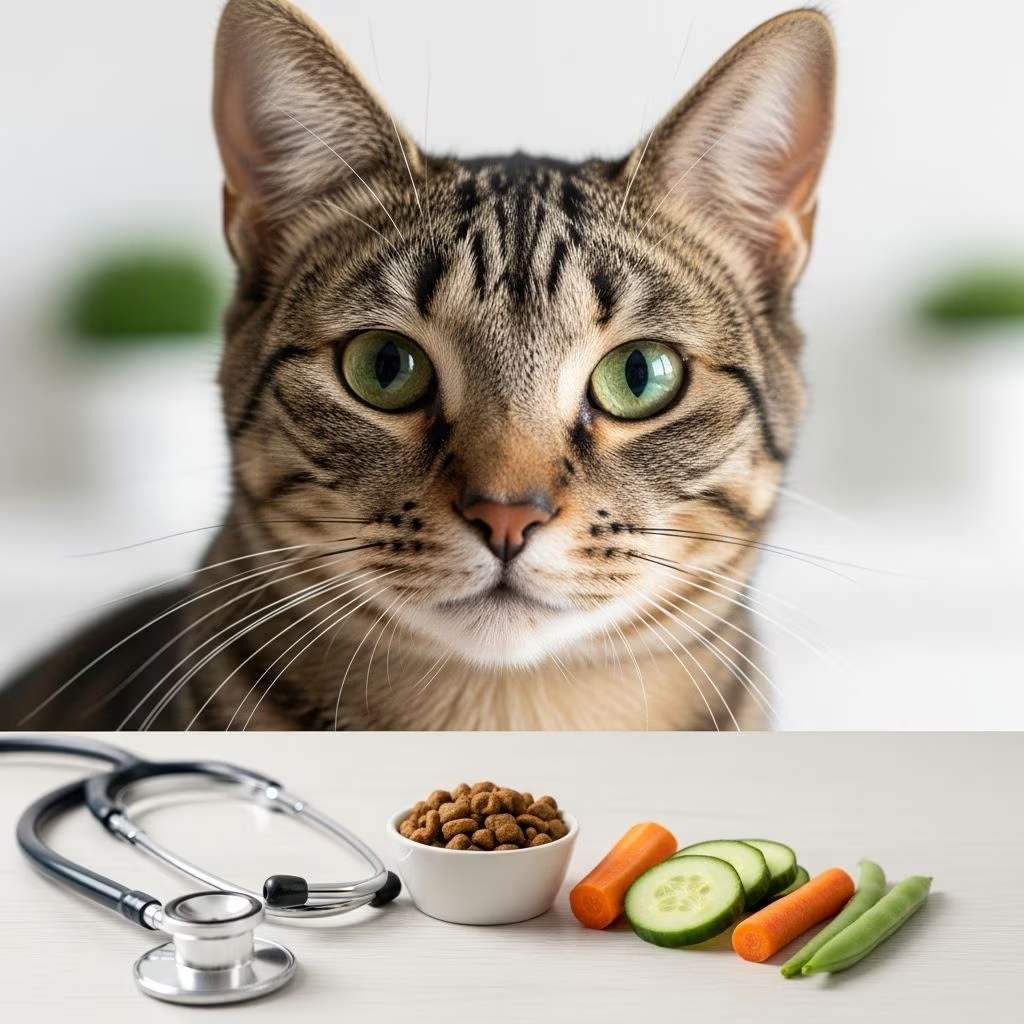
Can Cats Be Vegan? Understanding Feline Nutrition
The question of whether cats can follow a vegan diet has become increasingly popular among pet owners concerned about environmental impact and animal welfare. However, the answer is far more complex than a simple yes or no. Understanding your cat’s unique nutritional needs is essential before considering any dietary changes.
Cats have evolved as obligate carnivores, meaning their bodies are physiologically designed to obtain essential nutrients primarily from animal tissues. This fundamental biological reality forms the foundation of the debate surrounding vegan diets for felines. While some advocates argue that modern supplements can bridge nutritional gaps, veterinary professionals and nutritional scientists continue to express concerns about the long-term viability of plant-based diets for cats.
What Are Obligate Carnivores?
Understanding what makes cats obligate carnivores is crucial to comprehending why their dietary needs differ significantly from other pets. Unlike omnivores or herbivores, obligate carnivores have anatomical and physiological features specifically adapted for consuming meat.
Cats possess specialized digestive systems, teeth structures, and metabolic pathways that are optimized for processing animal protein and extracting nutrients from meat and seafood. Their short digestive tracts are designed to efficiently break down and absorb nutrients from animal sources, not from plant materials. This biological specialization developed over thousands of years of evolution and cannot be easily overridden through dietary supplementation alone.
Essential Nutrients Cats Require
Cats have significantly higher protein requirements compared to dogs and many other domesticated animals. The Association of American Feed Control Officials (AAFCO) establishes that adult cats require a minimum crude protein content of 26% on a dry matter basis—substantially higher than the 18% minimum required for dogs. This difference reflects the cat’s heightened need for amino acids that support their metabolic processes.
Beyond protein quantity, cats require specific nutrients that are predominantly found in animal-based sources:
- Taurine: An essential amino acid critical for heart function, vision, and reproduction. Meat and seafood contain abundant taurine, while plant-based sources like marine algae contain only about one-tenth the concentration found in animal products.
- Arachidonic Acid: An essential fatty acid necessary for proper inflammation response and skin health that is rarely found in plant sources.
- Vitamin A (Preformed): Cats cannot efficiently convert plant-based beta-carotene into usable vitamin A and require the preformed version found in animal tissues.
- Vitamin B12: Essential for nervous system function and overall cellular health, this vitamin is naturally abundant in animal products but scarce in plant-based foods.
- Vitamin B1 and B3: These B vitamins are more bioavailable in animal-based sources.
The Challenge of Meeting Cat Nutritional Needs on a Vegan Diet
While it may theoretically be possible to supplement a vegan diet with synthetic versions of these essential nutrients, the practical application presents numerous challenges. Creating a nutritionally complete and balanced vegan diet for cats requires precise formulation and careful monitoring to ensure all essential nutrients are present in appropriate quantities and bioavailable forms.
Research has revealed that commercially available vegan cat foods rarely meet all of a cat’s nutritional needs. A comprehensive analysis found that many plant-based cat food products fall short of providing adequate amounts of crucial nutrients, even when they claim to include supplements. Homemade vegan diets present even greater risks, as recipes found in books or online are notoriously difficult to balance properly.
The primary concern centers on the supplementation approach. While manufacturers may add synthetic taurine and other nutrients to vegan formulas, the overall nutritional profile may still be incomplete. Additionally, the bioavailability of synthetic nutrients can differ significantly from their natural counterparts found in animal tissues, potentially reducing the amount your cat can actually absorb and utilize.
What Does the Research Show?
The scientific literature on vegan diets for cats presents conflicting findings. Some recent research has suggested that cats fed nutritionally sound vegan diets may experience health outcomes comparable to or even better than those fed meat-based diets. However, these studies typically involve carefully controlled diets with appropriate supplementation and regular veterinary monitoring—conditions rarely replicated in typical household settings.
In one peer-reviewed study examining cats on vegetarian diets, blood taurine and cobalamin (vitamin B12) levels were assessed in cats fed either commercial or homemade vegetarian diets. Cobalamin levels remained within normal ranges in all cases, while taurine levels were normal in 82% of the studied cats. The three cases with abnormal taurine levels were cats whose diets included table scraps—highlighting the importance of dietary completeness and balance.
However, researchers also noted that folic acid (vitamin B9) levels were significantly lower in vegan cats compared to conventionally fed cats, indicating that even supplemented vegan diets may not provide optimal levels of all nutrients. This finding suggests that while a well-formulated vegan diet might support basic health parameters, it may not optimize all aspects of feline nutrition.
Veterinary Recommendations on Vegan Diets for Cats
The consensus among veterinary professionals remains cautious regarding vegan diets for cats. Most veterinarians advise against placing cats on plant-based diets due to the inherent risks and the difficulty in ensuring nutritional completeness. The position reflects the current state of scientific evidence, which suggests that meeting all of a cat’s complex nutritional needs through plant-based sources is significantly more challenging than meeting a dog’s dietary needs on a vegan diet.
Veterinarians emphasize that regardless of the primary ingredients in a pet’s diet, pet foods should always be formulated to be nutritionally complete and balanced. They recommend that if a cat owner wishes to explore plant-based options, this should only be done under the close supervision of a veterinary nutritionist who can monitor the cat’s health through regular blood work and clinical examinations.
Protein and Amino Acid Concerns
While plant-based foods can provide protein, they often lack or contain lower amounts of certain essential amino acids that cats require. The amino acid profile of plant proteins differs from that of animal proteins, potentially making plant-based proteins less suitable for meeting all of a cat’s amino acid requirements.
Taurine deserves special mention due to its critical importance. This amino acid is vital for proper heart function, and deficiency can lead to dilated cardiomyopathy, a potentially life-threatening heart condition in cats. While synthetic taurine can be added to vegan cat foods, questions remain about optimal absorption rates and whether the amounts added truly compensate for the naturally low taurine content of plants.
Fat-Soluble Vitamin Challenges
Fat-soluble vitamins like vitamin A and vitamin D present additional challenges in vegan cat nutrition. Cats cannot efficiently synthesize vitamin A from beta-carotene as humans can. They require preformed vitamin A, which is readily available in animal tissues but absent from plants. While synthetic vitamin A can be added to supplements and fortified foods, ensuring proper absorption and preventing toxicity from over-supplementation requires careful formulation.
Best Practices If You Choose a Plant-Based Diet
If you have decided to feed your cat a vegan diet despite veterinary recommendations against it, certain practices can help minimize potential risks:
- Work with a board-certified veterinary nutritionist to formulate or select appropriate diets.
- Choose commercially formulated vegan cat foods from reputable manufacturers rather than homemade recipes.
- Ensure the selected food is formulated to be complete and balanced for feline nutrition.
- Schedule regular veterinary check-ups including blood work to monitor nutritional status.
- Consider supplementing with taurine, vitamin B12, and other potentially deficient nutrients.
- Monitor your cat for signs of nutritional deficiency or health problems.
- Be prepared to transition back to meat-based diets if health issues emerge.
Environmental and Ethical Considerations
Many cat owners explore vegan diets due to environmental and ethical concerns about meat production. These are legitimate concerns worth considering. However, the solution may not be to force your obligate carnivore cat onto an inappropriate diet. Instead, you might consider supporting sustainable, ethically-produced meat sources for your cat while making plant-based choices for your own diet.
Some research suggests that feeding cats vegan diets could theoretically free up significant resources that might feed large human populations. However, this argument must be weighed against the potential health risks to the individual cat under your care, whose wellbeing is your primary responsibility.
Alternatives to Consider
If environmental impact concerns you, consider these alternatives to vegan cat diets:
- Purchase cat food made from sustainably sourced meat and fish.
- Select brands that prioritize ethical animal treatment and environmental responsibility.
- Reduce your own consumption of animal products while maintaining appropriate nutrition for your cat.
- Support companies developing cultured meat products specifically designed for pet nutrition.
- Choose smaller portions of higher-quality meat-based foods rather than larger quantities of lower-quality options.
Key Takeaways on Vegan Diets for Cats
The scientific evidence and veterinary consensus indicate that cats are not well-suited for vegan diets. While some cats may appear to maintain health on properly supplemented plant-based diets, this outcome typically requires:
- Professionally formulated diets from reputable manufacturers
- Appropriate supplementation with essential nutrients
- Regular veterinary monitoring and blood work
- Willingness to transition to meat-based diets if problems develop
The risk of nutritional deficiencies and the difficulty in ensuring long-term health make vegan diets a questionable choice for most cat owners.
Frequently Asked Questions
Q: Can cats survive on a vegan diet?
A: While some cats may appear to survive on properly formulated and supplemented vegan diets, “surviving” differs from “thriving.” The risk of nutritional deficiencies remains significant, and most veterinarians do not recommend plant-based diets for cats due to the complexity of meeting their unique nutritional needs.
Q: Is it cruel to feed a cat a vegan diet?
A: Feeding a cat an improperly formulated vegan diet could be considered harmful, as it may lead to serious nutritional deficiencies and health problems. However, feeding a cat an appropriately formulated diet that meets its nutritional needs—whether plant-based or meat-based—is not cruel if done responsibly with veterinary oversight.
Q: What are the main risks of vegan cat diets?
A: Primary risks include taurine deficiency (leading to heart disease), vitamin B12 deficiency, inadequate arachidonic acid, insufficient bioavailable vitamin A, and overall protein deficiency. Additionally, the complexity of creating a nutritionally complete vegan diet makes it easy to overlook essential nutrients.
Q: Can I make homemade vegan food for my cat?
A: Homemade vegan diets for cats are not recommended. Creating nutritionally complete and balanced homemade diets is extremely difficult, even for omnivorous pets. The risk of serious nutritional imbalances is very high. If you wish to feed your cat any non-traditional diet, commercial products formulated by nutritionists are significantly safer than homemade options.
Q: What should I feed my cat if I’m vegan?
A: Your personal dietary choices need not dictate your cat’s diet. Cats are obligate carnivores and require meat-based nutrition. You can maintain your own vegan diet while providing your cat with nutritionally appropriate meat-based food. Choose brands with sustainable and ethical sourcing practices to align with your values while meeting your cat’s nutritional needs.
Q: Has any research shown vegan diets are good for cats?
A: Some recent research has suggested that cats on well-formulated, supplemented vegan diets may show health outcomes comparable to meat-fed cats. However, these studies typically involve closely monitored, professionally formulated diets and are not representative of typical vegan cat food products available commercially. Most research continues to identify nutritional gaps in vegan cat foods.
Q: What supplements do vegan cats need?
A: If feeding a vegan diet, supplements should include taurine, vitamin B12, vitamin A, arachidonic acid, and potentially others depending on the specific diet. However, relying on supplementation to bridge nutritional gaps created by avoiding animal products is inherently risky and requires professional nutritional guidance.
References
- Vegan versus meat-based cat food: Guardian-reported health outcomes in 1,369 cats — PLOS ONE, Andrew Knight et al. 2024-01-18. https://journals.plos.org/plosone/article?id=10.1371/journal.pone.0284132
- Can Cats Be Vegan or Vegetarian? — PetMD. 2024. https://www.petmd.com/cat/nutrition/can-cats-be-vegan-or-vegetarian
- The Impact of Vegan Diets on Indicators of Health in Dogs and Cats — PMC/NIH, peer-reviewed research. https://pmc.ncbi.nlm.nih.gov/articles/PMC9860667/
- Vegan diet healthier for cats than meat according to new survey — University of Winchester, Faculty of Health and Wellbeing. 2024. https://www.winchester.ac.uk/news-and-events/press-centre/media-articles/vegan-diet-healthier-for-cats-than-meat-according-to-new-survey.php
- The Dangers of Vegetarian & Vegan Diets in Cats — The Woof Doctor Veterinary Services. 2024. https://www.woofdoctor.vet/vegetarian-cats/



