

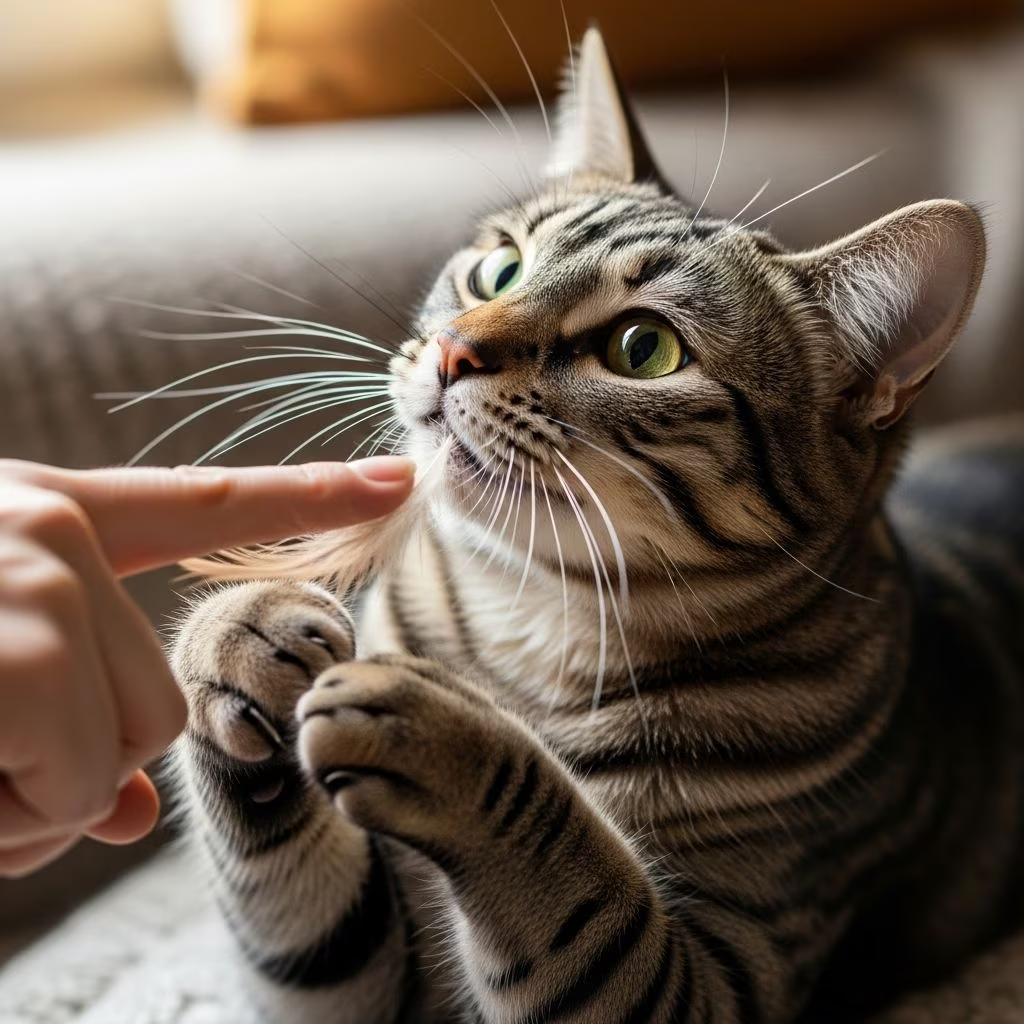
Many cat owners have noticed their feline companions twitching, pulling away, or even purring in response to light touches in certain areas. This raises a common question: can cats be ticklish? Unlike humans, who associate tickling with laughter and play, cats experience touch sensitivity differently. Scientific understanding points to two types of tickling: knismesis (light, feather-like touch) and gargalesis (heavier, laughter-inducing tickling). Cats likely only feel knismesis, a survival mechanism to detect parasites like fleas or ticks on their skin.
Experts like Stephen Quandt, a feline behavior specialist, explain that this sensitivity serves as a warning system rather than a source of joy. Dr. Lizzie Youens, a veterinarian, notes that while cats can’t laugh, they may enjoy gentle petting in preferred spots. This article dives into the science, sensitive areas, body language cues, and safe interaction tips to help you bond with your cat respectfully.
What Is Tickling in Cats?
Tickling in cats isn’t the giggling fun humans know. Research distinguishes knismesis—a subtle skin-crawling sensation from light touches—and gargalesis, which triggers laughter in humans and primates but not cats. Cats’ reactions to touch stem from knismesis, alerting them to potential threats like insects.
Veterinary experts confirm cats have highly sensitive skin, especially in fur-sparse areas. This sensitivity varies by breed; hairless cats like Sphynx may react more strongly due to exposed skin. Touching these spots can mimic an insect crawling, prompting instinctive responses like twitching or fleeing.
Understanding this helps owners avoid misinterpreting reactions. What looks like play might be discomfort, emphasizing the need to observe individual preferences.
Where Are Cats Most Ticklish?
Cats have several ticklish spots with high nerve endings and thinner fur or skin. Common areas include:
- Paw pads and feet: Extremely sensitive; many cats recoil immediately.
- Ears and nose: Light touches often cause twitching or ear flicking.
- Chin and cheeks: Some cats lean in for scratches here, enjoying the sensation.
- Belly: Vulnerable and ticklish; exposure invites rubs but often leads to defensive reactions.
- Base of tail and back: Can cause rippling skin or thrashing.
Hairless breeds may be more reactive overall. Test gently, as preferences differ—some cats tolerate belly rubs briefly before “attacking”.
Signs Your Cat Enjoys Being Touched
Not all touches are equal; positive responses indicate enjoyment. Look for:
- Purring: A clear sign of contentment and relaxation.
- Relaxed body language: Loose tail, forward-pointed ears, half-closed eyes.
- Leaning in or head-butting: Seeking more contact.
- Playful swatting or biting: Gentle engagement without aggression.
- Tail wagging gently: Happiness indicator.
These cues show your cat appreciates the interaction, fostering trust.
Signs Your Cat Dislikes Tickling
Discomfort signals are crucial to heed. Stop immediately if you see:
- Skin rippling or twitching: Especially on back or belly.
- Ears pinned back or twitching: Stress response.
- Tail thrashing or flicking: Irritation.
- Stiff posture or raised fur: Defensive readiness.
- Dilated pupils, hissing, growling: Warning of aggression.
- Moving away or swatting: Clear rejection.
Ignoring these can erode trust, lead to scratches, or cause stress-related health issues like weakened immunity. Dr. Youens stresses watching for tense posture or wide eyes.
Why Do Cats React to Tickling?
Reactions blend instinct and preference. Knismesis mimics parasites, triggering removal behaviors like shaking or biting. Belly sensitivity protects vital organs; exposure is a dominance display but touching invites attack.
Overstimulation from prolonged touch leads to petting-induced aggression—sudden mood shifts from enjoyment to irritation. Individual temperament, socialization, and past experiences influence responses. Kittens learn boundaries through play, but adults vary.
Is It Safe to Tickle Your Cat?
Gentle, observant touching can strengthen bonds if enjoyed, but risks include bites, scratches, or stress. Hairless cats or those with skin conditions may find it painful. Prioritize consent via body language; short sessions prevent overstimulation.
Alternatives like brushing or toy play engage without risk. Consult vets for sensitive cats.
How to Tickle Your Cat Safely
Follow these steps for positive interactions:
- Start slow: Use light fingers on known liked spots like chin.
- Watch body language: Pause at discomfort signs.
- Keep it brief: 10-20 seconds max per session.
- Use tools: Feather wands for distance.
- Respect boundaries: End on a high note with treats.
This builds trust and fun.
Cats That Might Enjoy Tickling More
Breeds like Siamese or Maine Coons, bred for sociability, may tolerate more touch. Playful individuals or those socialized young respond better. Observe yours—some love chin scratches, others avoid paws.
Alternatives to Tickling
Skip risky tickles for:
- Gentle brushing: Removes loose fur, massages.
- Interactive toys: Satisfies hunting instincts.
- Petting favorites: Back, cheeks for most.
- Play sessions: Laser pointers, strings.
| Tickling Spot | Common Reaction | Safe Approach |
|---|---|---|
| Paws | Pull away, twitch | Avoid unless trimming nails |
| Belly | Twitch, attack | Pet briefly if invited |
| Chin | Lean in, purr | Gently scratch often |
Frequently Asked Questions (FAQs)
Are cats ticklish on their belly?
Yes, the belly is highly ticklish and vulnerable; many cats tolerate briefly but react defensively.
Why does my cat bite when I tickle it?
Biting signals overstimulation or discomfort; stop immediately to avoid aggression.
Can all cats be ticklish?
Most experience knismesis, but reactions vary by individual and breed.
Is tickling bad for cats?
Not if brief and enjoyed, but forcing it causes stress; prioritize body language.
Where else are cats ticklish?
Paws, ears, nose, tail base; test gently.
References
- Are Cats Ticklish? Possibly, But They May Not Appreciate It — Rover.com. 2023-05-19. https://www.rover.com/blog/are-cats-ticklish/
- Are Cats Ticklish? A Vet Explains the Science of Tickling — TrustedHousesitters. N/A. https://www.trustedhousesitters.com/blog/pets/are-cats-ticklish/
- Cat Tickling: Understanding the Pros and Cons — UAH Pet. N/A. https://www.uahpet.com/blogs/hydration-health/cat-tickling-understanding-the-pros-and-cons-of-this-controversial-activity
- Are Cats Ticklish? Possibly, But They May Not Appreciate It — Cat Behavior Help. 2023-05-19. https://catbehaviorhelp.com/press/are-cats-ticklish-possibly-but-they-may-not-appreciate-it/
- Are CATS TICKLISH? Find Out Here! — AnimalWised (YouTube). N/A. https://www.youtube.com/watch?v=0o0K2322M3I



