

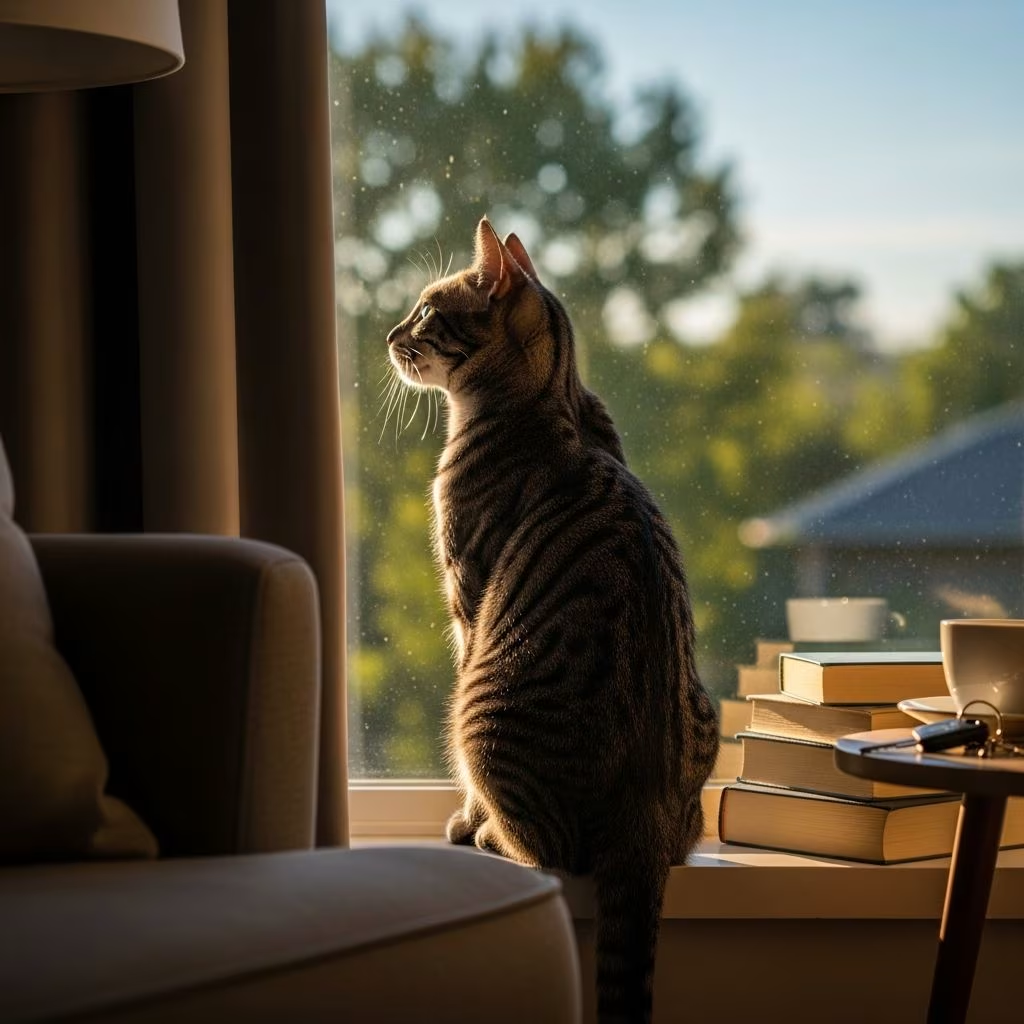
Cats are often seen as independent pets that thrive on solitude, but the reality is more nuanced. While adult cats can handle short periods alone, kittens require frequent attention, and prolonged absences can lead to stress or health issues. Understanding safe time limits based on age, providing proper enrichment, and arranging care for longer trips ensures your feline friend’s well-being.
Do Cats Get Lonely?
Contrary to the stereotype of the aloof cat, many felines form deep bonds with their owners and can experience loneliness when left alone for extended periods. Signs of loneliness include excessive vocalization (like meowing at doors), changes in eating or grooming habits, increased clinginess upon return, destructive behaviors such as scratching furniture, or withdrawal and lethargy. A National Institutes of Health report indicates that 13–19% of cats may show distress behaviors when separated from owners, including inappropriate urination or excessive grooming.
Cats crave companionship, especially those closely bonded to humans or other pets. If you’re frequently away, consider a pet sitter for check-ins or adopting a compatible second cat—though introductions must be gradual to avoid conflict. Multi-cat households can provide mutual comfort, reducing separation anxiety risks if resources like food bowls and litter boxes are plentiful.
How Long Can Kittens Be Left Alone?
Kittens demand more supervision due to their high energy, developing habits, and vulnerability. General guidelines recommend limiting alone time as follows:
- Under 6 months: No more than 2-4 hours at a time. Young kittens need frequent meals, litter checks, and play to prevent boredom and accidents.
- Over 6 months: Up to 4-8 hours, depending on temperament and medical needs.
Dr. Mikel Delgado, a cat behavior expert, emphasizes that younger kittens require more frequent care: ‘Ideally, kittens are left alone no more than four to eight hours per day depending on age’. Always kitten-proof the space by securing cords, removing small objects, and blocking hazardous areas. For longer outings, enlist a friend or pet sitter for periodic visits.
How Long Can Adult Cats Be Left Alone?
Healthy adult cats over one year old tolerate solitude better, typically handling 24-36 hours with proper setup. However, experts advise against exceeding 12-24 hours regularly to avoid stress. Cats Protection suggests a maximum of 12 hours for most cats.
| Cat Age Group | Recommended Max Alone Time (Daily) | Absolute Max (With Setup) |
|---|---|---|
| Kitten (<6 months) | 2-4 hours | 4-6 hours |
| Young Adult (6-12 months) | 4-8 hours | 12 hours |
| Mature Adult (>1 year) | 8-12 hours | 24-36 hours |
Prolonged isolation risks include running out of water, litter overflow, or injury. Cats accustomed to interaction may develop anxiety, showing within the first 20 minutes of absence. Older females might be more prone, though studies show no clear sex or breed differences.
Can You Leave Cats Alone Overnight?
Overnight absences (up to 12 hours) are feasible for confident adult cats with ample food, water, and clean litter. Provide puzzle feeders to mimic hunting and extend engagement. However, monitor for stress via home cameras. If your cat shows clinginess or vocalizing, shorten alone time or add companionship.
Leaving Your Cat Alone for Several Days
Leaving Cats Alone for Two Days
Two days pushes limits; automated feeders and water fountains help, but daily human check-ins are ideal for litter scooping and affection. Risks include spilled bowls or boredom-induced mischief.
Leaving Cats Alone for Four Days
Never leave a cat alone for four days, even with auto-feeders. Dr. Delgado warns: ‘It is not sufficient to leave them with a big pile of food and assume they will be okay without care or social interactions’. Cats need routine; disruptions cause severe stress.
Leaving Cats Alone for a Week or 10 Days
A week or 10 days is unacceptable. Cats risk dehydration, injury, or psychological distress from unmet social needs. Hire professional pet sitters for twice-daily visits including playtime.
Signs of Separation Anxiety in Cats
Separation anxiety affects cats similarly to dogs, though less studied. Key indicators:
- Vocalizing: Excessive meowing or yowling when alone.
- Destructive actions: Scratching doors or knocking items.
- Elimination issues: Urinating outside the litter box, often on beds.
- Grooming changes: Over-grooming leading to bald spots or neglect.
- Appetite shifts: Eating too much or too little.
Enrichment like toys and videos reduces these by 50-70% in affected cats. Consult a vet if symptoms persist.
What Does Your Cat Need When Left Alone?
Essential provisions include:
- Fresh water: Use fountains for circulation; multiple sources in multi-cat homes.
- Food: Timed feeders prevent overeating; portion for absence length.
- Clean litter: Extra boxes (n+1 rule, where n is cat count); scoop daily if possible.
- Comfortable environment: 68-77°F, cozy beds, safe perches.
Dr. Delgado notes cats need ‘access to fresh water, food, clean litter box, safe toys, food puzzles, music/videos, and cozy spots’.
Engaging Toys and Games for Cats Left Alone
Boredom fuels mischief. Rotate these solo-friendly options:
- Puzzle feeders dispensing treats.
- Battery-operated toys like feather wands on timers.
- Cardboard scratchers and tunnels.
- Solo balls that roll with paw nudges.
Kittens especially benefit from play mimicking hunting instincts.
Audio and Visual Stimulation for Cats
Cat TV (videos of birds/mice) or calming music engages senses. Apps stream 24/7 content; many cats watch intently, reducing stress. Combine with pheromone diffusers for extra calm.
Why Kittens Need More Socialization Than Alone Time
Kittens learn boundaries, litter use, and confidence through play and observation. Insufficient interaction leads to fearful adults. Aim for 15-30 minutes play sessions twice daily. Socialization peaks 2-7 weeks; ongoing exposure builds resilience.
Tips for Leaving Cats Alone Safely
- Gradually increase alone time with positive returns (treats).
- Install cameras for monitoring.
- Use timed lights to simulate routine.
- Provide vertical spaces like cat trees.
- For multi-cats: Ensure ample resources to prevent fights.
Frequently Asked Questions (FAQs)
Can I leave my cat alone for 8 hours while at work?
Yes, for adult cats with proper setup; kittens no.
How do I know if my cat has separation anxiety?
Look for vocalizing, destruction, or litter issues within 20 minutes of leaving.
Is it okay to leave two cats alone longer?
If they get along and have resources, yes; otherwise, separate.
What if I go on vacation for a week?
Hire a pet sitter for daily visits; never leave alone.
Conclusion
Respecting your cat’s needs for interaction, resources, and routine allows safe alone time. Prioritize short absences for kittens, pet sitters for trips, and enrichment always. A happy cat awaits your return.
References
- How Long Can You Leave a Kitten Alone? — Kinship. 2023. https://www.kinship.com/cat-behavior/how-long-leave-kitten-alone
- How Long Can You Leave Cats Alone? — Hill’s Pet Nutrition. 2024. https://www.hillspet.com/cat-care/new-pet-parent/leaving-a-cat-home-alone-safely
- The Social Lives of Free-Ranging Cats — PMC (National Library of Medicine). 2022-01-10. https://pmc.ncbi.nlm.nih.gov/articles/PMC8749887/
- How Long Can You Leave Your Cat Alone? — Kinship. 2023. https://www.kinship.com/cat-lifestyle/can-cats-be-left-alone
- How long can you leave a cat alone — Cats Protection. 2024. https://www.cats.org.uk/cats-blog/how-long-can-you-leave-a-cat-alone



