

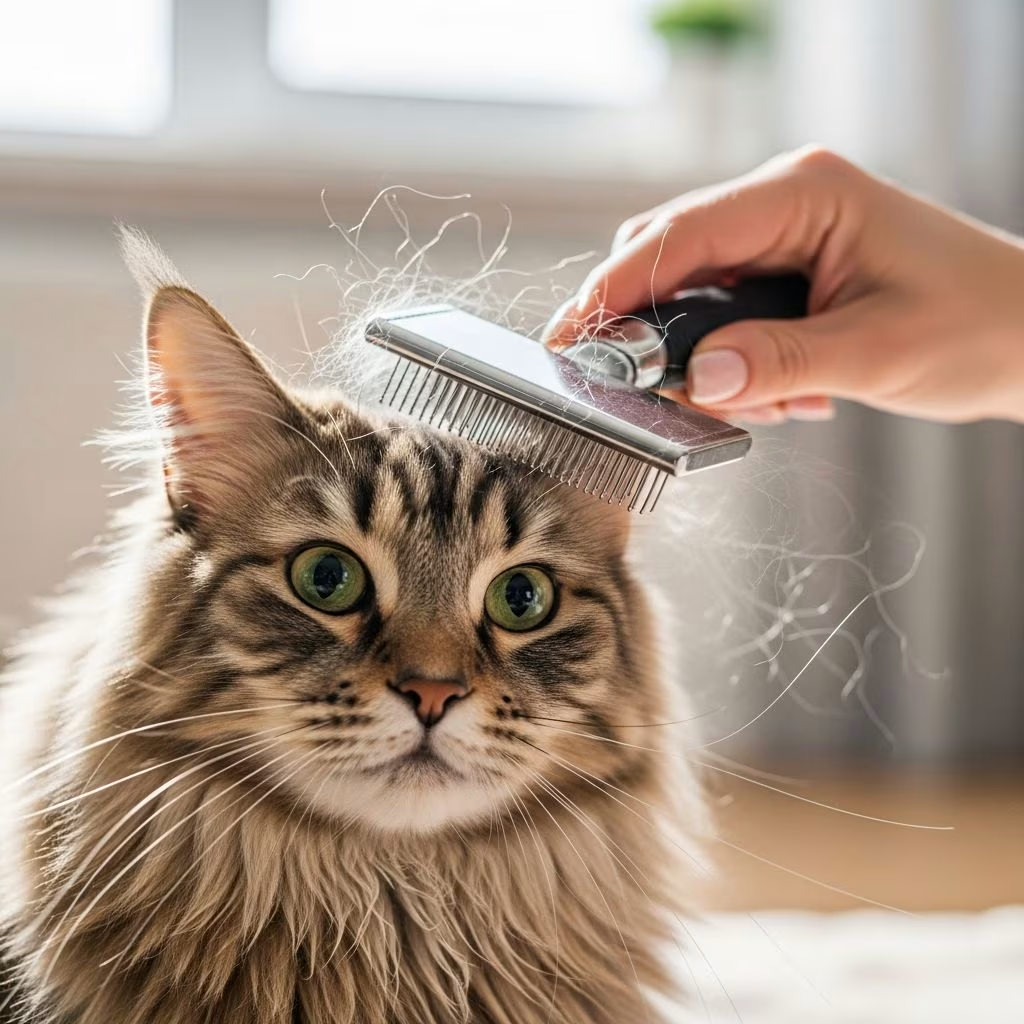
Cats generally benefit from regular brushing, but excessive frequency can lead to skin irritation or stress, depending on coat type and individual tolerance. Optimal routines range from weekly for short-haired cats to daily for long-haired ones, as supported by veterinary guidelines.
Why Brushing Matters for Your Cat’s Well-Being
Brushing removes loose fur, distributes natural oils, and prevents mats, reducing hairball risks and promoting skin health. It also strengthens the bond between you and your pet during calm sessions. For short-haired cats, weekly brushing suffices to manage shedding, while long-haired breeds need more attention to avoid tangles.
Regular grooming sessions allow early detection of issues like fleas, lumps, or wounds. Veterinary sources emphasize that all cats gain from brushing to eliminate dead skin cells and debris, keeping the coat shiny and clean.
Finding the Right Brushing Schedule by Coat Length
Different coat types dictate grooming needs. Short-haired cats thrive with minimal intervention, whereas long or silky coats demand consistent care to prevent matting.
- Short-Haired Cats: Brush once a week using a soft-bristled brush or grooming mitt to remove loose fur and oils.
- Medium-Haired Cats: Weekly sessions help control shedding; increase to twice weekly if shedding is heavy.
- Long-Haired Cats: Daily or every other day with a wide-toothed comb or slicker brush, focusing on prone areas like armpits and tail base.
- Hairless or Curly Coats: Less brushing needed, but weekly wipes or gentle passes prevent oil buildup.
Adjust based on lifestyle: indoor cats shed seasonally, while outdoor ones may need more frequent checks for dirt.
Signs You’ve Brushed Your Cat Too Much
Overbrushing manifests as skin redness, excessive scratching, or reluctance during sessions. It can strip protective oils, leading to dryness or irritation, especially if using harsh tools.
| Sign of Overbrushing | Description | What to Do |
|---|---|---|
| Skin Irritation | Redness, flakiness, or bald spots | Pause brushing for 3-5 days; apply vet-approved moisturizer |
| Behavioral Changes | Hiding, aggression, or avoidance | Shorten sessions; use treats for positive association |
| Coat Dullness | Lack of shine or increased shedding | Switch to softer tools; consult vet for diet check |
| Matting Increase | Paradoxical knots from uneven grooming | Professional detangling; daily light sessions |
Monitor for these to balance grooming benefits against harm.
Choosing the Best Tools for Gentle Grooming
Select brushes matching coat texture: rubber mitts for short fur, metal combs for detangling long coats. Deshedding tools work well seasonally but avoid daily use on sensitive skin.
- Slicker brushes: Ideal for removing undercoat without pulling.
- Wide-tooth combs: Prevent breakage in knotted areas.
- Grooming gloves: Fun, massage-like option for reluctant cats.
Always brush in fur growth direction, starting from head to tail, avoiding the belly until trust builds.
Techniques to Make Brushing Stress-Free
Begin with short, 5-minute sessions in a quiet space. Use treats or play to associate grooming positively. For tough spots, divide into multiple days.
Pro tips: Groom after meals when relaxed; never force; if cat struggles, seek professional help for mats.
When Professional Grooming Steps In
Home brushing handles most needs, but pros excel for baths (up to 4 times yearly for long coats), severe matting, or nail trims. Indoor cats need claws clipped every 8-12 weeks; outdoor ones wear naturally.
Vets recommend pros if home efforts fail, preserving cat comfort.
Bathing: Complement, Not Replacement for Brushing
Cats self-groom effectively; baths are rare, every 4-6 weeks max for dirty or oily coats. Overbathing dries skin; prefer brushing and wipes.
Health Monitoring During Grooming Time
Grooming reveals ear wax, dental plaque, or eye discharge. Pair with nail trims biweekly and ear cleans monthly for full care.
Seasonal Adjustments to Your Routine
Spring and fall shedding spikes demand extra brushing. Long-haired cats may need trims around sanitary areas year-round.
Common Myths About Cat Grooming Debunked
- Myth: All cats hate grooming. Fact: Most enjoy it with proper introduction.
- Myth: Brushing replaces bathing. Fact: Baths needed occasionally for specific cases.
- Myth: Daily for all coats. Fact: Tailor to type to avoid irritation.
Frequently Asked Questions
How often should I brush a short-haired cat?
Once weekly keeps shedding and mats at bay.
Is daily brushing safe for long-haired cats?
Yes, if gentle and monitored for skin health.
What if my cat resists brushing?
Use short sessions, right tools, and positives; consider pros if persistent.
Can overbrushing cause hairballs?
No, it reduces them; issues stem from under-grooming.
Do hairless cats need brushing?
Gentle wiping weekly manages oils.
References
- Grooming and Coat Care for Your Cat — VCA Animal Hospitals. 2023. https://vcahospitals.com/know-your-pet/grooming-and-coat-care-for-your-cat
- How Often Should I Take My Cat to the Groomer? — Cats.com. 2024. https://cats.com/how-often-should-i-take-my-cat-to-the-groomer
- The Ultimate Guide to Cat Grooming: Frequency and Tips for Pet Owners — The International Cat Association (TICA). 2023. https://tica.org/blogs/the-ultimate-guide-to-cat-grooming-frequency-and-tips-for-pet-owners/
- Grooming a Cat: A Guide to Bathing, Brushing & Trimming Nails — Purina. 2024. https://www.purina.com/articles/cat/health/routine-care/grooming-a-cat
- How Often Should You Bathe a Cat — Vetericyn Animal Wellness. 2024. https://vetericyn.com/blogs/vetericyn/how-often-should-you-bathe-a-cat



