

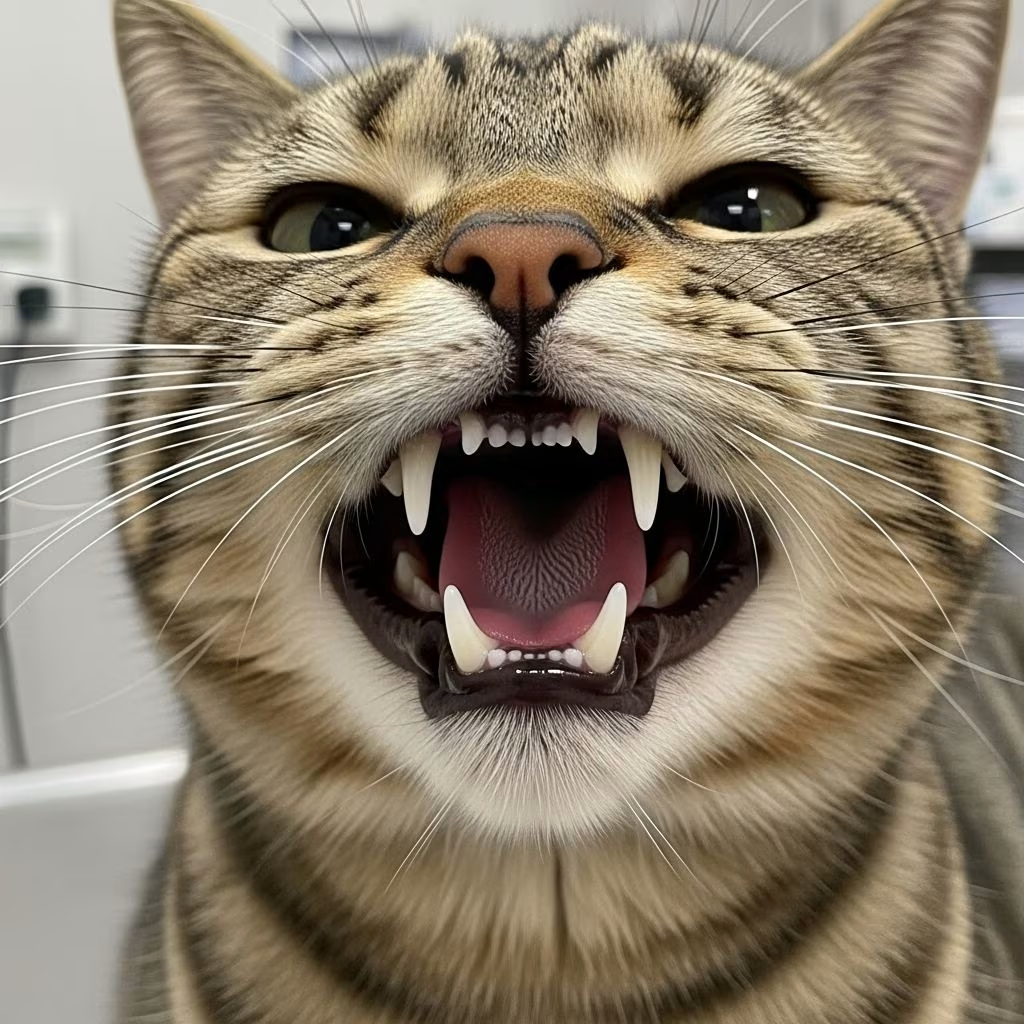
Cats cannot be literally allergic to their own teeth in the classical sense of an IgE-mediated hypersensitivity, but they can suffer from severe inflammatory conditions like feline stomatitis, which may stem from an abnormal immune response to dental plaque, bacteria, or even tooth enamel and roots. This painful oral disease mimics allergy-like reactions, affecting the gums, tongue, and mouth tissues, often requiring aggressive treatment such as full-mouth extractions for resolution.
What Is Feline Stomatitis?
Feline stomatitis is a chronic, debilitating inflammation of the mouth tissues, extending beyond simple gingivitis to involve the gums, lips, tongue, cheeks, and even the pharynx. Unlike gingivitis, which is confined to the gumline, stomatitis causes widespread ulceration and pain, making eating difficult and leading to weight loss.
This condition is believed to arise from an exaggerated immune system overreaction, possibly to plaque bacteria, viruses like calicivirus, or components of the teeth themselves, such as enamel or roots. Breeds like Persians and Himalayans appear predisposed, but any cat can develop it.
Symptoms of Stomatitis in Cats
Early detection is crucial as cats hide pain well. Common signs include:
- Foul mouth odor (halitosis): Often the first noticeable symptom due to bacterial overgrowth.
- Excessive drooling or salivation: Cats may drip saliva or paw at their mouth.
- Difficulty eating: Dropping food, preferring soft foods, swallowing without chewing, or outright refusal leading to weight loss.
- Red, swollen, ulcerated gums and mouth tissues: Bleeding gums and visible sores.
- Poor grooming and matted fur: Due to pain preventing self-care.
- Vocalizing or chattering while eating: Indicates jaw discomfort.
These symptoms overlap with other dental issues like periodontal disease or tooth resorption, which affects up to 75% of middle-aged cats, where the body resorbs tooth structures below the gumline, causing hidden pain.
Can Cats Be Allergic to Their Teeth?
The notion of a cat being ‘allergic’ to its own teeth refers to enamel hypoplasia or stomatitis cases where the immune system attacks tooth components. Veterinary literature describes ‘enamel allergy stomatitis,’ an immune-mediated reaction to tooth enamel or roots, leading to severe gingivostomatitis.
However, the primary trigger is more commonly an hypersensitive response to periodontal plaque bacteria or viral antigens, not a true allergy. This overreaction causes tissue destruction similar to autoimmune diseases. Dental infections can also extend inflammation to nasal passages, mimicking allergy symptoms like sneezing.
Distinguishing this from environmental allergies (e.g., pollen, dust) or food allergies is key, as true allergies cause itching, skin issues, or respiratory signs rather than isolated oral pain.
Causes of Stomatitis and Dental Inflammation in Cats
The exact etiology remains elusive, but contributing factors include:
- Plaque and bacterial buildup: Leads to periodontal disease in 70% of cats by age 3; tartar irritates gums.
- Immune dysregulation: Exaggerated response to normal oral flora.
- Viral infections: Calicivirus or herpesvirus may prime the immune system.
- Tooth resorption: Body breaks down teeth, causing chronic irritation.
- Genetic predisposition: Certain breeds more susceptible.
| Condition | Description | Prevalence |
|---|---|---|
| Periodontal Disease | Bacterial infection from plaque hardening into tartar | 70% by age 3 |
| Stomatitis | Widespread mouth inflammation, immune-mediated | Common in purebreds |
| Tooth Resorption | Tooth destruction below gumline | Up to 75% in older cats |
Diagnosis of Feline Dental Allergies and Stomatitis
Veterinarians diagnose via:
- Physical oral exam under anesthesia for full visualization.
- Intraoral radiographs to detect hidden resorption or abscesses.
- Biopsy of affected tissues to rule out cancer or confirm inflammation.
- Exclusion of other causes like foreign bodies or infections.
Early dental exams starting at a young age are recommended, as many cats show no overt signs.
Treatment Options for Cats with Stomatitis
Treatment escalates with severity:
- Conservative management: Professional dental cleaning, antibiotics, pain meds, and anti-inflammatories for mild cases.
- Full or partial tooth extractions: Gold standard for stomatitis; removing all premolars/molars resolves 80-90% of cases by halting plaque buildup.
- Immunosuppressants: Steroids or cyclosporine for refractory cases, though extractions are preferred.
- Supportive care: Soft diets, pain management, nutritional support for weight loss.
Post-extraction, most cats recover fully, eating kibble within weeks despite missing teeth.
Prevention of Dental Disease and Stomatitis in Cats
Proactive care reduces risks:
- Daily tooth brushing with pet-safe toothpaste to control plaque.
- Dental diets and treats: Approved by Veterinary Oral Health Council (VOHC).
- Regular vet dental cleanings: Annually for adults, with X-rays.
- Monitor for early signs: Bad breath, drooling, eating changes.
- Vaccinations: Against URI viruses that may contribute.
Avoid environmental irritants like smoke or strong cleaners that exacerbate symptoms.
When to See a Vet for Your Cat’s Dental Issues
Seek immediate care if you notice halitosis, drooling, eating difficulties, or pawing at the mouth. Delaying can lead to systemic spread of bacteria, organ damage, or malnutrition. Routine check-ups catch issues early.
Frequently Asked Questions (FAQs)
Can cats be allergic to their own teeth?
Not truly allergic, but stomatitis involves an immune overreaction to dental plaque or enamel, causing severe inflammation.
What are the first signs of stomatitis in cats?
Foul breath, drooling, and reluctance to eat are initial indicators.
Is tooth extraction a cure for feline stomatitis?
Yes, full-mouth extractions cure most cases by eliminating plaque sources.
How common is dental disease in cats?
Periodontal disease affects 70% by age 3; resorption up to 75% in seniors.
Can diet prevent cat stomatitis?
Dental diets help manage plaque but don’t prevent immune-mediated stomatitis alone.
References
- Cat Allergies: 8 Reasons Why Your Cat Keeps Sneezing — Dix Hills Animal Hospital. 2023-approx. https://dixhillsanimalhospital.com/blog/cat-allergies-8-reasons-why-your-cat-keeps-sneezing/
- Stomatitis in Cats: Symptoms, Causes and Treatment — PetMD. 2024-approx. https://www.petmd.com/cat/conditions/mouth/stomatitis-in-cats
- Cat Dental Diseases: Causes, Symptoms and Prevention — All Bay Animal Hospital. 2022-04-15. https://www.allbayanimalhospital.com/site/blog/2022/04/15/cat-dental-diseases-causes-symptoms-and-prevention
- Dental Disease in Cats — VCA Animal Hospitals. 2024-approx. https://vcahospitals.com/know-your-pet/dental-disease-in-cats
- Enamel Allergy (Stomatitis) in Cats — WagWalking. 2024-approx. https://wagwalking.com/cat/condition/enamel-allergy-stomatitis



