

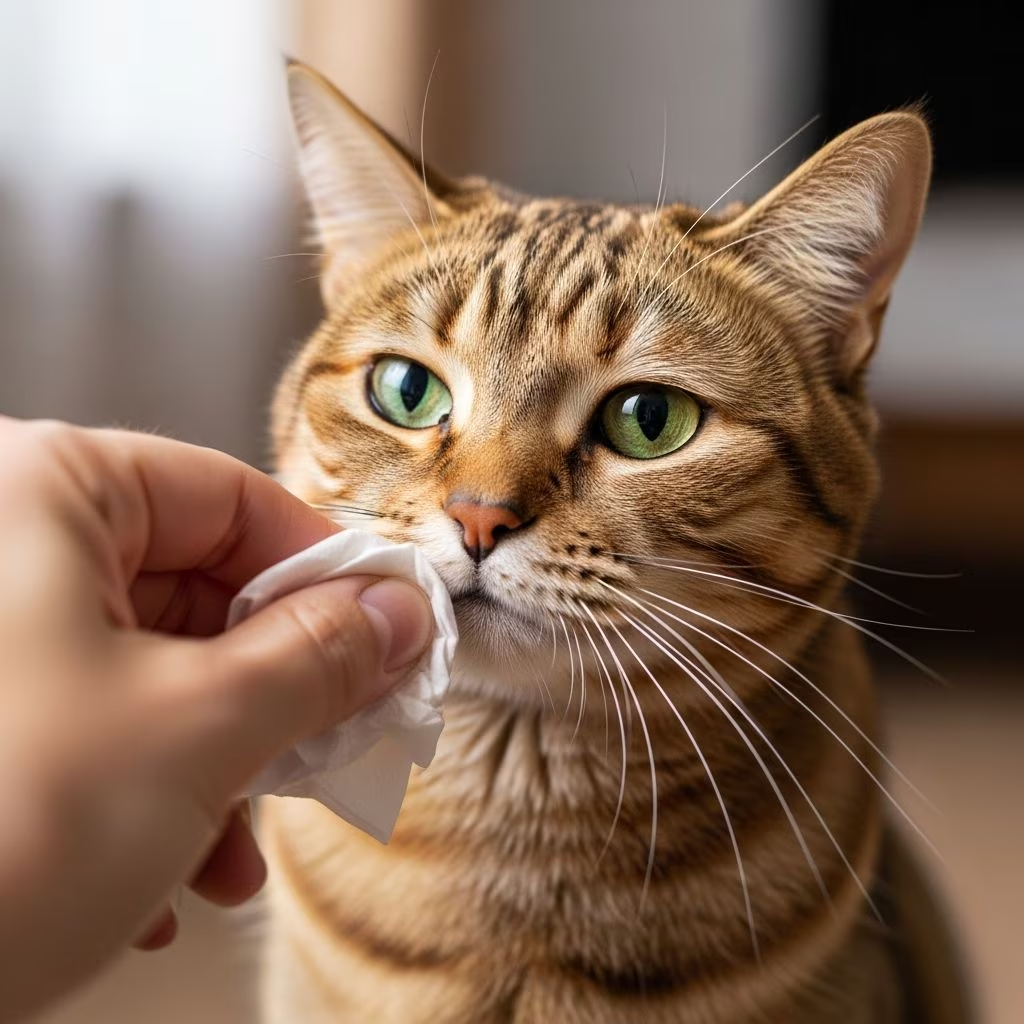
While human allergies to cats are well-documented, the reverse—cats being allergic to humans—is less common but possible. Cats can develop allergic reactions to substances produced by humans, such as skin dander, perfumes, and detergents, leading to discomfort and health issues. This article examines the evidence, symptoms, diagnosis, and management strategies based on veterinary insights.
What Causes Cats to Be Allergic to Humans?
Cats possess highly sensitive immune systems that can overreact to environmental allergens, including those from humans. Human dander, composed of dead skin cells, contains proteins that some cats may recognize as foreign invaders, triggering an allergic response. Additionally, chemicals in human hair products, scented lotions, laundry detergents, and even natural human scents like sweat can provoke reactions in predisposed felines.
- Human Dander: Flakes of human skin shed daily can accumulate on furniture, bedding, and floors where cats rest.
- Cosmetics and Cleaners: Fragrances and residues from shampoos, soaps, and household cleaners transfer via contact.
- Genetic Factors: Breeds like Siamese and Bengals may be more prone due to hereditary sensitivities.
Allergic reactions in cats occur when their immune system produces excessive IgE antibodies against these harmless substances, leading to inflammation.
Signs Your Cat Might Be Allergic to Humans
Recognizing allergies early is crucial for your cat’s well-being. Symptoms often mimic other conditions, so observation is key.
| Symptom | Description | Frequency |
|---|---|---|
| Itchy Skin | Excessive scratching, licking, or biting at paws, ears, face, or base of tail | Most Common |
| Skin Lesions | Redness, hair loss, scabs, or hot spots from self-trauma | Common |
| Respiratory Issues | Sneezing, watery eyes, nasal discharge, or wheezing | Occasional |
| Gastrointestinal Upset | Vomiting, diarrhea, or loss of appetite linked to grooming allergens off fur | Rare |
| Behavioral Changes | Irritability, hiding, or over-grooming | Variable |
These signs typically worsen with close human contact, such as cuddling or sleeping together.
How Are Human Allergens Different from Other Cat Allergens?
Unlike common feline allergens like pollen, fleas, or food, human-derived ones are contact-based and persistent in the home environment. Cats groom themselves extensively, ingesting allergens licked from their fur, which can lead to systemic reactions. While flea allergies cause intense itching at the tail base, human allergies often affect the head and neck first due to proximity during petting.
Diagnosing Human Allergies in Cats
Veterinary diagnosis involves ruling out other causes through a systematic approach.
- History Taking: Discuss your cat’s symptoms, environment, and human household habits.
- Physical Exam: Check for skin infections, parasites, or ear mites.
- Flea Control Trial: Strict flea prevention for 4-8 weeks to exclude flea allergy dermatitis.
- Skin or Blood Testing: Intradermal skin tests or serum IgE panels identify specific allergens, though human dander tests are less standardized.
- Elimination Diet Trial: If food allergy suspected, though rare for human links.
Advanced options include video monitoring of scratching patterns or biopsy for severe cases.
Treatment Options for Cats Allergic to Humans
Managing these allergies focuses on allergen avoidance, symptom relief, and immunotherapy.
- Environmental Control: Bathe humans more frequently, use unscented products, wash cat bedding weekly in hypoallergenic detergent, and vacuum with HEPA filters.
- Topical Therapies: Medicated shampoos, sprays, or wipes to soothe skin.
- Oral Medications: Antihistamines like chlorpheniramine or corticosteroids for flares (vet-prescribed).
- Apoquel or Cytopoint: Injectable treatments blocking itch signals, safe for long-term use.
- Allergy Shots (Immunotherapy): Custom vaccines based on test results to desensitize over months.
Newer approaches, inspired by human-cat allergy research, include hypoallergenic diets or supplements, though primarily studied for reducing cat Fel d 1 output rather than feline allergies to humans.
Prevention Tips for Cat Owners
Proactive steps can minimize risks:
- Introduce fragrance-free households gradually.
- Groom cats regularly to remove dander buildup.
- Maintain strict hygiene: no smoking indoors, limit guests with heavy scents.
- Choose breeds less prone, like hairless Sphynx (though they still produce allergens via saliva).
- Monitor for early signs during kittenhood when allergies may emerge.
FAQs
Can all cats be allergic to humans?
No, only a small percentage develop sensitivities, often influenced by genetics and exposure levels.
Is it dangerous for my cat?
Rarely life-threatening, but untreated allergies lead to secondary infections and chronic discomfort.
How long does treatment take?
Improvement varies; environmental changes show quick results, immunotherapy may take 6-12 months.
Can switching litter help?
Yes, unscented, low-dust litters reduce irritants that exacerbate skin issues.
What if symptoms persist?
Consult a veterinary dermatologist for advanced diagnostics like patch testing.
Related Topics: Human Allergies to Cats
Conversely, 10-20% of humans are allergic to cats due to Fel d 1 protein in cat saliva, skin, and urine, twice as common as dog allergies. Innovations like anti-Fel d 1 diets fed to cats (reducing active allergen by up to 47% in saliva and fur) and vaccines show promise for coexistence.
These human-focused solutions indirectly benefit allergic cats by promoting cleaner homes, though direct feline allergy management remains key.
References
- Human allergy to cats: A review for veterinarians on prevalence, causes, symptoms and control — Bonnet B, et al. PMC. 2021-12-20. https://pmc.ncbi.nlm.nih.gov/articles/PMC8721530/
- Human allergy to cats: A review of the impact on cat ownership and relinquishment — Bonnet B, et al. PMC. 2021-12-20. https://pmc.ncbi.nlm.nih.gov/articles/PMC8721548/
- Scientists May Have Found Out How to Get Rid of Cat Allergies — PetMD. 2023-05-15. https://www.petmd.com/cat/pet-lover/scientists-may-have-found-out-how-get-rid-cat-allergies
- Neutralizing Allergens – Fact vs Fiction — Purina Institute. 2024-01-10. https://www.purinainstitute.com/science-of-nutrition/neutralizing-allergens/fact-vs-fiction
- Pet allergy – Symptoms & causes — Mayo Clinic. 2025-08-12. https://www.mayoclinic.org/diseases-conditions/pet-allergy/symptoms-causes/syc-20352192
(Word count: 1678)



