

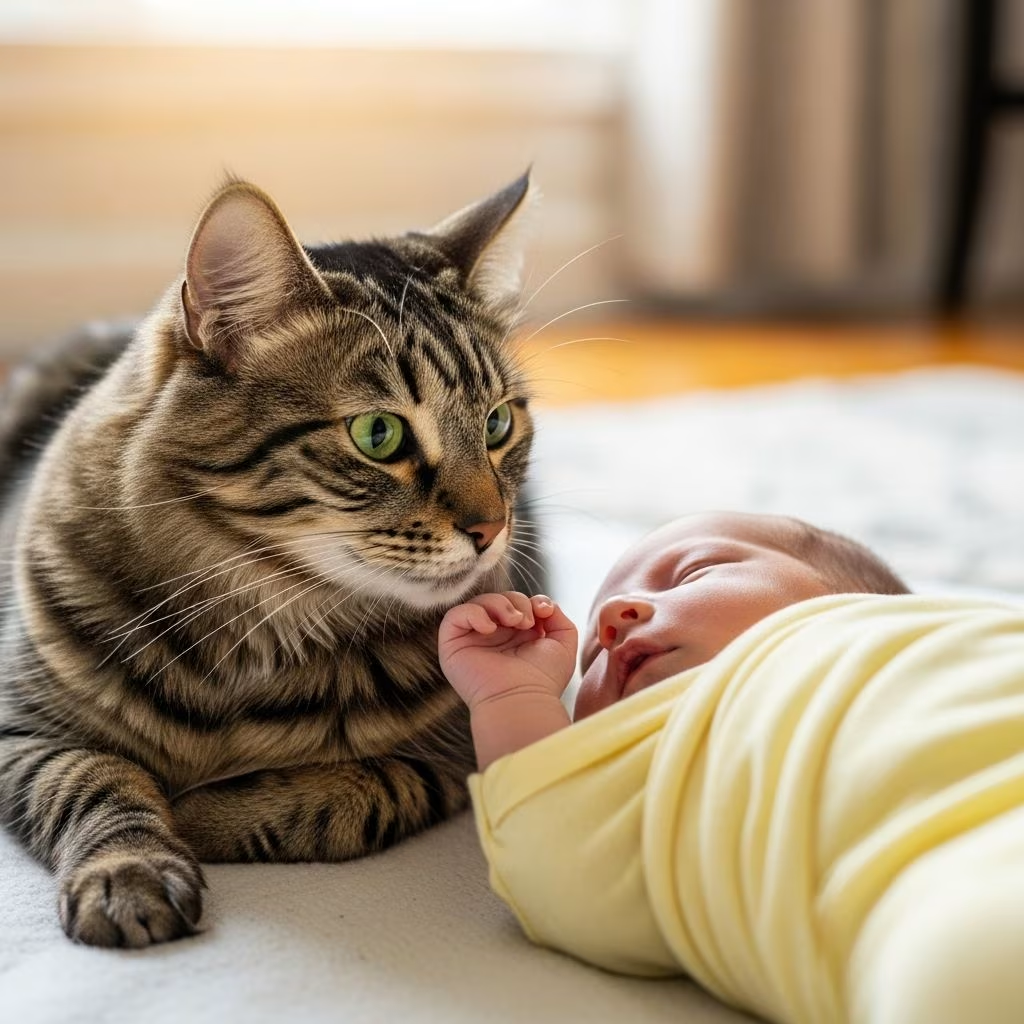
Can Cats and Newborns Interact Safely?
Welcoming a newborn into a home with a cat requires thoughtful planning and careful management. The good news is that with proper preparation and supervision, cats and newborns can interact safely and even develop loving, lifelong bonds. Understanding the potential risks and implementing preventive measures will help create a secure environment where both your feline companion and your baby can thrive.
Understanding the Risks
While most cats are naturally gentle creatures, the introduction of a newborn brings unique challenges that pet owners must navigate carefully. Newborns are particularly vulnerable because they cannot move their heads, roll over, or communicate their discomfort in the early weeks of life. A cat seeking warmth might snuggle close to a baby’s face, potentially obstructing the infant’s breathing. Additionally, even unintentional swipes from a cat’s paw or tail can cause harm to delicate newborn skin.
Cats may also experience stress from the sudden changes in their environment, routine, and the introduction of unfamiliar sounds and smells. This stress can manifest in behavioral changes, including increased anxiety, aggression, or inappropriate elimination outside the litter box. Understanding these potential issues allows you to take proactive steps to minimize risks and promote a positive relationship between your cat and newborn.
Preparing Your Cat Before Baby Arrives
The months leading up to your baby’s arrival are crucial for acclimating your cat to the changes ahead. Proper preparation can significantly reduce your cat’s anxiety and help them adapt more smoothly to the new family member.
Desensitization to Baby Sounds
Cats can be startled by unexpected loud noises, and baby sounds are certainly unfamiliar to most felines. Begin exposing your cat to recorded crying, cooing, and gurgling sounds several months before your due date. Start at a low volume and gradually increase the sound level as your cat becomes acclimated to these new auditory stimuli. Playing recordings for short periods daily will help your cat develop familiarity with these sounds without overwhelming them.
Introducing Baby Smells and Objects
Cats rely heavily on their sense of smell to understand their world. Before bringing your baby home from the hospital, ask a friend or family member to bring home an item that carries your baby’s scent. Alternatively, you can rub baby lotions or creams on your own skin so your cat can become accustomed to these new aromas and begin developing positive associations with them. Place baby-related items around your home so your cat can explore and investigate them at their own pace.
Adjusting Your Cat’s Daily Routine Gradually
Your cat has established routines around feeding, playtime, and your attention. Begin making gradual adjustments to these routines before the baby arrives so your cat has time to adapt. If you plan to change feeding times or reduce the amount of time available for play sessions, implement these changes slowly over several weeks. This gradual approach helps prevent sudden stress and behavioral problems when the baby arrives.
Modifying Play Behavior
If your cat enjoys playing with your hands, now is the time to redirect this behavior. Discourage hand-based play games and instead encourage your cat to interact with toys and other appropriate objects. Teaching your cat that only toys are suitable for play will help prevent accidental scratches or bites when the baby is old enough to interact with the cat more closely.
Creating Safe Spaces for Your Cat
Cats are independent animals that value having their own personal space where they can retreat when feeling overwhelmed. Creating designated safe zones for your cat is essential for their well-being and helps reduce stress in the new household dynamic.
Setting Up High Perches and Hiding Spots
Install cat trees, shelves, or other elevated surfaces where your cat can observe the baby from a distance while remaining undisturbed. Cats naturally feel safer when they’re up high and can monitor their environment. Provide cozy hiding spots such as cat tunnels, enclosed beds, or closet spaces where your cat can retreat when needing alone time away from the baby’s sounds and movements.
Establishing a Safe Room
Consider designating a “safe room” equipped with your cat’s essential resources—litter box, food, water, toys, and scratching posts. This room should be off-limits to the baby and provides your cat with a secure retreat where they can relax without interruption. You can use a baby gate in the doorway to allow your cat to move freely while keeping the baby out of this space.
Using Barrier Methods
Baby gates and screen doors can be valuable tools for managing interactions between your cat and newborn. Screen doors allow your cat to see and hear the baby without unattended access, while baby gates create physical barriers when necessary. Close the nursery door when your baby is sleeping to prevent your cat from entering unsupervised.
Maintaining Your Cat’s Routine and Attention
One of the most important things you can do for your cat during this transition is to maintain their established routines as much as possible. Despite the demands of a newborn, continuing regular feeding schedules, playtime, and affectionate interactions reassures your cat that they remain a valued family member.
Dedicate specific times each day for one-on-one interaction with your cat. This might include brushing sessions, play with their favorite toys, or quiet cuddling time. These moments help maintain your bond and reduce feelings of jealousy or abandonment that your cat might experience. Even brief, consistent interactions can make a significant difference in your cat’s adjustment to the new family dynamic.
The Introduction Process
When you bring your newborn home from the hospital, managing the introduction carefully will set the tone for future interactions. Take time to allow your cat and baby to meet in a calm, controlled manner.
Creating a Quiet Introduction Environment
Amidst the excitement and visitors that often accompany bringing a newborn home, set aside quiet, uninterrupted time for your cat to meet the baby. Keep this initial meeting low-key, allowing your cat to approach the baby at their own pace without forcing interaction or holding the cat restraint-free.
Allowing Exploration and Investigation
Permit your cat to investigate the baby using their natural senses. Offer your cat a baby blanket or piece of clothing in a quiet space where they can explore at their own pace, becoming gradually accustomed to the baby’s scent and presence. This self-directed exploration is less stressful than forced interaction and allows your cat to build comfort gradually.
Rewarding Positive Behavior
When your cat displays calm, gentle behavior around the baby, provide immediate positive reinforcement through treats and praise. This positive association helps your cat link the baby’s presence with rewarding experiences. Never hold or restrain your cat during these interactions; if your cat becomes stressed or hisses, calmly remove the baby and walk away without punishment.
Safety Measures for Cat-Baby Coexistence
Establishing clear safety protocols protects both your baby and your cat while allowing them to share the same household safely.
Preventing Access to Sleeping Areas
The crib, bassinet, and other baby sleeping areas must remain off-limits to your cat at all times. Close the nursery door when the baby is sleeping, and use baby gates to prevent access when you cannot supervise. This prevents the possibility of your cat unknowingly obstructing the baby’s breathing or causing accidental injury.
Maintaining Hygiene Standards
With a newborn in the home, it’s more important than ever to keep your cat clean and free of parasites. Maintain current preventative prescriptions and schedule regular veterinary checkups. Place used diapers and soiled clothing directly in a sealed receptacle to prevent your cat from using these items inappropriately or creating additional mess.
Supervising All Interactions
Never leave your baby and cat alone together, regardless of how gentle you believe your cat to be. All interactions must occur under direct adult supervision to intervene if needed and ensure both the baby’s safety and the cat’s ability to have control over the interaction. As your baby grows and becomes more mobile and unpredictable, supervision becomes even more critical.
Preventing Hand-Based Play
Ensure your cat cannot mistake the baby’s hands for toys. Teach your baby from an early age to pet the cat gently along the head and back, avoiding tail pulling or squeezing. If your baby begins to pull your cat’s tail, immediately reward your cat with treats so they develop a positive association with being handled in this manner.
Using Environmental Tools
Several environmental modifications can help prevent unwanted cat behavior around baby-exclusive areas. Double-sided sticky tape placed around the crib and changing table discourages cats from walking on these surfaces, as cats strongly dislike the sticky sensation. Providing appropriate scratching posts throughout your home gives your cat a healthy outlet for stress and redirects scratching behavior away from furniture and baby items.
Recognizing and Addressing Cat Stress
Despite your best efforts, some cats may struggle with the transition. Watch for signs of stress including increased hiding, excessive vocalization, changes in appetite, litter box issues, or aggressive behavior. The range of reactions varies widely depending on your individual cat’s temperament and previous socialization experiences.
If your cat shows signs of severe stress or anxiety, consult with your veterinarian or a certified animal behaviorist for guidance. In some cases, providing medication or implementing behavior modification techniques can help your cat adjust more comfortably to their new family structure.
Long-Term Harmony and Bonding
Building a harmonious relationship between your cat and baby takes time and patience. Some cats quickly embrace the baby as a new family member, while others prefer to maintain distance. Both responses are normal, and respect for your cat’s boundaries is essential.
As your baby grows, they can learn to appreciate and respect your cat’s needs and preferences. This mutual respect and understanding can develop into a beautiful lifelong bond where your child and cat become devoted companions. The effort you invest in proper introduction and management during the newborn phase will pay dividends throughout your pet and child’s shared years together.
Frequently Asked Questions
Q: Is it safe for cats to be around newborns?
A: Yes, cats and newborns can safely coexist with proper supervision, preparation, and safety measures in place. Most cats accept newborns without significant issues, though individual temperament varies.
Q: Can a cat hurt a newborn while they sleep?
A: While unlikely, a cat seeking warmth might sleep near a baby’s face, potentially obstructing breathing. Keeping the nursery door closed and the crib off-limits prevents this risk entirely.
Q: How long does it take for a cat to adjust to a newborn?
A: Adjustment timelines vary by individual cat, ranging from days to several weeks. Patience and consistent positive reinforcement help facilitate faster adaptation.
Q: Should I restrict my cat’s access to the baby entirely?
A: No. Supervised, controlled interactions help your cat and baby bond. The key is preventing unsupervised access, particularly during sleep times, while encouraging positive interactions under your watchful eye.
Q: What should I do if my cat hisses or swipes at the baby?
A: Calmly separate them without punishment. Your cat is communicating discomfort or boundary-setting. Continue gradual introductions and consult a veterinary behaviorist if the behavior persists.
Q: How can I prepare my cat for baby sounds before the baby arrives?
A: Play recordings of baby crying, cooing, and gurgling at low volumes for short periods daily. Gradually increase the volume as your cat becomes accustomed to these sounds.
Q: Is toxoplasmosis a concern when cats and babies share a home?
A: Toxoplasmosis transmission is rare and primarily occurs through contact with cat feces. Maintaining excellent litter box hygiene, keeping your cat indoors, and preventing your baby from touching the litter box minimizes any risk.
References
- Welcoming a New Baby if You Have a Cat — Northeast Animal Hospital. https://northeastanimalhospital.com/news/expecting-new-baby-when-you-have-cat
- Introducing Cat to Baby: Keeping Baby Safe and Kitty Secure — WebMD Pets. https://www.webmd.com/pets/cats/new-baby-cat-safety
- Cats and Babies — ASPCA. https://www.aspca.org/pet-care/cat-care/cats-and-babies
- Preparing Your Cat for Your New Baby — ARF Hamptons. https://arfhamptons.org/preparing-your-cat-for-your-new-baby/
- Cats and Babies: Safety and Establishing Harmony — Healthline. https://www.healthline.com/health/baby/cats-and-babies
- Cats and babies — International Cat Care. https://icatcare.org/articles/cats-and-babies
- Babies, Toddlers and Cats – Toxoplasmosis, Marking & Anxiety — The Feline Hospital. https://thefelinehospital.com/babies-toddlers-and-cats-toxoplasmosis-marking-anxiety/



