

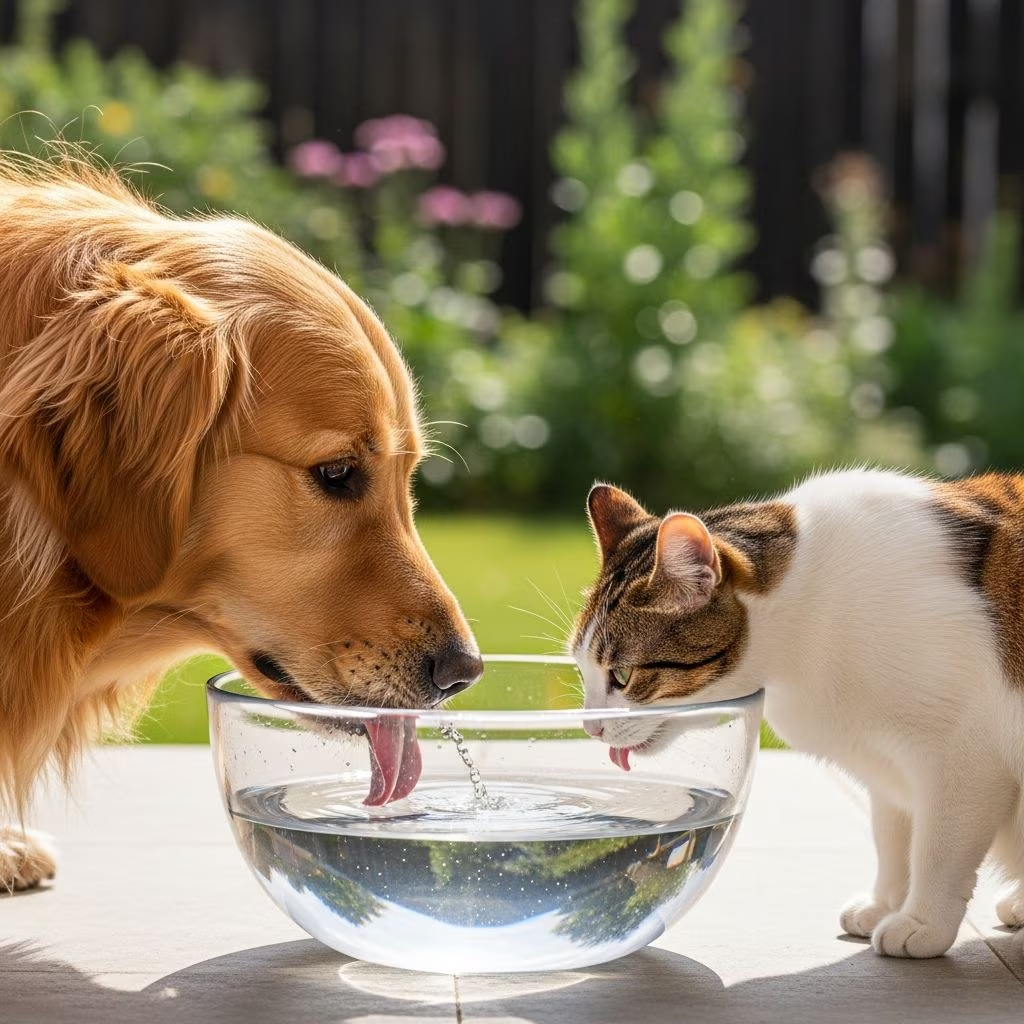
In multi-pet households, questions about resource sharing often arise, particularly around water bowls. While cats and dogs can technically share water without major nutritional issues—unlike food, which has vastly different requirements—several factors influence whether this is advisable. This comprehensive guide examines the safety, potential risks, behavioral considerations, and best practices for ensuring both your cat and dog stay properly hydrated.
Is It Safe for Cats and Dogs to Share a Water Bowl?
The short answer is yes, it is generally safe for cats and dogs living in the same household to drink from the same water bowl, provided they are both healthy and comfortable with the arrangement. Unlike food, water does not carry species-specific nutritional differences that could harm one pet when consumed by the other. Dogs “stealing” water from a cat’s bowl or vice versa poses no serious health consequences in most cases.
However, safety hinges on more than just nutrition. Pets in the same home are already exposed to similar pathogens through shared spaces, toys, bedding, and human handling. Sharing a water bowl does not significantly elevate disease transmission risks beyond these everyday interactions. Bacteria, parasites, or viruses could theoretically spread via contaminated water, but household pets build immunity to common exposures, minimizing impact.
Texas A&M veterinary expert Dr. Lori Teller notes that for water—unlike food—sharing among household dogs (and by extension, cats and dogs) rarely causes issues, as exposures are comparable. Still, monitor for signs of illness like lethargy, vomiting, or diarrhea, and consult a vet if concerns arise.
Potential Health Risks of Sharing Water Bowls
While low-risk for healthy pets, sharing isn’t entirely without hazards. Key concerns include:
- Disease Transmission: Saliva from one pet can introduce bacteria or parasites into the water. In multi-pet homes, this risk is diluted by constant shared exposures, but immunocompromised animals may be vulnerable.
- Dehydration Risk: Cats are notoriously territorial about water sources. A dominant dog drinking from the cat’s bowl might deter the cat from hydrating adequately, leading to dehydration—a serious issue causing urinary tract problems or kidney strain.
- Contamination from External Sources: If pets venture outdoors, they might carry parasites like Giardia or Leptospira, potentially contaminating shared bowls.
Public or communal bowls amplify risks due to unknown cleanliness and exposures from stranger animals or wildlife. Stick to home-shared bowls for controlled environments.
Behavioral Considerations: Territoriality and Resource Guarding
Cats often view water bowls as personal territory, more so than dogs. Your cat might avoid drinking if the dog frequents “their” bowl, opting instead for less convenient sources or none at all. Watch for avoidance behaviors like pawing at water or drinking from toilets/fountains.
Dogs, conversely, are usually less fussy but may exhibit resource guarding—growling or blocking access if they perceive competition. This dominance display is natural in mixed-species hierarchies but can escalate to aggression.
Observe interactions: If both pets drink peacefully side-by-side, sharing works. Signs of stress—hissing, swatting, or avoidance—signal separate bowls. Training can help: Reward calm sharing with treats, gradually introducing shared access.
Pros and Cons of Cats and Dogs Sharing a Water Bowl
| Pros | Cons |
|---|---|
|
|
Best Practices for Water Bowls in Multi-Pet Homes
To balance convenience and safety:
- Provide Multiple Stations: Place 2-3 bowls around the house—elevated for cats, ground-level for dogs. This reduces competition and ensures access.
- Cleaning Routine: Wash daily with hot, soapy water; refresh water 2-3 times daily. Use stainless steel or ceramic bowls for hygiene over plastic, which harbors bacteria.
- Bowl Size and Placement: Choose wide, stable bowls large enough for both but positioned in quiet areas away from litter boxes or food.
- Monitor Intake: Track drinking habits. Cats need 3-4 oz per 5 lbs body weight daily; dogs about 1 oz per lb. Tools like smart fountains can help.
- Separate for Health Issues: Isolate bowls if one pet has a medical condition or quarantine needs.
For free-roaming pets like cats and dogs, sharing is fine if comfortable; confined species (e.g., birds, reptiles) should not share.
When Should Cats and Dogs Not Share Water Bowls?
Avoid sharing if:
- One pet shows aggression or extreme territoriality.
- A pet has health issues (e.g., kidney disease requiring monitored intake).
- Pets are new to each other—introduce gradually with separate resources.
- One is unvaccinated or recently rescued with unknown history.
Separate habitats (e.g., aquarium pets) demand exclusive bowls.
Alternatives to Traditional Water Bowls
Enhance hydration with:
- Pet Water Fountains: Circulating water appeals to cats’ preference for running sources, encouraging drinking.
- Smart Monitors: Devices track intake remotely, alerting to dehydration risks.
- Portable Bottles: Ideal for walks, avoiding public bowls.
Frequently Asked Questions (FAQs)
Can dogs drink from a cat’s water bowl without harm?
Yes, there are no serious health issues from dogs drinking cat water or sharing bowls, as long as both pets are healthy.
Will sharing cause my cat to stop drinking?
Possibly, due to territorial instincts. Provide alternatives if you notice avoidance.
How often should I clean shared pet water bowls?
Daily with soap and hot water; change water multiple times a day.
Is it safe for puppies or kittens to share with adults?
Generally yes in vaccinated households, but monitor closely as young pets are more susceptible.
What about public water bowls at dog parks?
Avoid them—unknown contaminants from multiple animals pose higher risks.
Conclusion: Prioritize Hydration and Harmony
Cats and dogs can share water bowls safely in most cases, but individual behaviors and health status dictate the best approach. Multiple clean bowls promote peace and prevent dehydration. Consult your vet for personalized advice in multi-pet homes.
References
- Is It Okay If My Dog Drinks from My Cat’s Water Bowl? — Sure Petcare. 2023. https://www.surepetcare.com/en-us/advice-news/cat-care/general-cat-care/is-it-okay-if-my-dog-drinks-from-my-cats-water-bowl
- Is It Harmful to Allow Animals of Different Species to Share the Same Water Bowl? — PF Depot. 2023. https://pfdepot.com/blogs/news/is-it-harmful-to-allow-animals-of-different-species-to-share-the-same-water-bowl
- Harmful to let Animals of Different Species Share a Water Bowl? — WMGK / Concord Pet Foods & Supplies. 2021-05-09. https://wmgk.com/2021/05/09/water-bowl/
- Summer Watering Hole—Beware! Are Shared Water Bowls Safe for Dogs? — Puppy Love Pet Care Company. 2023. https://www.puppylovepetcarecompany.com/post/summer-watering-hole-beware
- Sharing Is Not Always Caring: Realities Of Communal Water Bowls — Texas A&M College of Veterinary Medicine & Biomedical Sciences. 2023. https://vetmed.tamu.edu/news/pet-talk/public-water-bowls/
- Can Cat and Dog Share Water Bowl: What You Need to Know — UAH Pet. 2023. https://www.uahpet.com/blogs/post/can-cat-and-dog-share-water-bowl-what-you-need-to-know



