

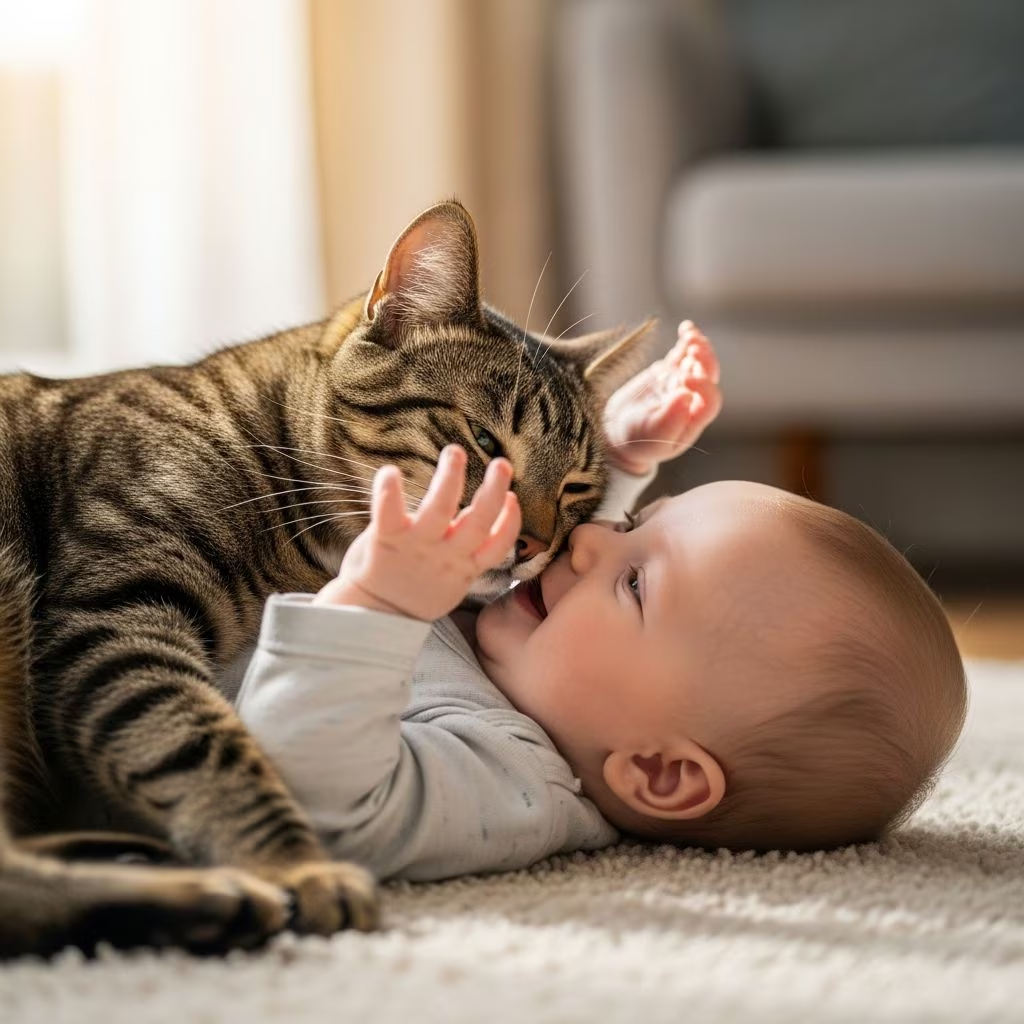
Cats and babies can absolutely coexist peacefully and even form bonds, but it requires thoughtful preparation, constant supervision, and understanding both species’ needs. Many families successfully integrate cats and newborns by addressing safety concerns, managing stress, and setting boundaries early.
Debunking Myths About Cats and Babies
Common myths often create unnecessary fear around cats and infants. One persistent urban legend claims cats steal babies’ breath by suffocating them in cribs—this is false. Cats may seek warmth near a baby’s face, but newborns cannot turn their heads, posing a real suffocation risk if unsupervised. Always keep cats out of cribs, bassinets, and sleep areas.
Another myth involves toxoplasmosis, a parasite from cat feces that can harm fetuses but poses low risk to healthy babies if hygiene is maintained. Keep cats indoors, avoid raw meat diets, wear gloves for litter changes, and prevent children from accessing litter boxes.
Cats are not inherently aggressive toward babies; they typically avoid threats by hiding rather than attacking. However, stress from changes can lead to scratches or bites, emphasizing the need for preparation.
Preparing Your Cat for the Baby’s Arrival
Start preparations early—at least one to two months before the due date—to minimize stress. Cats dislike change, so gradual adjustments help them adapt.
- Set up the nursery early: Assemble cribs, changing tables, and furniture weeks in advance. Allow your cat to explore, then make baby surfaces unappealing with double-sided tape or cardboard covered in sticky adhesive. This deters cats from sleeping there.
- Introduce baby sounds: Play recordings of crying, cooing, and baby noises starting softly and increasing volume over time. This desensitizes your cat to startling sounds.
- Familiarize with scents: Rub baby lotion or powder on yourself and furniture. Send home a blanket with the baby’s scent from the hospital for gradual exposure.
- Provide escape routes: Install high perches, cat trees, and safe rooms where your cat can retreat from noise and activity.
- Maintain routine: Keep feeding, play, and litter schedules consistent. Add stress-relief toys like scratching posts to outlet anxiety.
- Veterinary check-up: Ensure vaccinations, flea prevention, and nail trims are current. Discuss pheromone diffusers like Feliway for calming.
During pregnancy, avoid befriending strays and keep your cat indoors to prevent toxoplasmosis exposure.
Bringing Baby Home: The First Introduction
The homecoming can be overwhelming with visitors and new routines. Prioritize a calm introduction.
- Quiet time first: Settle in without guests. Hold the baby while petting your cat to associate the scent positively.
- Scent swap: Let the cat sniff a baby blanket or clothing in a safe spot, rewarding calm behavior with treats or praise.
- Supervised meetings: Sit with the baby in a carrier; allow the cat to approach at its pace. Never force interaction—let the cat leave if stressed.
- Door barriers: Close nursery doors during naps or use baby gates/screens so the cat can see/hear but not enter unsupervised.
Avoid leaving them alone, even briefly, as cats may unintentionally knock over items or jump on the baby.
Daily Life with Cat and Baby: Safety Rules
Ongoing management ensures safety as the baby grows.
| Age Stage | Key Safety Tips | Potential Risks |
|---|---|---|
| Newborn (0-6 months) | Never allow cat in crib/bassinet; supervise all interactions; door closed for sleeps. | Suffocation from warmth-seeking; accidental scratches. |
| Infant (6-12 months) | Use gates; teach gentle touches; trim nails regularly. | Grabbing fur/tail causing defensive swats. |
| Toddler (1+ years) | Supervise play; use toys only; provide cat escapes. | Rough handling leading to bites/scratches; stress urination. |
- Hygiene first: Clean cat regularly; seal dirty diapers promptly to avoid litter-box confusion.
- No rough play: Stop hand-playing games early; use toys to teach appropriate play.
- Monitor stress: Watch for hiding, tail twitching, flattened ears, or spraying. Provide quiet zones.
- Training for kids: As baby grows, teach sitting to pet, supporting the cat fully, and no chasing.
Signs Your Cat Is Stressed and How to Help
Cats show stress subtly. Common signs include excessive grooming, appetite loss, aggression, or inappropriate elimination.
- Body language: Dilated pupils, low crouch, swishing tail—separate immediately.
- Solutions: Increase playtime, use pheromone products, consult a vet for behaviorists if persistent.
Patience is key; some cats take weeks to adjust and may prefer distance over friendship.
Long-Term Harmony: Tips for Success
With time, many cats become protective or affectionate toward babies. Foster this by:
- Rewarding calm behavior around the baby.
- Maintaining the cat’s routine amid family changes.
- Never punishing fear responses—instead, redirect positively.
- Considering multi-cat homes: Introduce gradually to avoid jealousy.
Even “unfriendly” cats can coexist safely with boundaries. If issues arise, professional trainers or vets can help.
Frequently Asked Questions (FAQs)
Can cats suffocate babies?
No myth, but risk exists if cats sleep near newborns who can’t move. Keep cats out of sleep areas with doors/gates.
Is toxoplasmosis a big risk for babies?
Low if you keep cats indoors, change litter daily with gloves, and wash hands. Avoid raw diets.
How do I stop my cat from sleeping in the crib?
Prep early with sticky tape on surfaces; block access during sleeps.
What if my cat hisses at the baby?
Sign of stress—provide escapes, desensitize with sounds/scents, supervise closely.
Are some cats better with babies?
Cats with dog-like temperaments or early socialization adapt best, but all can with prep.
Should I rehome my cat before the baby?
No—most thrive with management. Rehoming adds stress; focus on preparation.
References
- Cats and Babies — ASPCA. 2023. https://www.aspca.org/pet-care/cat-care/cats-and-babies
- Cats and Babies: Safety and Establishing Harmony — Healthline. 2023-10-15. https://www.healthline.com/health/baby/cats-and-babies
- Introducing Cat to Baby: Keeping Baby Safe and Kitty Secure — WebMD. 2024. https://www.webmd.com/pets/cats/new-baby-cat-safety
- Introducing Cats to Children — Humane Society of Huron Valley (HSHV). 2023. https://www.hshv.org/introducing-cats-to-children/
- Cats and Babies – Information and Advice — Cats Protection. 2024. https://www.cats.org.uk/help-and-advice/cats-and-your-family/cats-and-babies
- Children and Pets — VCA Animal Hospitals. 2023. https://vcahospitals.com/know-your-pet/children-and-pets



