

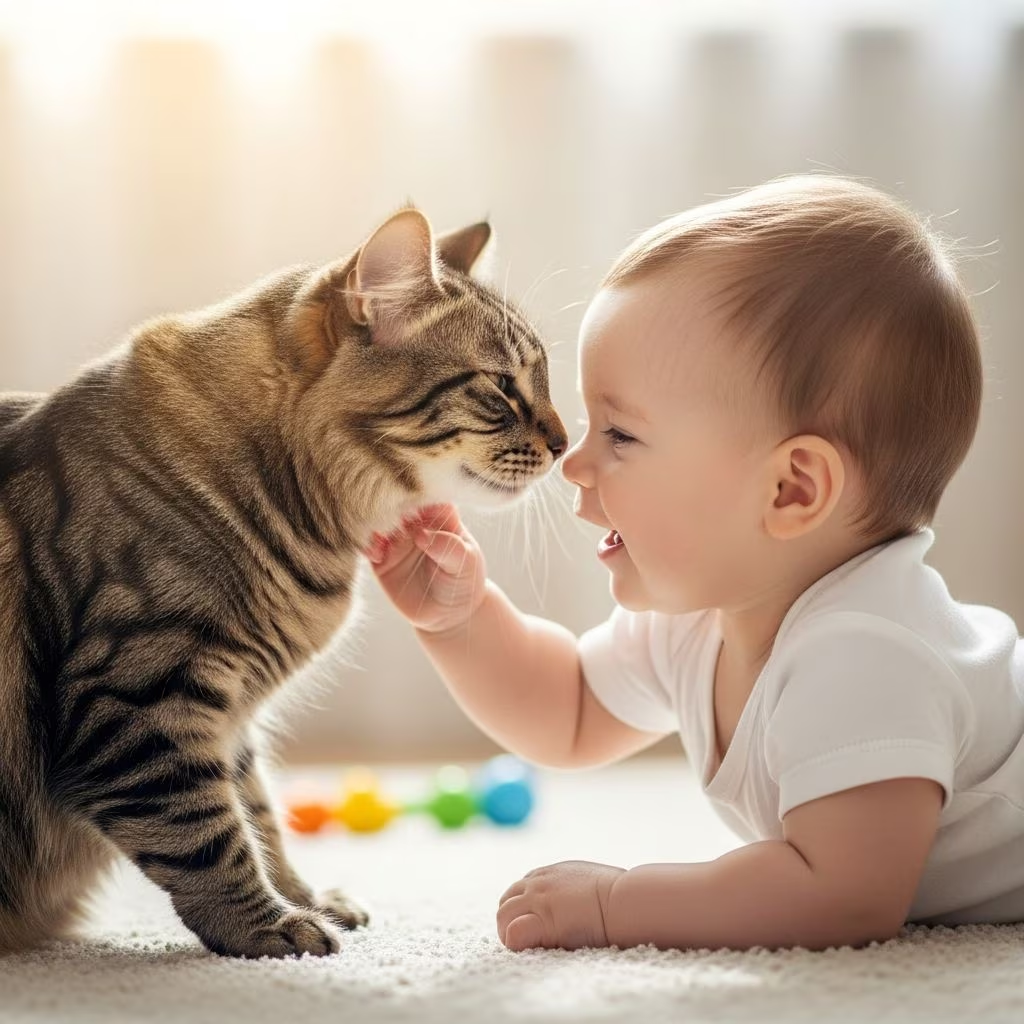
Many families wonder if cats and babies can coexist peacefully, and the answer is a resounding yes—with careful preparation and ongoing supervision. Cats are adaptable creatures, but the arrival of a newborn brings significant changes to their environment, routine, and family dynamics. By proactively addressing your cat’s needs and establishing safety protocols, you can help them become unlikely but loving companions to your little one. This guide draws from veterinary and animal welfare experts to provide comprehensive strategies for success.
Preparing Your Cat for the Baby’s Arrival
Preparation is key to a smooth transition. Start months before the due date to minimize stress for your cat. Gradually introduce changes to mimic the baby’s impact, allowing your feline friend time to adjust.
- Set up the nursery early: Assemble cribs, changing tables, and other furniture well in advance. Allow your cat to explore these spaces, then make them unappealing by covering surfaces with double-sided tape or cardboard sheets secured with masking tape. This deters cats from jumping on restricted areas.
- Shift routines in advance: If caregiving duties will change post-birth—such as feeding or grooming—transition them one to two months early. This helps your cat adapt to new handlers without added baby-related stress.
- Acclimate to baby sounds and smells: Play recordings of baby cries, coos, and gurgles at low volumes, gradually increasing intensity. Introduce baby-scented items like blankets or lotions on your skin to create positive associations through treats and play.
- Keep cats indoors: Avoid contact with strays or neighborhood cats during pregnancy to prevent toxoplasmosis risks. Maintain strict litter hygiene, ideally delegating box duties if pregnant.
These steps reduce territorial anxiety and help your cat view the baby as a non-threat. Patience during this phase pays dividends in long-term harmony.
Health and Safety Considerations
Safety protects both baby and cat. While myths like cats suffocating infants persist, real risks stem from hygiene, accidents, and stress-induced behaviors.
| Risk | Precautions |
|---|---|
| Toxoplasmosis | Keep cat indoors, wear gloves for litter/gardening, avoid raw meat. Pregnant individuals should not handle litter. |
| Suffocation/Overheating | Keep cribs free of cats; newborns can’t move heads away from heavy cats near faces. Use nursery door closures. |
| Scratches/Bites | Supervise all interactions; teach gentle petting. Never leave unattended. |
| Stress on Cat | Provide escape routes like high perches, cat trees. Monitor for hiding, aggression. |
Regular vet checkups ensure your cat is flea-free and vaccinated. Cleanliness prevents allergens and pests in a baby-friendly home.
Bringing Baby Home: The First Introduction
The homecoming is pivotal. Amid excitement, prioritize calm.
- Quiet time first: Before visitors, spend undisturbed time with your cat, holding the baby at a distance. Let kitty sniff a baby blanket or clothing item.
- Supervised meetings: Place baby in a carrier or seat; allow cat to approach voluntarily. Reward calm behavior with praise and treats.
- Maintain cat’s routine: Feed and play with your cat first to reaffirm their importance. Avoid punishments, which heighten stress.
Expect varied reactions—curiosity, indifference, or wariness. Force nothing; let bonds form naturally.
Daily Life with Cat and Baby
Post-introduction, integrate them thoughtfully. Babies’ unpredictability can overwhelm cats, so structure aids coexistence.
- Vertical escapes: Install shelves, cat trees, and perches inaccessible to babies. Baby gates create safe zones.
- Play and touch training: Stop hand-play games early; use toys only. Habituate cat to gentle handling.
- Feeding zones: Elevate food bowls or gate off areas to prevent toddler interference.
- Hygiene vigilance: Promptly dispose of diapers to avoid litter confusion. Keep cat groomed.
As baby grows mobile, risks increase. Crawlers grab tails; toddlers chase. Always intervene, teaching respect for the cat’s space.
Teaching Children to Interact Safely
From infancy, model gentle interactions. As children age, education prevents mishaps.
- Use flat-palm strokes on head/shoulders; avoid paws, tail, belly.
- Demonstrate: Place your hand under child’s for controlled petting.
- Rules: No chasing, face-near-pet, or disturbing eating/sleeping cats.
- Reward calm: Treats for sitting politely with cat.
- Let cat approach first; support backend if holding.
Supervised play with wand toys builds positive bonds. Watch body language—ears back or swishing tail signals ‘stop.’
Signs of Stress in Your Cat
Cats mask discomfort, but cues indicate intervention needs.
- Behavioral: Hiding, aggression, excessive meowing, litter avoidance.
- Physical: Fur loss, eating changes, over-grooming.
- Action: Increase alone time, pheromone diffusers, vet consult for persistent issues.
Early detection prevents escalation. Some cats need re-homing if unadaptable, but most thrive with adjustments.
Frequently Asked Questions (FAQs)
Can cats and babies safely live together?
Yes, with preparation, supervision, and safety measures. Never leave them unattended.
Will my cat be jealous of the baby?
Possibly, due to routine changes. Mitigate with maintained attention and routines.
How do I stop my cat from sleeping in the crib?
Make nursery off-limits early with tape/barriers; provide alternative warm spots.
What if my cat scratches the baby?
Supervise closely; trim nails, teach gentle interactions. Separate if stressed.
Is toxoplasmosis a real risk from cats?
Low if cat is indoor, litter clean daily. Pregnant? Delegate litter duties.
How long until cat and baby become friends?
Varies; weeks to months. Patience and positivity key.
Many families report deep bonds forming, with cats becoming protective ‘big siblings.’
References
- Cats and Babies — ASPCA. Accessed 2026. https://www.aspca.org/pet-care/cat-care/cats-and-babies
- Cats and Babies — International Cat Care. Accessed 2026. https://icatcare.org/articles/cats-and-babies
- Introducing Cat to Baby: Keeping Baby Safe and Kitty Secure — WebMD. Accessed 2026. https://www.webmd.com/pets/cats/new-baby-cat-safety
- Cats and Babies – Information and Advice — Cats Protection. Accessed 2026. https://www.cats.org.uk/help-and-advice/cats-and-your-family/cats-and-babies
- Introducing Cats to Children — Humane Society of Huron Valley (HSHV). Accessed 2026. https://www.hshv.org/introducing-cats-to-children/
- Cats and Babies/Children — Give Shelter. Accessed 2026. https://www.giveshelter.org/assets/site-images/documents/Cats_and_Babies.pdf



