

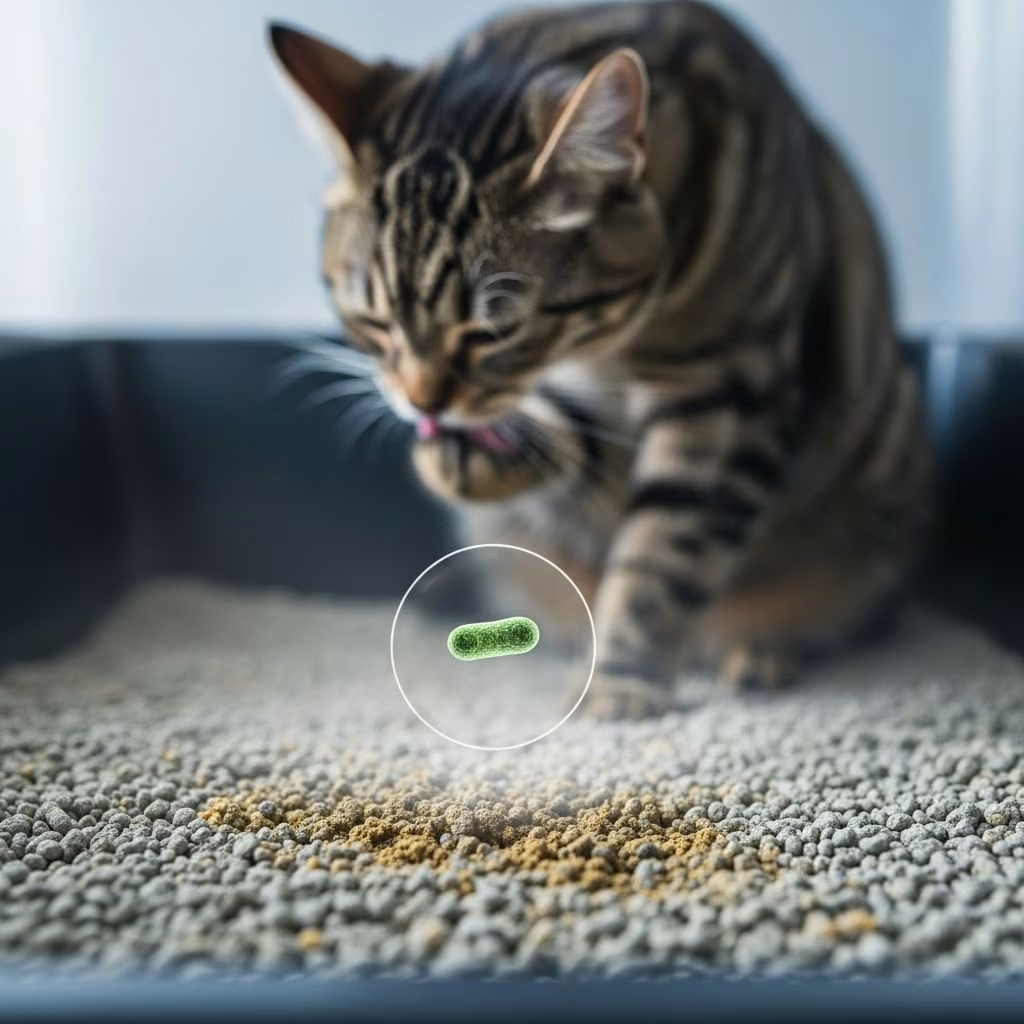
Cat urine, while a natural part of feline biology, contains compounds like ammonia that can pose health risks to humans under certain conditions. Though not typically toxic in small amounts from a clean litter box, prolonged exposure or high concentrations may lead to respiratory irritation, allergic reactions, or infections, particularly for vulnerable individuals.
What Makes Cat Pee Potentially Harmful?
Cat urine is primarily water with waste products, but it includes high levels of **ammonia**, bacteria, and sometimes allergens or parasites. As urine sits and evaporates, ammonia concentrates, releasing fumes that irritate airways. Bacteria like Escherichia coli (E. coli) can contaminate urine if mixed with feces in the litter box. Volatile organic compounds (VOCs) may also leach out, contributing to headaches or long-term issues.
- Ammonia: Forms as urine breaks down; irritates eyes, skin, and lungs.
- Bacteria: E. coli, Salmonella; risks gastrointestinal illness if contacted.
- Allergens/Proteins: Trigger sneezing, rashes in sensitive people.
- Parasites: Rare in urine alone, but fecal cross-contamination possible.
Health Risks from Cat Urine Exposure
Exposure primarily occurs via inhalation of ammonia fumes or direct contact during cleaning. Risks escalate in poorly ventilated areas or with uncleaned litter boxes.
Respiratory Issues from Ammonia
Ammonia in cat pee acts as a respiratory irritant. Short-term exposure causes coughing, throat burning, and watery eyes. Chronic exposure may worsen asthma, bronchitis, or trigger pneumonia in high concentrations. Those with pre-existing conditions face higher risks. The CDC notes typical environmental ammonia levels are safe, but concentrated cat urine buildup exceeds this.
Allergic Reactions
Proteins in urine provoke allergies: red eyes, itching, sneezing, headaches, nausea. Severe cases mimic hay fever or cause skin hives. Ammonia amplifies these by inflaming mucous membranes.
Infection Risks
Though feces pose greater threats like toxoplasmosis (from Toxoplasma gondii), urine contaminated by litter box feces carries bacteria. E. coli leads to diarrhea, cramps; cryptosporidiosis causes vomiting, fever, especially in immunocompromised people. Direct ingestion or contact with food surfaces heightens danger.
Other Concerns: VOCs and Long-Term Effects
Decomposing urine releases VOCs linked to dizziness, liver/kidney strain. Aromatic amines detected in pet urine signal household chemical exposure risks, potentially carcinogenic. Structural damage to homes from urine also indirectly affects air quality.
Who Is Most at Risk?
Not everyone faces equal danger; vulnerability varies by health status and exposure level.
| Group | Risks | Why Vulnerable |
|---|---|---|
| Immunocompromised (HIV, chemo patients) | Severe infections like toxoplasmosis, cryptosporidiosis | Weakened defenses against parasites/bacteria |
| Pregnant women | Fetal toxoplasmosis risks (birth defects) | Parasite crosses placenta |
| Respiratory patients (asthma, COPD) | Ammonia-triggered attacks, bronchitis | Heightened sensitivity |
| Allergy sufferers | Sneezing, rashes, headaches | Reaction to proteins/ammonia |
| Children & Elderly | General irritation, infections | Immature/weakened immunity |
Healthy adults with daily litter cleaning rarely experience issues.
Symptoms of Cat Pee Exposure
Monitor for these signs after cleaning or in musty homes:
- Eyes: Burning, redness, tearing.
- Respiratory: Coughing, wheezing, shortness of breath.
- Skin: Rashes, itching upon contact.
- Systemic: Headaches, dizziness, nausea, fatigue.
- Gastrointestinal: Diarrhea, vomiting (if ingested bacteria).
Flu-like symptoms may signal deeper infection; seek medical help if persistent.
Prevention: Keep Your Home Safe
Minimize risks with diligent hygiene:
- Daily Litter Box Cleaning: Scoop waste to prevent ammonia buildup.
- Ventilation: Open windows, use fans during cleaning.
- Gloves & Masks: Protect skin/eyes/lungs; disposable recommended.
- Enzyme Cleaners: Break down urine proteins/ammonia fully.
- Multiple Boxes: One per cat plus one extra reduces soiling.
- Delegate if Vulnerable: Ask others to clean; pregnant/immunocompromised avoid entirely.
Address strong odors promptly—may indicate cat UTI; vet check needed.
Treatment if Affected
Remove from exposure source immediately. Rinse skin/eyes with water. Over-the-counter antihistamines aid allergies; inhalers for asthma. Severe symptoms (breathing difficulty, persistent GI issues) warrant doctor visit—antibiotics for bacterial infections. Toxoplasmosis requires antiparasitics, especially in at-risk groups.
Can Cat Pee Make You Sick? Vet Insights
Vets confirm cat urine isn’t inherently toxic but problematic in excess. Well-maintained homes pose low risk; focus on box hygiene prevents 90% of issues. Cats with health problems (diabetes, kidney disease) produce stronger urine—monitor via annual checkups.
Frequently Asked Questions (FAQs)
Is cat pee toxic to humans?
Not toxic like poison, but ammonia and bacteria can irritate or infect, especially in large amounts or for sensitive people.
Can breathing cat urine fumes harm you?
Yes, prolonged inhalation causes respiratory irritation, asthma flares, headaches. Ventilate and clean promptly.
Does cat urine cause infections?
Rarely alone, but fecal contamination introduces E. coli, etc. Immunocompromised at highest risk.
Is cat pee dangerous for pregnant women?
Indirectly via toxoplasmosis from feces; avoid litter boxes entirely.
How do I know if my litter box is unsafe?
Strong ammonia smell, visible urine pools, cat straining—clean more or vet visit.
Conclusion: Safe Coexistence Possible
With proper litter management, cat pee rarely sickens owners. Prioritize hygiene, know your risks, and enjoy your feline companion worry-free. Consult vets for cat health; doctors for personal symptoms.
References
- How Cat Urine and Feces Can Affect your Health — Bio-One Duval County. 2023. https://www.biooneduvalcounty.com/how-cat-urine-and-feces-can-affect-your-health/
- The Dangers of Cat Urine and Feces — Pacific Decon. 2018-05-20. https://pacificdecon.com/2018/05/20/dangers-cat-urine-feces/
- The Silent Hazards of Cat Urine in Homes — Bio-One Scottsdale. 2024. https://www.bioonescottsdale.com/the-silent-hazards-of-cat-urine-in-homes-why-calling-a-biohazard-company-is-crucial/
- Aromatic Amines in Pet Feces & Urine May Signal Threats to Human Health — NYU Langone Health. 2023. https://nyulangone.org/news/aromatic-amines-pet-feces-urine-may-signal-threats-human-health
- Is Cat Pee Toxic or Can It Make You Sick? — Catster. 2024. https://www.catster.com/lifestyle/is-cat-pee-toxic/
- Toxoplasmosis – Symptoms and causes — Mayo Clinic. 2024-10-15. https://www.mayoclinic.org/diseases-conditions/toxoplasmosis/symptoms-causes/syc-20356249



