

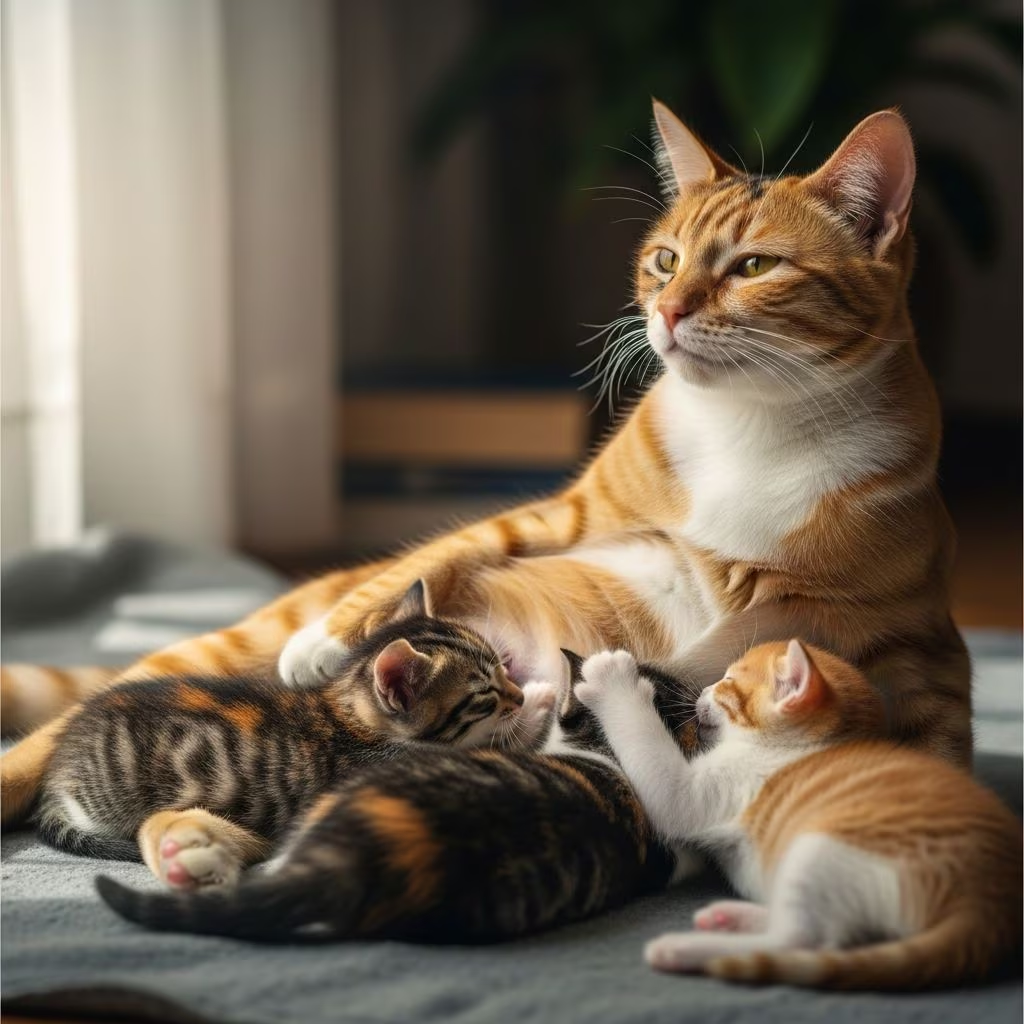
Can a Cat Get Pregnant While Nursing Kittens?
If you have a nursing cat at home, you may wonder whether she can become pregnant again while still caring for her current litter. The answer might surprise you: yes, cats can absolutely get pregnant while nursing. This phenomenon, known as postpartum estrus, is a natural part of feline reproduction that many cat owners are unaware of. Understanding this biological reality is crucial for protecting your cat’s health and preventing unwanted litters.
Unlike humans and many other mammals, cats do not experience a prolonged recovery period after giving birth before they can conceive again. In fact, an unneutered female cat can become pregnant as soon as two weeks after giving birth while her current litter is still completely dependent on her for nutrition and care. This rapid return to fertility can pose significant challenges for both the mother cat and her kittens.
The Science Behind Feline Reproduction
To understand how cats can become pregnant while nursing, it’s important to grasp the basics of feline reproduction. Cats are what veterinarians call “seasonally polyestrous,” which means they come into heat multiple times throughout the year, particularly during warmer months when daylight hours are longer. This is fundamentally different from many other mammals that have a single breeding season or specific times when reproduction is possible.
The key point is that nursing does not affect when a cat comes into heat or her ability to get pregnant. Her reproductive cycle operates independently of her nursing status. This means that even while a mother cat is producing milk and nursing her kittens, her body can simultaneously prepare for another pregnancy if she encounters a tomcat (male cat) during her fertile period.
Understanding the Feline Heat Cycle
The heat cycle in cats is a complex biological process that occurs repeatedly throughout their reproductive years. When a female cat is in heat, she becomes receptive to mating and can conceive if she encounters an intact male. The timing of these heat cycles is regulated by environmental factors such as temperature and daylight exposure, not by nursing or other maternal activities.
During each heat cycle, a cat’s ovaries release eggs, and if mating occurs, fertilization and pregnancy can begin. The gestation period for cats is approximately 63 to 65 days, or roughly nine weeks. This means that if a nursing cat becomes pregnant, she will be carrying developing kittens for over two months while simultaneously nursing her current litter.
Signs Your Nursing Cat Might Be Pregnant Again
Detecting a new pregnancy in a nursing cat can be challenging since many pregnancy symptoms overlap with signs of nursing. However, certain indicators may suggest your nursing cat has conceived again:
Enlarged Nipples
While nursing naturally causes nipple enlargement, continued enlargement even as kittens begin to wean may indicate a new pregnancy. Pay attention to progressive changes in nipple size and appearance.
Increased Appetite
A nursing cat already requires significantly more food than usual to produce adequate milk. However, if her appetite continues to increase dramatically beyond what’s typical for nursing, this could signal pregnancy. She may demand meals more frequently or consume larger portions.
Weight Gain
Noticeable weight gain beyond what the nursing kittens would account for, particularly in the later stages of a potential pregnancy, may indicate conception. Carefully monitor her weight trajectory over several weeks.
Behavioral Changes
Pregnant cats often exhibit nesting behavior, seeking quiet, secluded places to prepare for new arrivals. If your nursing cat suddenly starts preparing a separate nesting area, she may be expecting again.
Decreased Nursing Interest
As pregnancy progresses, your cat may spend less time nursing her current litter and show reduced interest in caring for them. This shift in attention can be one of the more obvious signs of a concurrent pregnancy.
The Health Risks of Back-to-Back Pregnancies
When a cat becomes pregnant while still nursing, significant health challenges emerge for both the mother and her offspring. Understanding these risks underscores why prevention through spaying is so important.
Nutritional Deficiencies
A nursing cat that becomes pregnant again may struggle to provide adequate nutrition for both her current litter and the developing fetuses. Her body must support milk production, her own maintenance, and fetal development simultaneously—an enormous metabolic burden. This can result in malnutrition, weight loss, and depletion of essential nutrients for both the mother and her nursing kittens.
Increased Physical Stress
Pregnancy already places significant stress on a cat’s body, and nursing adds additional demands. A cat managing both simultaneously experiences compounded physical stress that can compromise her immune system and overall health.
Reduced Care for Current Litter
As pregnancy progresses and the mother’s energy diminishes, she may not be able to provide the same level of attention, socialization, and nursing care to her current kittens. This reduced care can affect the kittens’ development, behavior, and emotional bonding with their mother.
Complications During Delivery
A mother cat that is already nutritionally depleted from nursing may experience complications during labor and delivery of her new litter. Prolonged labor, difficulty expelling kittens, or other birth complications are more likely in compromised mothers.
Prevention: Spaying Your Cat
The most effective way to prevent unwanted pregnancies in nursing cats is through spaying (ovariohysterectomy), a surgical procedure that removes the reproductive organs. Spaying is not only safe for nursing mothers but is actually recommended by veterinarians as a standard practice.
Timing for Spaying a Nursing Cat
Contrary to outdated beliefs, you do not need to wait until kittens are fully weaned or adopted to spay a nursing mother. The general guideline is to spay when kittens are approximately 5 to 6 weeks old. By this age, kittens are beginning to eat solid food and becoming less reliant on nursing for survival, while the mother’s milk production naturally starts to decrease.
Benefits of Timely Spaying
Spaying at the recommended time is safe for the mother and can prevent her from going into heat again—which can happen shockingly soon after birth. This procedure eliminates the risk of another unplanned pregnancy and protects your cat’s long-term health by preventing uterine infections, ovarian cysts, and reproductive cancers.
Post-Surgical Care
After spaying, most cats bounce back quickly and return to mothering duties within 12 to 24 hours. During recovery, provide mom with a quiet, stress-free place to rest while allowing her to continue caring for her kittens. There is no need to separate mother and kittens during the recovery period.
Care for a Nursing Cat That Is Pregnant
If your cat has already become pregnant while nursing, proper care becomes essential to support both her health and the development of her future litter.
Nutritional Support
Provide high-quality kitten food, which is typically higher in calories and nutrients than adult cat food. A pregnant nursing cat requires extra nutrition to support both her current litter and developing fetuses. Ensure constant access to fresh water and consider multiple feeding times throughout the day to meet her increased caloric needs.
Comfortable Nesting Area
Set up a quiet, secluded spot for your cat to give birth and care for her kittens. This can be a cardboard box or a dedicated room in your home arranged with clean blankets and padding. A couple of weeks before the expected delivery date, allow your cat to become comfortable with this space so she feels safe and secure when labor begins.
Health Monitoring
Keep a close eye on your cat’s physical and mental health throughout her pregnancy. Consult your veterinarian regularly and seek immediate care if you notice signs of illness, distress, or complications.
Stress Reduction
Minimize environmental stressors and keep your cat in a calm, quiet environment. Excessive stress can negatively impact both her health and the development of her unborn kittens.
When to Contact Your Veterinarian
Certain situations warrant immediate veterinary consultation when dealing with a nursing cat that may be pregnant:
Signs of Illness or Distress
If your nursing cat appears to be in pain, is unusually lethargic, or exhibits other signs of illness, seek veterinary care immediately.
Difficulty Giving Birth
If your cat is pregnant and experiencing difficulty delivering kittens, contact your veterinarian for emergency assistance.
Concerns About the Current Litter
If you have concerns about the health or development of your cat’s current litter, consult your veterinarian for professional guidance.
Signs of Mastitis
Watch for signs of mastitis, an infection of the mammary glands, which can occur in nursing cats. Symptoms include swollen, hard, or painful nipples, fever, or behavioral changes.
Frequently Asked Questions
Q: How soon after giving birth can a cat become pregnant?
A: A cat can become pregnant as soon as two weeks after giving birth, even while her current litter is still completely dependent on her for nursing. This is why preventing back-to-back pregnancies through spaying is so important.
Q: Is it safe to spay a nursing cat?
A: Yes, it is safe and recommended to spay a nursing cat when her kittens are approximately 5 to 6 weeks old. This procedure protects her health and prevents unwanted pregnancies without requiring separation from her kittens during recovery.
Q: How long is a cat’s gestation period?
A: The cat gestation period is approximately 63 to 65 days, or about nine weeks. This timeframe can vary slightly depending on the breed, age, and overall health of the mother cat.
Q: What should I feed a pregnant nursing cat?
A: Feed a pregnant nursing cat high-quality kitten food, which contains more calories and nutrients than adult cat food. Ensure she has constant access to fresh water and offer multiple meals throughout the day to meet her elevated nutritional requirements.
Q: Can I let my nursing cat continue nursing after her kittens are weaned?
A: Allowing a mother cat to nurse her kittens well after they can eat solid food will not cause harm. However, continuing to allow nursing may delay the natural weaning process. Most kittens naturally begin eating solid food around 3 to 4 weeks of age.
Q: What are the main signs my nursing cat is pregnant again?
A: Signs include enlarged nipples beyond normal nursing changes, increased appetite, noticeable weight gain, nesting behaviors, and decreased interest in nursing her current litter. If you notice these signs, contact your veterinarian for confirmation.
Conclusion
The ability of cats to become pregnant while nursing is a biological reality that requires awareness and proactive management from cat owners. While it’s possible for a nursing cat to conceive again within weeks of giving birth, this situation poses significant health risks to both the mother and her existing kittens. The best approach is prevention through timely spaying when kittens reach 5 to 6 weeks of age. This safe, routine procedure protects your cat’s long-term health, eliminates the risk of dangerous back-to-back pregnancies, and helps address the broader issue of cat overpopulation. If you suspect your nursing cat may be pregnant again, consult your veterinarian promptly for professional guidance and support.
References
- Cat Pregnancy: Signs, Stages and Care — PetMD. 2024. https://www.petmd.com/cat/conditions/reproductive/cat-pregnancy-and-kittens-complete-guide
- Spaying a Nursing Cat: Timing, Myths, and Best Practices — Kitten Alliance. 2024. https://www.kittenalliance.org/post/spaying-a-nursing-cat-timing-myths-and-best-practices
- How to tell if your nursing cat is pregnant again — Purely Pets Insurance. 2024. https://www.purelypetsinsurance.co.uk/blogs/how-to-tell-if-your-nursing-cat-is-pregnant-again/
- Pregnant and Nursing Cats — Kentucky Humane Society Foster Hub. 2024. https://fosterhub.kyhumane.org/resources-and-guides/cats/moms
- After birth: Advice on cat birthing and kittens — Cats Protection. 2024. https://www.cats.org.uk/help-and-advice/pregnancy-and-kitten-care/after-birth
- Fostering Kittens and Pregnant and Nursing Cats — PVA STX. 2024. https://www.pvastx.org/fostering-kittens-and-pregnant-and-nursing-moms



