

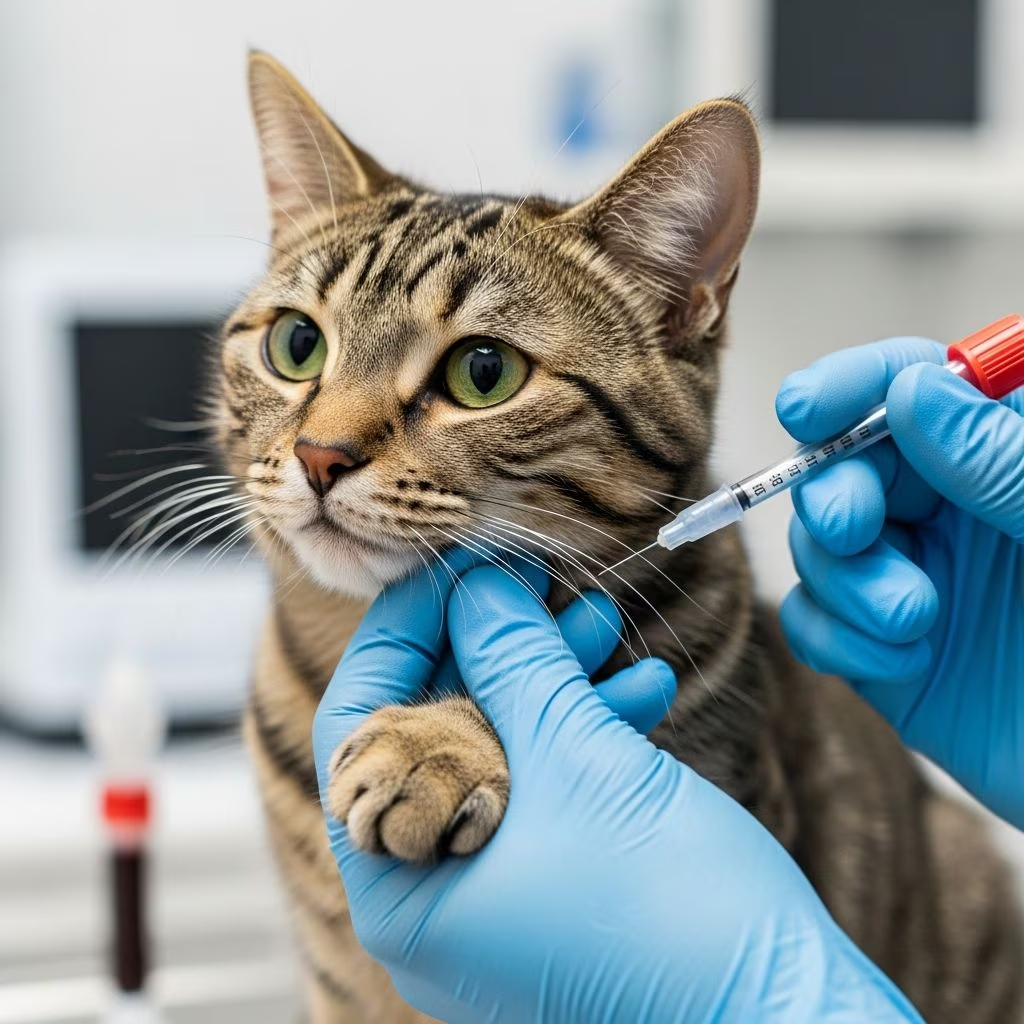
Cancer ranks among the top health threats for cats, often progressing silently until advanced stages. While routine blood tests provide valuable clues through abnormalities in cell counts or organ function markers, they cannot definitively diagnose most feline cancers on their own. Specialized tests like flow cytometry and PARR offer higher specificity for certain blood-related malignancies, but confirmation typically requires imaging or biopsies.
The Prevalence of Cancer in Feline Patients
Cats over 10 years old face elevated cancer risks, with lymphoma being the most common type, frequently affecting the gastrointestinal tract, mediastinum, or kidneys. Other prevalent forms include squamous cell carcinoma, mammary tumors, and injection-site sarcomas. Early detection remains challenging because many cats show vague symptoms like weight loss, lethargy, or appetite changes, which overlap with other age-related issues.
Statistics from veterinary studies indicate cancer causes about 30-50% of deaths in senior cats, underscoring the need for proactive screening. Routine wellness exams combined with targeted diagnostics can shift outcomes from palliative care to potentially curative interventions.
What Routine Blood Work Reveals About Cancer Risk
Standard blood panels, including complete blood count (CBC) and chemistry profiles, serve as initial screening tools during annual checkups. These tests measure red blood cells, white blood cells, platelets, and serum enzymes, offering indirect hints of malignancy.
- CBC Abnormalities: Elevated white blood cell counts (leukocytosis) or lymphocytosis may signal lymphoma or leukemia. Anemia, often regenerative in early cancer, appears as low red cell parameters due to chronic disease or bone marrow infiltration.
- Chemistry Panel Insights: High liver enzymes (ALT, AST), elevated bilirubin, or azotemia (high BUN/creatinine) suggest organ involvement, such as hepatic or renal tumors. Hyperglobulinemia points to inflammation or plasma cell neoplasia.
- Electrolyte Imbalances: Low potassium or calcium shifts can accompany paraneoplastic syndromes in cancers like lymphoma.
However, these changes are non-specific; infections, kidney disease, or hyperthyroidism mimic them. A study on biomarkers notes cell-free DNA (cfDNA) in blood as a promising indicator of cell turnover from tumors, though not yet routine.
Advanced Blood-Based Diagnostics for Feline Cancer
Beyond basics, veterinary labs employ sophisticated blood tests for hematopoietic cancers, which originate in blood-forming tissues.
Flow Cytometry: Precision for Lymphoid Neoplasms
Flow cytometry analyzes cell surface markers using fluorescent antibodies, distinguishing neoplastic from reactive lymphocytes. It’s particularly effective for dogs but useful in cats with confirmed lymphocytosis or suspicious cytology.
In felines, it provides prognostic data, such as identifying large granular lymphoma subtypes. Limitations include fewer cat-specific antibodies and frequent non-neoplastic expansions in blood.
PARR (PCR for Antigen Receptor Rearrangement): Confirming Clonality
PARR detects clonal lymphocyte populations, confirming lymphoma where cytology is ambiguous. It’s ideal for gastrointestinal samples in cats, where 50% of mesenteric nodes test negative despite intestinal involvement.
For plasma cell issues or equivocal flow results, PARR on fixed biopsies adds diagnostic power without new samples.
Diagnostic Algorithms for Suspected Feline Malignancies
Veterinarians follow structured protocols based on clinical signs and species. The table below outlines test selection for hematopoietic suspicions.
| Species | Clinical Sign/Site | Recommended First Test | Notes |
|---|---|---|---|
| Cat | Lymphocytosis in blood | Flow cytometry | May need PARR follow-up; not for myeloid leukemias. |
| Cat | Cytologically suspicious cells in organ | Flow cytometry or PARR | PARR better for small lymphocyte expansions. |
| Cat | Suspected GI lymphoma | PARR on intestinal aspirate | More sensitive than nodes. |
| Cat/Dog | Plasma cell neoplasm suspicion | PARR | Flow lacks plasma cell antibodies. |
These guidelines emphasize multimodal approaches: no single test rules out cancer entirely.
Emerging Innovations: Beyond Traditional Blood Draws
Research pushes boundaries with non-invasive alternatives. A pilot study using N-NOSE, a nematode-based chemotaxis assay on urine, differentiated cancer from healthy cats with AUC values of 0.7667-0.9000 across dilutions. It detected cancers in liver, mammary gland, lymph nodes, and more, using just 1mL of urine—painless and stress-free.
Commercial efforts explore cfDNA and autoantibody panels in blood for early detection of 21 tumor types, though peer-reviewed validation lags.
Limitations and When Blood Tests Fall Short
Blood tests excel for leukemias but miss solid tumors like oral squamous cell carcinoma or splenic masses without systemic effects. False negatives occur in early-stage or indolent cancers; false positives from inflammation confound results.
Integration with imaging (X-rays, ultrasound) and biopsies remains essential. Fine-needle aspirates or surgical samples provide definitive histopathology.
Steps for Cat Owners: Proactive Screening Strategies
Schedule senior wellness exams biannually for cats over 7. Discuss breed risks—e.g., Siamese for lymphoma, Persians for basal cell tumors. Monitor for lumps, persistent vomiting, or mobility issues.
- Baseline blood work at middle age.
- Escalate to flow/PARR if abnormalities persist.
- Consider urine screens or cfDNA if available via your vet.
Early intervention boosts survival; for example, localized mammary tumors have 80% cure rates with surgery.
Treatment Pathways Post-Diagnosis
Once confirmed, options include surgery, chemotherapy (e.g., COP protocol for lymphoma), radiation, or immunotherapy. Monitoring uses repeat blood work to track response, with IDEXX panels aiding ongoing care.
Prognosis varies: mediastinal lymphoma responds well (50-70% remission), while multicentric forms average 6-12 months.
Frequently Asked Questions (FAQs)
Can a routine vet blood test confirm cancer in my cat?
No, it flags risks but requires advanced tests or biopsies for confirmation.
How accurate is flow cytometry for cat lymphoma?
Highly accurate for blood samples with neoplastic cells, providing subtyping and prognosis.
Is there a simple home test for cat cancer?
Emerging blood kits exist but lack robust vet endorsement; consult professionals.
What cancers show up most on feline blood panels?
Lymphoma and leukemias via CBC changes; solid tumors less reliably.
Should I screen my healthy senior cat for cancer?
Yes, annual blood work detects preclinical changes.
Holistic Support for Cats Facing Cancer
Nutrition with omega-3s, antioxidants, and palliative care enhance quality of life. Avoid unproven supplements without vet guidance.
References
- A new detection method for canine and feline cancer using the nematode Caenorhabditis elegans. — PMC/NIH. 2022-09-02. https://pmc.ncbi.nlm.nih.gov/articles/PMC9469661/
- Choose a test – Clinical Hematopathology Laboratory. — Colorado State University College of Veterinary Medicine & Biomedical Sciences. Accessed 2026. https://vetmedbiosci.colostate.edu/chl/choose-a-test/
- Detecting, Diagnosing, and Treating Cat Cancer. — Love Animal Hospital & Urgent Care. Accessed 2026. https://love.vet/cat-cancer-detecting-diagnosing-and-treating-cat-cancer/
- Cancer Screenings for Cats. — PetMD. Accessed 2026. https://www.petmd.com/cat/general-health/cancer-screenings-for-cats
- Understanding Blood Work & Lab Tests for Cats. — EBAPet Hospital. Accessed 2026. https://www.ebapethospital.com/services/cats/blood-tests-for-cats



