

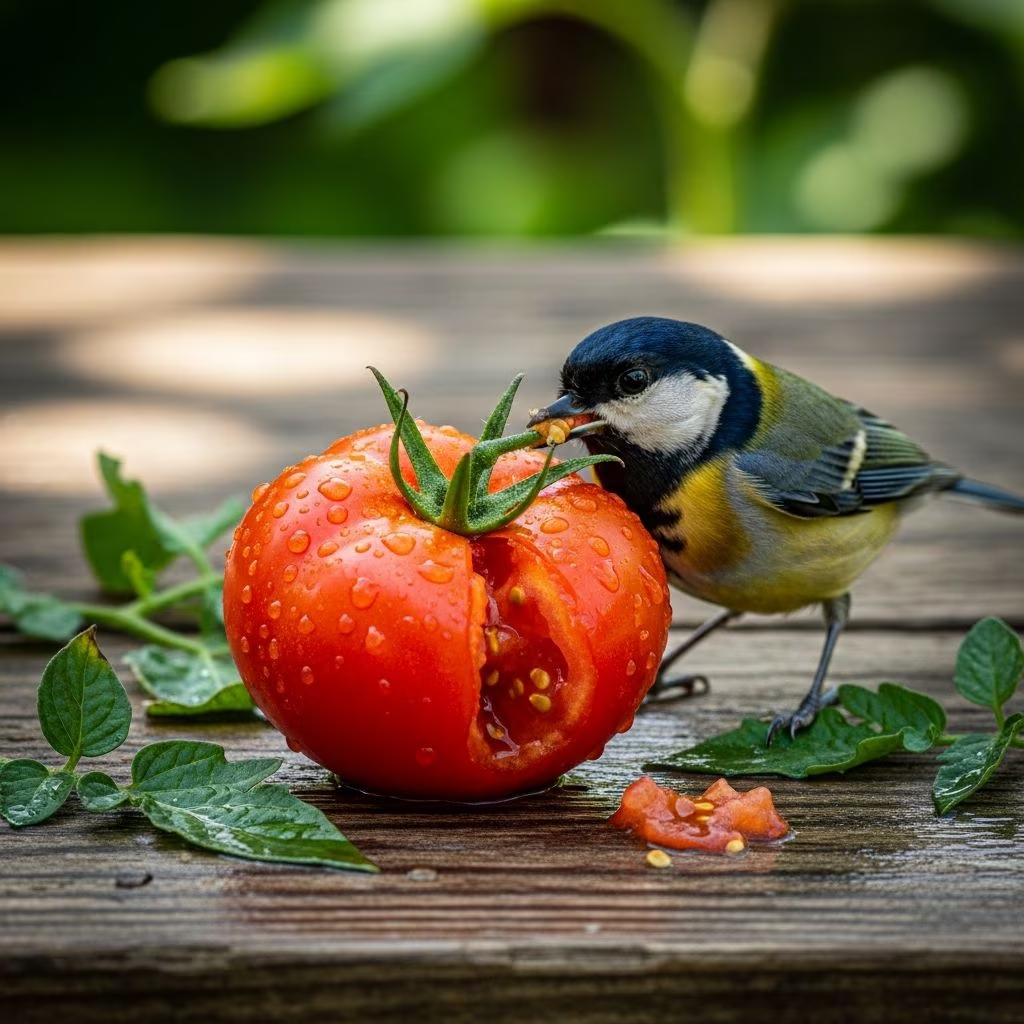
Can Birds Eat Tomatoes?
Tomatoes are a common household fruit that many bird owners wonder about including in their pet’s diet. The question of whether birds can eat tomatoes is more nuanced than a simple yes or no answer. While birds can technically consume tomatoes, there are significant considerations that pet owners must understand before offering this fruit to their feathered companions.
According to Larry Nemetz, DVM, of the Bird Clinic in Orange County, California, veterinarians have varying perspectives on this topic. Dr. Nemetz does not recommend feeding birds raw tomatoes at any time because of their high acidity. This professional stance is based on years of clinical experience and documented cases of adverse reactions in birds consuming tomatoes.
The Acidity Concern: Why Fresh Tomatoes Are Problematic
The primary concern with feeding birds tomatoes is their acidic nature. Tomatoes are classified as an acidic fruit, and this acidity can pose real health risks to birds. Dr. Nemetz has encountered cases where birds suffered serious complications from tomato consumption. In one notable instance, a cockatoo displayed severe hypersensitivity to the acid in tomatoes and would vomit up blood several days after eating one. Upon investigation, the bird was found to have developed stomach ulcers directly caused by tomato consumption. Once tomatoes were removed from the bird’s diet, the health issue resolved completely.
This case demonstrates that while some birds may tolerate small amounts of tomatoes without immediate symptoms, the acidic content can cause cumulative damage to a bird’s digestive system over time. The risk of developing ulcers and other gastrointestinal complications makes raw tomatoes a risky choice for most pet birds.
Alternative Nutritious Options for Birds
Dr. Jill Patt, DVM, of Alta Mesa Animal Hospital in Arizona, generally does not recommend feeding tomatoes to birds. Her reasoning is straightforward: there are safer and more nutritious food options available. According to Dr. Patt, leafy greens represent a superior alternative to tomatoes. These vegetables not only provide better nutritional value but also offer mental stimulation as birds can tear them up and engage with their food in a natural way.
This perspective highlights an important principle in avian nutrition—pet owners should prioritize foods that offer both safety and enrichment. Rather than taking the risk with tomatoes, bird owners can choose from a wide variety of vegetables and fruits that are proven to be safe and highly beneficial for avian health.
What Forms of Tomatoes Are Safer for Birds?
While fresh raw tomatoes should be avoided, Dr. Nemetz clarifies that not all tomato products are equally problematic. Fresh tomatoes are the only concern from a veterinary standpoint. Processed tomato products present a different picture:
Dried Tomatoes
Dried tomatoes are considered safer for birds because the drying process significantly reduces the acid content. Most of the problematic acidity is eliminated during dehydration, making dried tomatoes a more acceptable option compared to fresh varieties. However, pet owners should still ensure that dried tomatoes contain no added salt, oils, or seasonings that could harm their birds.
Tomato-Based Sauces and Pasta Sauces
Spaghetti sauce and other cooked tomato products are generally acceptable for birds because the cooking process removes much of the acidity. Additionally, most pasta sauces contain a relatively small quantity of tomato relative to other ingredients, further reducing the acid exposure. However, there is one critical caveat: many commercial tomato-based sauces contain onion and garlic, both of which are highly toxic to birds and can cause serious harm to their health. Pet owners must carefully review ingredient lists before offering any tomato sauce to their birds, ensuring that these dangerous ingredients are not present.
The Risk Assessment: Is It Worth It?
When discussing the overall risk of feeding tomatoes to birds, Dr. Nemetz puts the probability of major problems into perspective. He notes that serious complications from tomato consumption represent only about a one in a million chance. However, his professional recommendation remains clear: why take even that minimal risk when better food options are readily available?
This risk-benefit analysis is crucial for responsible pet ownership. Even though the statistical probability of severe complications is low, the potential for suffering is real, as demonstrated by the cockatoo case. Given that numerous nutritious alternatives exist that carry no risk whatsoever, most veterinarians recommend erring on the side of caution.
Toxic Parts of the Tomato Plant
Beyond the acidity concern in the fruit itself, bird owners must be aware that other parts of the tomato plant are genuinely toxic to birds. Tomato leaves and stems contain solanine, an alkaloid compound that can be harmful to birds if ingested. This is particularly important for bird owners who grow tomatoes in gardens or keep potted tomato plants indoors.
If your bird has access to tomato plants, ensure they cannot reach or nibble on the leaves or stems. Even a small amount of solanine ingestion can cause gastrointestinal upset, weakness, and confusion in birds. More severe exposures could lead to more serious neurological symptoms.
Signs of Tomato-Related Illness in Birds
Bird owners should be able to recognize potential symptoms of adverse reactions to tomatoes or tomato plant parts. Signs that a bird may be experiencing problems include:
- Vomiting or regurgitation
- Blood in vomit
- Gastrointestinal upset or diarrhea
- Weakness or lethargy
- Difficulty breathing
- Loss of appetite
- Behavioral changes or confusion
If any of these symptoms develop, particularly if they appear after tomato consumption, contact an avian veterinarian immediately. Early intervention can prevent serious complications.
Expert Recommendations Summary
The consensus among avian veterinarians can be summarized as follows:
- Fresh raw tomatoes: Not recommended due to high acidity and potential for stomach ulcers and gastrointestinal complications
- Cherry tomatoes: Should be avoided, as they tend to be even more acidic than larger tomato varieties
- Dried tomatoes: Acceptable in moderation, provided no added salt or seasonings
- Cooked tomato products: Generally safe if they don’t contain onion, garlic, or excessive salt
- Tomato leaves and stems: Must be avoided entirely due to solanine content
- Better alternatives: Leafy greens and other vegetables provide superior nutrition without the associated risks
Best Practices for Bird Owners
If you decide to offer your bird any tomato product despite the recommendations, follow these guidelines to minimize risk:
- Never feed fresh or raw tomatoes
- Only use fully ripe red tomatoes, never green ones
- Remove all stems, leaves, and green portions completely
- Wash store-bought tomatoes thoroughly to remove pesticide residues
- Offer only in very small quantities, very occasionally
- Monitor your bird closely for any adverse reactions
- Have an avian veterinarian’s contact information readily available
- Consider safer alternatives like leafy greens, carrots, or other bird-safe vegetables
Frequently Asked Questions
Q: Can birds eat cherry tomatoes?
A: Cherry tomatoes should be avoided. They tend to have higher acidity levels than larger tomato varieties, making them even riskier for birds. The smaller size also means a bird could consume a whole tomato more easily, increasing acid exposure.
Q: What should I do if my bird has already eaten a tomato?
A: Monitor your bird carefully for any signs of illness, particularly gastrointestinal upset, vomiting, or behavioral changes. Contact your avian veterinarian if any concerning symptoms develop. In most cases, a small amount of tomato may not cause immediate problems, but watch closely over the following days.
Q: Are all birds equally sensitive to tomato acidity?
A: Individual birds may have varying levels of sensitivity to tomato acidity. Some birds may tolerate small amounts better than others, but this variability means it’s impossible to predict which birds will have severe reactions. This unpredictability is another reason veterinarians recommend avoiding tomatoes altogether.
Q: Can I feed my bird tomato soup or tomato juice?
A: These products are typically processed and cooked, which reduces acidity. However, they often contain added salt, sugar, and seasonings that can be harmful to birds. It’s best to avoid these processed products and stick with plain, unseasoned alternatives.
Q: What are the best vegetable alternatives to tomatoes for birds?
A: Safe and nutritious vegetables for birds include leafy greens like spinach and kale, carrots, broccoli, sweet potatoes, squash, and bell peppers. These provide excellent nutrition without the acidity concerns associated with tomatoes.
References
- Can Birds Eat Tomatoes? — Chewy Editors, Chewy. 2025. https://www.chewy.com/education/bird/food-and-nutrition/can-birds-eat-tomatoes
- Fruits and Vegetables in Birds’ Diets — VCA Animal Hospitals. 2025. https://vcahospitals.com/know-your-pet/fruits-and-vegetables-in-bird-diets
- Can Birds Eat Tomatoes? — Meandering Wild. 2025. https://meanderingwild.com/can-birds-eat-tomatoes/
- Toxic Foods Your Bird Should Never Eat — ZuPreem Pet. 2025. https://zupreem.com/toxic-foods-your-bird-should-never-eat/



