

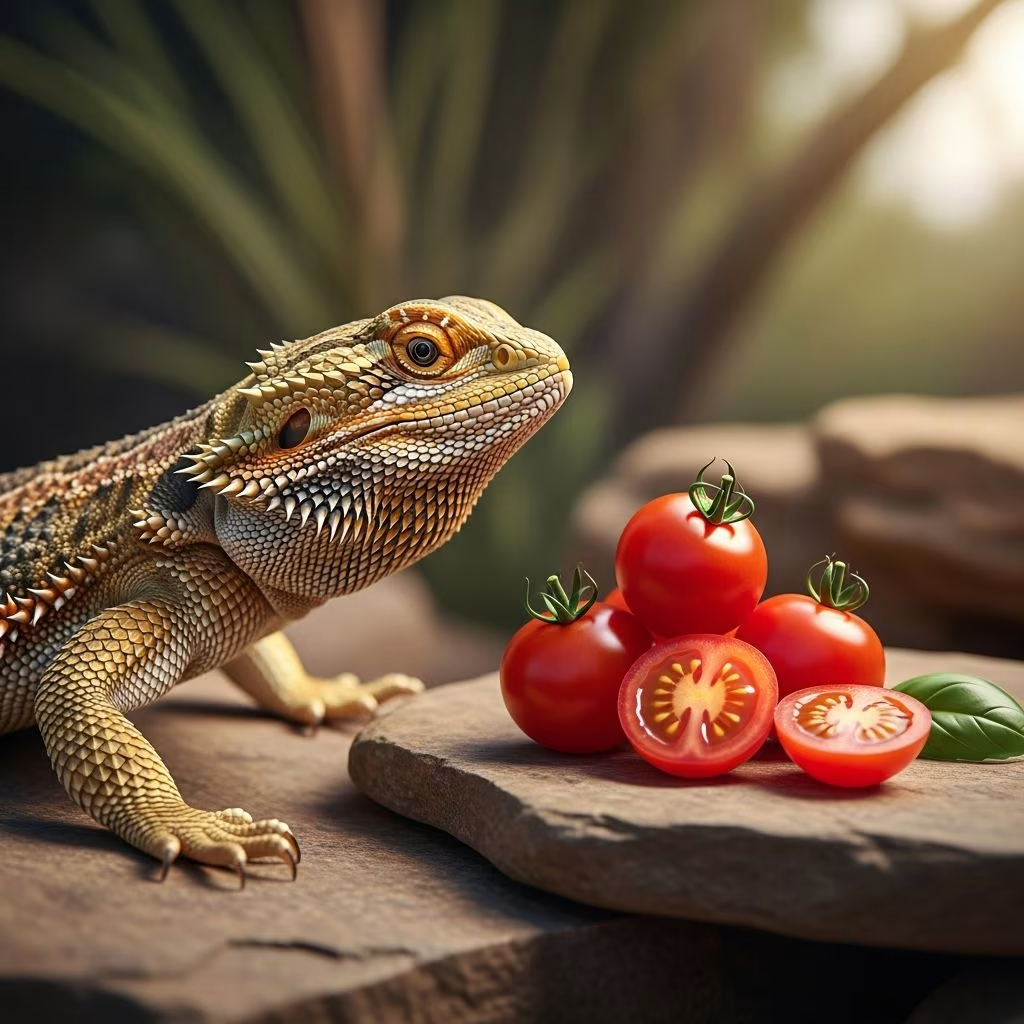
Can Bearded Dragons Eat Tomatoes? Complete Nutritional Guide
Bearded dragons are popular reptile pets that require a carefully balanced diet to maintain optimal health and longevity. As a responsible pet owner, you may wonder whether certain foods like tomatoes are appropriate for your scaly companion. The short answer is that while bearded dragons can technically eat tomatoes in very limited quantities, they should not be a regular part of their diet due to several nutritional concerns.
Tomatoes can be offered to bearded dragons only occasionally—typically no more than once per month—and only in small pieces. This guide will help you understand the nutritional profile of tomatoes, potential risks, and best practices for safely incorporating this food into your bearded dragon’s diet.
Understanding Your Bearded Dragon’s Nutritional Needs
Before exploring whether tomatoes fit into a bearded dragon’s diet, it’s essential to understand their basic nutritional requirements. Adult bearded dragons require a diet that is approximately 50% plant-based material and 50% animal-based (insect) material. However, within the plant-based portion, the composition matters significantly.
The vegetable and fruit portion of an adult bearded dragon’s diet should consist of approximately 80-90% leafy greens and flowers, with only 10-20% being fresh fruits such as tomatoes. More specifically, fruits should comprise no more than about 10% of the overall diet and should be fed sparingly due to their high sugar and water content.
Tomato Nutritional Profile for Bearded Dragons
Red tomatoes, including common varieties like grape tomatoes and cherry tomatoes, offer specific nutritional components that are worth examining. Here’s what a 100-gram serving of raw red tomato typically contains:
| Nutrient | Amount per 100g |
|---|---|
| Calories | 18 |
| Protein | 0.88g |
| Calcium | 12mg |
| Phosphorus | 24mg |
| Potassium | 237mg |
| Magnesium | 11mg |
| Manganese | 0.114mg |
| Zinc | 0.17mg |
| Oxalates | 26mg |
The Benefits of Tomatoes for Bearded Dragons
Despite the concerns that exist, tomatoes do offer some nutritional benefits when fed appropriately. Understanding these advantages can help you make informed decisions about incorporating tomatoes into your bearded dragon’s diet.
Vitamin A Content
Tomatoes are a wonderful source of Vitamin A (in the form of beta carotene), which plays a crucial role in maintaining your bearded dragon’s immune system, vision, reproduction, and overall growth. Vitamin A is essential for beardies, as too little can cause metabolic problems and vision issues.
Low Sugar Levels
Despite being a fruit, tomatoes are quite low in sugar compared to many other fruit options. This low sugar content promotes your dragon’s heart health and is less likely to contribute to obesity or metabolic issues associated with excessive sugar intake.
Lycopene and Antioxidants
Tomatoes contain lycopene, a powerful antioxidant that contributes to their vibrant red color. Lycopene helps prevent cancer, reduces inflammation, and promotes healthy skin and heart health in reptiles. This compound provides additional health benefits beyond basic nutrition.
Relatively Low Oxalate Content
Compared to many other vegetables, tomatoes contain relatively low levels of oxalic acid. This is beneficial for bearded dragons since oxalic acid binds to calcium and can reduce the amount of calcium available for absorption. While not zero, the oxalate levels in tomatoes are manageable when fed occasionally.
Critical Areas of Concern: Why Tomatoes Are Problematic
While tomatoes offer some benefits, several significant nutritional and chemical concerns make them unsuitable as a regular part of a bearded dragon’s diet. These issues outweigh the benefits when considering frequency of feeding.
Poor Calcium-to-Phosphorus Ratio
The most critical concern with tomatoes is their calcium-to-phosphorus ratio. Tomatoes contain approximately twice as much phosphorus as calcium, which is highly problematic for bearded dragons. Phosphorus binds with calcium in the body, preventing it from being absorbed into the bloodstream. This is particularly dangerous because bearded dragons require calcium to thrive.
Bearded dragons should regularly eat foods with a calcium-to-phosphorus ratio of 1:1 to 2:1, with calcium being predominant. Tomatoes fail dramatically in this regard, as phosphorus outweighs calcium by almost six times. Regular consumption of phosphorus-heavy foods can quickly lead to metabolic bone disease (MBD), which, if left untreated, can cause paralysis and even death.
High Acid Content
Tomatoes are naturally acidic, with raw tomatoes having an average pH value around 4.5. This acidity can cause mouth and stomach irritation in bearded dragons. Additionally, tomatoes contain citric acid (though in smaller quantities than citrus fruits), which can cause severe digestive issues including diarrhea and dehydration. Veterinarians typically recommend avoiding acidic foods for this reason.
Digestive Issues and Dehydration
The high acidity of tomatoes frequently triggers digestive problems in bearded dragons, particularly diarrhea. When a bearded dragon experiences diarrhea, it can lead to rapid dehydration, which is especially concerning in reptiles that are already predisposed to dehydration issues. This combination of acidity and resulting gastrointestinal upset makes tomatoes risky for regular consumption.
Vitamin A Toxicity Risk
While Vitamin A is beneficial in appropriate doses, excess Vitamin A can become toxic to bearded dragons. Because tomatoes are rich in beta carotene (which converts to Vitamin A in the body), feeding too many tomatoes, especially when combined with Vitamin A supplements, can lead to Vitamin A toxicity. Symptoms of Vitamin A overdose include facial swelling, decreased energy, weight loss, and dehydration.
Oxalate Concerns
Although tomatoes contain relatively low oxalate levels compared to other vegetables, they still contain approximately 26mg of oxalates per 100g serving. Ideally, each meal should have no more than 10mg of oxalates. Oxalates, like phosphorus, prevent calcium from being absorbed, further contributing to potential calcium deficiency and increased risk of metabolic bone disease.
Tomato Plant Parts: Absolute Dangers
It is critically important to understand that only the ripe, red flesh of the tomato is safe for bearded dragons. The stems, leaves, flowers, and vines of the tomato plant are absolutely toxic and should never be given to your pet.
All parts of the tomato plant contain solanine, an alkaloid compound that is extremely poisonous to many animals, including bearded dragons. Solanine is highly concentrated in the green areas of the plant. Symptoms of solanine poisoning can range from mild gastrointestinal upset to severe manifestations including pain, anorexia, decreased heart rate, and potentially even coma.
Similarly, unripe green tomatoes should never be offered to bearded dragons, as they contain dangerous levels of solanine. Only fully ripened red tomatoes with the stems, seeds, and skin removed are appropriate for occasional consumption.
How to Safely Prepare Tomatoes for Your Bearded Dragon
If you decide to offer your bearded dragon tomato as an occasional treat, proper preparation is essential to minimize risks and ensure safety.
Preparation Steps
Follow these guidelines when preparing tomatoes for your bearded dragon:
- Thoroughly wash the tomato under running water to remove any pesticides or contaminants
- Completely peel the tomato skin, as the skin can be difficult for bearded dragons to digest
- Remove all seeds from the tomato flesh
- Cut the remaining tomato flesh into very small, manageable pieces—typically about a quarter of a regular-sized tomato
- Serve the tomato at room temperature; there is no need to cook it, as raw tomatoes retain their nutritional value
Raw tomatoes are preferable to cooked tomatoes because cooking can remove some of the valuable vitamins and nutrients found in them.
How Often Can Bearded Dragons Eat Tomatoes?
Despite the various concerns associated with tomatoes, they do not make the “absolutely do not feed” list for bearded dragons. However, they should be offered extremely sparingly. Tomatoes can be fed to bearded dragons approximately once per month at most. When offering tomatoes, limit the portion to only a few small slices—approximately a quarter of a whole regular tomato per feeding.
This conservative feeding schedule helps ensure that the potential negative effects (particularly the phosphorus-calcium imbalance) do not accumulate over time, while still allowing your dragon to enjoy the occasional beneficial nutrients the tomato provides.
Tomato Varieties and Nutritional Differences
Not all tomatoes are identical in their nutritional content. Different varieties such as beef tomatoes, cherry tomatoes, and regular salad tomatoes contain different nutritional values and slightly different tastes. Cherry tomatoes and grape tomatoes are smaller and might be easier to portion for your bearded dragon, though the nutritional profile remains similar across red varieties. Regardless of the specific variety chosen, the same preparation and feeding frequency guidelines apply.
Frequently Asked Questions About Tomatoes and Bearded Dragons
Q: Are tomatoes completely toxic to bearded dragons?
A: No, tomatoes are not completely toxic, but they are not recommended as a regular food. Only the ripe, red flesh of the tomato can be offered occasionally. The stems, leaves, flowers, seeds, and unripe green parts are toxic and should never be given to your bearded dragon.
Q: Can bearded dragons eat cherry tomatoes?
A: Yes, bearded dragons can eat cherry tomatoes in the same limited quantities as regular tomatoes. Cherry tomatoes should still be prepared by removing the seeds and skin, cut into small pieces, and offered no more than once per month.
Q: What should I do if my bearded dragon accidentally eats tomato leaves or stems?
A: If your bearded dragon accidentally consumes tomato plant parts, monitor them closely for signs of solanine poisoning, including gastrointestinal upset, decreased appetite, or unusual lethargy. Contact your veterinarian immediately if you notice any concerning symptoms.
Q: Are there better fruit alternatives to tomatoes?
A: Yes, there are many safer fruit options for bearded dragons that offer similar or better nutritional benefits without the concerning phosphorus levels and high acidity. Your veterinarian can recommend appropriate fruit options for your dragon’s specific dietary needs.
Q: How do I know if my bearded dragon has metabolic bone disease from eating too many phosphorus-rich foods?
A: Signs of metabolic bone disease include weakness, lethargy, reluctance to move, swelling of the jaw or limbs, and difficulty eating. If you notice any of these symptoms, consult your veterinarian immediately for a thorough evaluation and treatment plan.
Q: Can I give my bearded dragon tomato juice or tomato sauce?
A: No, tomato juice and tomato sauce are not appropriate for bearded dragons. These products contain concentrated acidity and often have added ingredients that may be harmful. Stick to fresh, plain tomato flesh only, and only occasionally.
Conclusion: The Verdict on Tomatoes for Bearded Dragons
Bearded dragons can technically eat tomatoes, but the decision to offer them should be made carefully and infrequently. While tomatoes provide some nutritional benefits including Vitamin A, lycopene, and low sugar content, these advantages are significantly outweighed by their nutritional drawbacks. The poor calcium-to-phosphorus ratio, high acidity, and risk of digestive upset and Vitamin A toxicity make tomatoes a questionable choice as part of a bearded dragon’s regular diet.
If you choose to offer your bearded dragon tomato, do so no more than once per month, in very small quantities, after proper preparation. Always ensure the tomato is fully ripe, peeled, seeded, and cut into manageable pieces. Never allow your bearded dragon to consume any part of the tomato plant other than the ripe red flesh.
As always, when introducing any new food to your bearded dragon’s diet, consult with your veterinarian to ensure it aligns with your specific pet’s nutritional needs and health status. Your vet can help you develop a balanced diet that supports your bearded dragon’s long-term health and wellbeing while minimizing the risk of serious nutritional disorders.
References
- Are Tomatoes Good for Bearded Dragons? — The Bearded Dragon. https://www.thebeardeddragon.org/bearded-dragon/diet/fruits-and-vegetables/tomato
- Can Bearded Dragons Eat Tomatoes? — Dragon’s Diet. https://dragonsdiet.com/blogs/dragon-care/can-bearded-dragons-eat-tomatoes
- Can Bearded Dragons Eat Tomatoes? Vet-Approved Facts & FAQ — Hepper. https://articles.hepper.com/can-bearded-dragons-eat-tomatoes/
- Bearded Dragons: Feeding — VCA Animal Hospitals. https://vcahospitals.com/know-your-pet/bearded-dragons-feeding
- Bearded Dragon Complete Food Guide — Zen Habitats. https://www.zenhabitats.com/blogs/reptile-care-sheets-resources/bearded-dragon-complete-food-guide



