

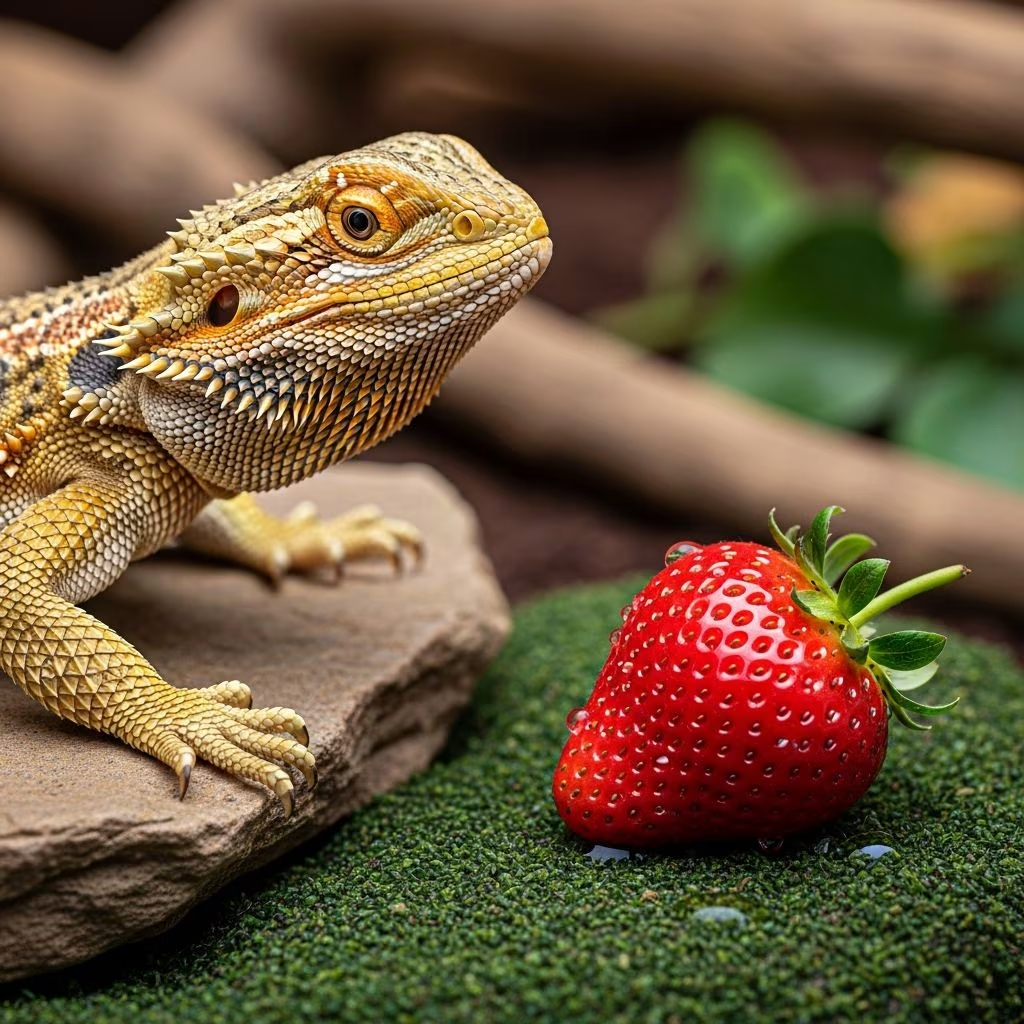
Can Bearded Dragons Eat Strawberries?
Strawberries are a popular fruit that many bearded dragon owners wonder about when planning their pet’s diet. The short answer is yes—bearded dragons can eat strawberries, but only in moderation. Like all fruits in a bearded dragon’s diet, strawberries should be offered as occasional treats rather than regular food items. Understanding the nutritional profile of strawberries and how they fit into your bearded dragon’s overall diet is essential for keeping your pet healthy and thriving.
Nutritional Value of Strawberries for Bearded Dragons
Strawberries offer several nutritional benefits that can support your bearded dragon’s health when fed appropriately. These soft fruits are packed with essential vitamins and minerals that contribute to various bodily functions.
Key Nutrients Found in Strawberries
– Vitamin C: Supports immune system function, vision, reproduction, and growth in bearded dragons- Potassium: Helps regulate blood pressure and supports heart health- Fiber: Aids in healthy digestion and promotes gastrointestinal health- Calcium: Strengthens bones and tissues, though present in lower amounts- Water Content: Comprises 45% to 68% of the fruit, which can improve kidney function and prevent dehydration when offered appropriately- Carbohydrates: Provide quick energy for active bearded dragons
Additionally, strawberries are considered one of the safer fruits for bearded dragons compared to other options. Their soft texture makes them easy for dragons to consume, and their tiny seeds pose no choking hazard whatsoever.
Why Strawberries Should Be Fed in Moderation
Despite their nutritional benefits, strawberries come with several considerations that require careful portion control. Understanding these concerns will help you make informed decisions about your bearded dragon’s diet.
Poor Calcium-to-Phosphorus Ratio
One of the most significant concerns with strawberries is their mineral composition. Strawberries contain more phosphorus than calcium, which creates an imbalanced ratio. One cup of strawberries contains approximately 23 grams of calcium but 36 grams of phosphorus. While this difference may seem minor, it’s substantial enough to make strawberries unsuitable for daily feeding.
The calcium-to-phosphorus ratio is crucial for bearded dragons because phosphorus inhibits calcium absorption in the body. Bearded dragons require more calcium than phosphorus in their diet to maintain proper skeletal development and overall health. When a bearded dragon’s diet consistently contains more phosphorus than calcium, serious health consequences can develop.
The most common and severe consequence of inadequate calcium intake is metabolic bone disease (MBD). This painful condition warps bone structure and development, potentially leading to paralysis in affected dragons. Many veterinarians recommend dusting your bearded dragon’s meals with calcium powder to ensure adequate intake. Metabolic bone disease is one of the most prevalent illnesses among pet bearded dragons, though it is entirely preventable through proper nutrition and care.
High Water Content Concerns
While water content can be beneficial for hydration, too much of it poses problems. Strawberries contain between 45% and 68% water, which is significant. Although foods with high water content and nutrients are generally safe when offered occasionally, excessive consumption can lead to complications.
If a bearded dragon consumes too many strawberries, the high water content can cause diarrhea and digestive upset. This diarrhea then leads to dehydration—creating a harmful cycle. In the wild, bearded dragons are adapted to handle prolonged dehydration, but they cannot properly manage the kind caused by overhydration followed by diarrhea. This condition is uncomfortable for both the dragon and the owner and should be avoided.
Sugar Content and Related Health Risks
All fruits contain naturally occurring sugars, and strawberries are no exception. Excessive sugar consumption in bearded dragons can lead to serious health conditions including tooth decay, fatty liver disease, obesity, diabetes, and even heart failure. These are the same types of conditions that affect humans with poor diets.
While your bearded dragon may enthusiastically beg for more strawberries after tasting them, it’s crucial to resist the temptation and maintain portion control. Sugar-related health issues can develop gradually and become serious over time if not managed properly.
Acidity Level
Strawberries have an average pH of 3.3, making them quite acidic. Regular consumption of acidic foods can cause mouth and digestive discomfort in bearded dragons. To offset this concern, you can cut strawberries into smaller pieces and mix them with more alkaline foods like kale to help balance the pH level.
How Often Can Bearded Dragons Eat Strawberries?
Proper frequency is essential for safely including strawberries in your bearded dragon’s diet. Different sources provide slightly varying recommendations, but all agree that strawberries should be occasional treats only.
| Bearded Dragon Age/Size | Recommended Serving | Frequency |
|---|---|---|
| Adult Bearded Dragons | 1-2 medium strawberries (12-25g) | Once per week |
| Young Bearded Dragons | Half a strawberry | Once per week to once every two weeks |
| Baby Bearded Dragons | Quarter of a strawberry | Once every two weeks |
Younger dragons should receive smaller portions due to their developing digestive systems and lower overall food intake. As your bearded dragon ages and reaches full maturity, you can gradually increase portions while maintaining appropriate frequency guidelines.
How to Prepare and Serve Strawberries
Proper preparation ensures that your bearded dragon can safely enjoy strawberries while minimizing potential risks.
Preparation Steps
– Wash thoroughly: Always wash strawberries before offering them to your dragon, especially if they’re not organic. Berries often have pesticide residues and chemical sprays that can harm or even kill bearded dragons in rare cases- Remove stems: Never feed the green stems to your dragon, as they can be a choking hazard and are not nutritious- Chop appropriately: Cut strawberries into small, manageable pieces that match your dragon’s size and mouth capacity- Consider mixing: Combine strawberry pieces with leafy greens or other vegetables to balance nutrition and offset acidity
Serving Methods
You have several options for serving strawberries to your bearded dragon. Some dragons will take small bites directly from a whole strawberry while you supervise closely. This method allows you to control intake and monitor for any adverse reactions. Alternatively, you can chop the strawberry into small pieces and place them in your dragon’s food dish, either alone or combined with vegetables or other safe fruits.
Important Safety Considerations
Beyond basic preparation, several safety factors should guide your feeding decisions.
Remove Uneaten Food
Always remove any uneaten strawberry pieces from your bearded dragon’s enclosure within a few hours. Leaving food in the habitat can lead to spoilage, mold growth, and potential bacterial contamination that could harm your pet.
Watch for Digestive Issues
Monitor your bearded dragon after offering strawberries. Watch for signs of diarrhea, constipation, or other digestive problems. If you notice any adverse reactions, discontinue strawberries and consult your veterinarian.
Pesticide Concerns
Pesticides on conventional strawberries can be particularly problematic for reptiles. Whenever possible, choose organic strawberries or wash conventional ones very thoroughly under running water. Some owners prefer to soak strawberries in water for several minutes to help remove surface residues.
Strawberries in Context of Overall Diet
While strawberries can be a nice occasional treat, they should represent only a small portion of your bearded dragon’s overall diet. The general guideline is that 80-90% of plant-based food should be vegetables, primarily dark green leafy vegetables such as collard and mustard greens. Fruits, including strawberries, should comprise the remaining 10-20% of the plant portion of their diet.
Bearded dragons are omnivores that require a balanced diet of protein, vegetables, and fruits. The protein typically comes from insects like crickets, dubia roaches, and mealworms. Maintaining this balance is essential for long-term health and preventing nutritional deficiencies or excesses.
When to Consult Your Veterinarian
If your bearded dragon shows any signs of digestive upset, lethargy, or unusual behavior after consuming strawberries, contact your veterinarian. Additionally, if you’re uncertain about your bearded dragon’s overall diet or nutritional status, your vet can provide personalized guidance based on your individual pet’s needs and health status.
Frequently Asked Questions
Q: Can bearded dragons eat strawberry leaves and seeds?
A: It’s best to remove the green stems and leaves before offering strawberries. The seeds are small enough to pose no choking hazard and can be consumed safely, but removing the stems reduces potential risks.
Q: Are frozen strawberries safe for bearded dragons?
A: Frozen strawberries should be thawed to room temperature before serving. Cold foods can cause digestive upset in bearded dragons, and the texture of frozen berries may be unpleasant or difficult to eat.
Q: Can bearded dragons eat strawberry jam or processed strawberry products?
A: No. Processed strawberry products contain added sugars, preservatives, and other ingredients unsuitable for bearded dragons. Only offer fresh, whole strawberries that you’ve prepared yourself.
Q: What are some alternative fruits to strawberries?
A: Safe fruit alternatives include apples (peeled and seedless), blueberries, raspberries, papayas, and kiwi. Each has different nutritional profiles, so offering variety can provide different beneficial nutrients.
Q: Can I feed strawberries to my baby bearded dragon?
A: Yes, but in very small amounts. Baby bearded dragons should receive only about a quarter of a strawberry, approximately once every two weeks. Their digestive systems are still developing, so caution is important.
Q: What signs indicate my bearded dragon has eaten too much fruit?
A: Excessive fruit consumption can cause diarrhea, constipation, weight gain, and general digestive upset. If you notice these symptoms, reduce fruit intake and focus on vegetables and appropriate protein sources.
Conclusion
Strawberries can be a safe and enjoyable occasional treat for bearded dragons when offered in moderation and prepared correctly. While they do provide valuable vitamins and minerals, their poor calcium-to-phosphorus ratio, high sugar content, and significant water content mean they should never become a dietary staple. By following appropriate serving guidelines, preparing strawberries properly, and maintaining a balanced overall diet, you can safely include this fruit in your bearded dragon’s nutrition plan. Always prioritize leafy greens and appropriate proteins as the foundation of your pet’s diet, and treat strawberries as the occasional special treat they are meant to be.
References
- Reptile Nutrition Profile: Strawberry — The Bearded Dragon Organization. Accessed 2025. https://www.thebeardeddragon.org/bearded-dragon/diet/fruits-and-vegetables/strawberry
- Can Bearded Dragons Eat Strawberries? Health Benefits & Risks — Hepper. https://articles.hepper.com/can-bearded-dragons-eat-strawberries/
- Can Bearded Dragons Eat Strawberries? Nutritional Value vs. Risk — Dragon’s Diet. https://dragonsdiet.com/blogs/dragon-care/can-bearded-dragons-eat-strawberries
- Bearded Dragon Diet – Vegetables, Fruits, Plants & Unsafe Plants — Sawne Veterinary Hospital. https://www.sawneevet.com/blog/bearded-dragon-diet
- Can Bearded Dragons Eat Grapes, Bananas, Apples, Strawberries or Blueberries? — Nature Art Store. https://natureartstore.com/can-bearded-dragons-eat-grapes-bananas-apples-strawberries-or-blueberries/
- Can Bearded Dragons Eat Strawberry? (Plus Leaves & Seeds) — About Bearded Dragons. https://aboutbeardeddragons.com/can-bearded-dragons-eat-strawberry-plus-leaves-seeds/



