

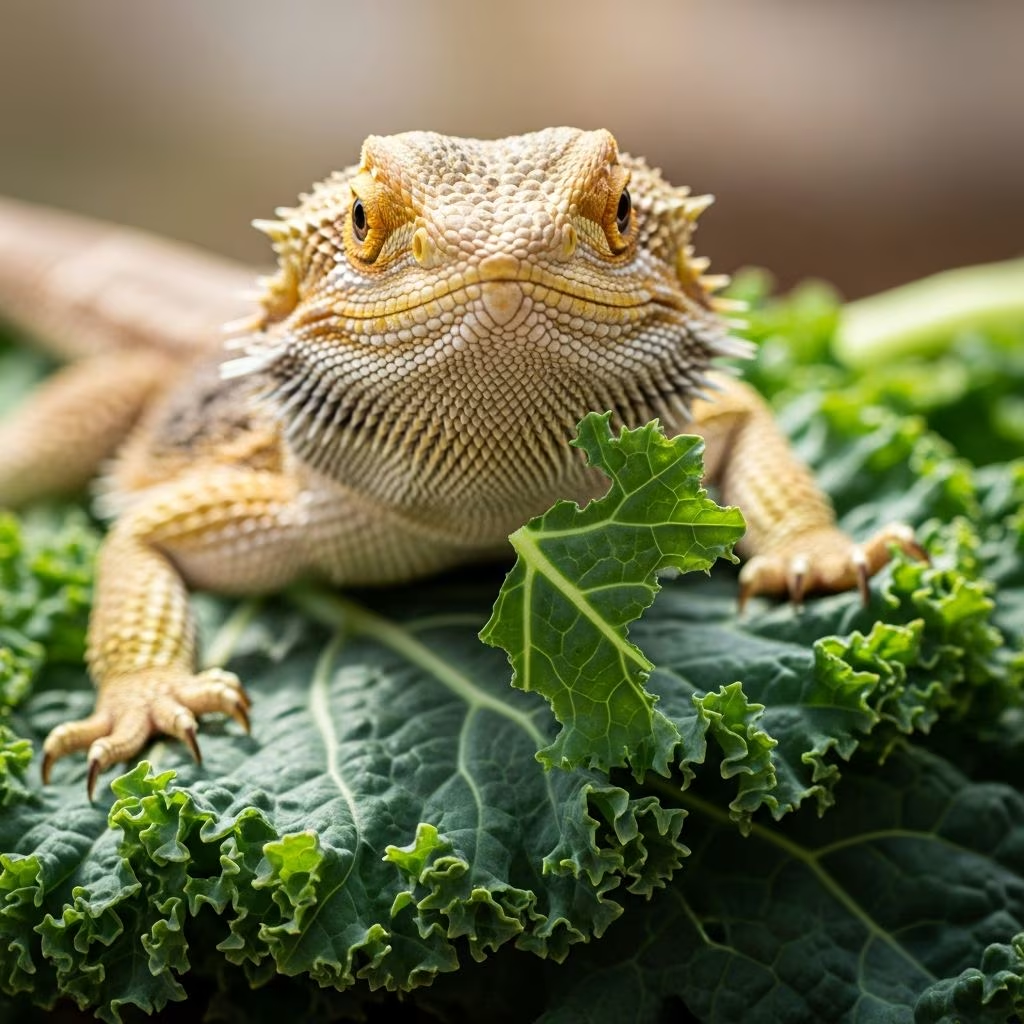
Can Bearded Dragons Eat Kale?
One of the most common questions among bearded dragon owners is whether their pets can safely consume kale. With conflicting information available online, it’s understandable that many dragon keepers feel uncertain about including this leafy green in their pet’s diet. The truth is that kale can be a nutritious addition to a bearded dragon’s meal plan when offered appropriately and in moderation. Understanding the facts about kale’s nutritional profile, oxalate content, and potential concerns will help you make informed decisions about your bearded dragon’s diet.
Understanding Oxalates and Bearded Dragon Health
One of the primary concerns dragon keepers have about feeding kale relates to its oxalate content. Oxalates are naturally occurring compounds found in many plants, and they can affect how bearded dragons absorb essential minerals. To understand whether kale is truly problematic, it’s important to examine the actual oxalate levels present in this green vegetable.
According to USDA data, 100 grams of kale contains approximately 20 milligrams of oxalates. This amount is relatively modest compared to other commonly discussed vegetables. To put this in perspective, the same 100-gram serving of spinach contains approximately 970 milligrams of oxalic acid—nearly 48 times more than kale. Since spinach is generally recommended only as an occasional treat or avoided altogether, kale’s oxalate profile appears significantly more favorable.
Oxalates function by binding to calcium in the body and preventing its absorption into the bloodstream. Over time, excessive oxalate consumption can deplete a bearded dragon’s existing calcium reserves, leading to a serious condition called metabolic bone disease (MBD). Dragons affected by MBD may display swollen or deformed limbs, lethargy, and difficulty moving. In severe cases, the condition can cause paralysis or even death. Therefore, while oxalates are a legitimate concern, the relatively low levels in kale make it a much safer option than many alternatives.
The Myth About Kale Being Unsafe
The widespread belief that kale is too high in oxalates for bearded dragons to consume is largely a myth. Multiple scientific studies have confirmed that kale is quite low in oxalates compared to other greens. In fact, kale is recommended by kidney health experts as a “safe” green for individuals prone to kidney stones, suggesting its oxalate content is minimal. When fed a few times per week or every other week, kale should be perfectly safe for most bearded dragons, even those that are somewhat oxalate-conscious.
Concerns About Goitrogens in Kale
Beyond oxalate content, some dragon keepers worry about goitrogens present in kale. Goitrogens are substances that can negatively impact thyroid function by interfering with iodine absorption. When consumed in excessive amounts, goitrogenic foods may cause the thyroid to become enlarged—a condition known as goiter—and begin malfunctioning in its production of hormones.
However, the levels of goitrogens naturally present in kale are not substantial enough to pose a significant health risk to bearded dragons. A small amount of kale in your dragon’s diet will not be harmful. As with many foods, moderation is the key to safely incorporating kale without triggering thyroid concerns. Offering kale as part of a varied diet ensures your bearded dragon receives diverse nutrients while minimizing any potential goitrogen exposure.
Vitamin A Toxicity Concerns
Kale is an exceptionally rich source of Vitamin A, which is generally beneficial for bearded dragons. However, dragon owners need to be aware of one important caveat: if your bearded dragon is currently taking Vitamin A supplements, you may want to limit or avoid kale to prevent Vitamin A toxicity. Excessive Vitamin A intake, known as hypervitaminosis A, can cause swelling, lethargy, weight loss, and dehydration in reptiles.
The good news is that bearded dragons not receiving Vitamin A supplements typically do not develop hypervitaminosis A from dietary sources alone. Understanding your dragon’s current supplementation regimen is essential before deciding how frequently to offer kale. If your dragon receives regular Vitamin A supplements through a multivitamin powder applied to food, moderating kale consumption becomes more important.
Nutritional Benefits of Kale for Bearded Dragons
Despite the concerns many owners have, kale offers numerous nutritional advantages that make it a valuable addition to a balanced bearded dragon diet. This leafy green provides an impressive array of vitamins and minerals essential for optimal health and development.
Key Nutritional Components
Kale delivers several critical nutrients that support bearded dragon wellbeing:
- Vitamin A and Vitamin C: These vitamins are crucial for maintaining a healthy immune system, supporting vision, facilitating reproduction, and promoting growth
- Vitamin K: This vitamin regulates blood clotting and supports overall cardiovascular health
- Potassium: Aids muscle function, helps prevent kidney problems, and reduces water retention in the body
- Manganese: Supports metabolism and helps prevent inflammation throughout the body
- Magnesium: Promotes brain and muscle health, contributing to overall nervous system function
- Calcium: Vital for bone development, skeletal integrity, and overall health maintenance
Superior Calcium-to-Phosphorus Ratio
One of the most significant advantages of kale is its exceptional calcium-to-phosphorus ratio. Kale contains calcium and phosphorus at a ratio of 2.4:1, which exceeds the recommended range of 1:1 to 2:1 for bearded dragons. This favorable ratio means that bearded dragons can actually absorb the calcium present in kale effectively, rather than having it blocked by excessive phosphorus or oxalates.
This ratio is critically important because if a food contains more phosphorus than calcium, excessive consumption can increase the risk of metabolic bone disease. Many vegetables commonly fed to bearded dragons are high in phosphorus and low in calcium, making them problematic for long-term feeding. Kale’s superior ratio makes it one of the better vegetable choices for supporting bone health and preventing mineral deficiencies.
Low Sugar Content
Like most vegetables, kale is very low in sugar, making it an excellent choice for dragons watching their weight. Excessive sugar consumption in bearded dragons can lead to obesity, tooth decay, fatty liver disease, and heart problems. Kale allows owners to provide substantial vegetable matter without worrying about hidden sugars that could compromise their dragon’s health.
Recommended Feeding Frequency
Given the nutritional benefits and relatively low oxalate content, kale can be safely incorporated into your bearded dragon’s diet on a regular basis. Most experts recommend offering kale a few times per week as part of a balanced salad mix. For owners particularly concerned about oxalate accumulation, offering kale every other week is also perfectly acceptable and will still provide significant nutritional benefits.
The key is to rotate kale with other safe greens to ensure dietary variety and prevent over-reliance on any single vegetable. Offering a diverse array of vegetables provides different micronutrient profiles and reduces the likelihood of any single compound accumulating to problematic levels.
How to Prepare Kale for Your Bearded Dragon
Preparation is simple and straightforward. Kale should be served raw, as cooking depletes its nutritional value and vitamin content. To prepare kale for your bearded dragon, follow these basic steps:
Preparation Steps
Begin by selecting fresh, organic kale when possible to minimize pesticide exposure. Thoroughly rinse the kale under clean running water to remove any dirt or residue. Next, remove the tough central stem and chop the leafy portions into small, bite-sized pieces appropriate for your dragon’s size. For younger or smaller dragons, cut pieces even smaller to prevent choking hazards. Finally, offer the prepared kale as part of a mixed green salad alongside other safe vegetables.
Bearded Dragon Nutritional Requirements
Understanding your bearded dragon’s overall nutritional needs helps contextualize where vegetables like kale fit into their diet. Bearded dragons are omnivorous reptiles, meaning they consume both live invertebrates and plant-based foods. A properly balanced diet should include calcium supplementation to support skeletal health and prevent metabolic bone disease.
Most expert recommendations suggest dusting insects and salads with calcium powder for all life stages of bearded dragons. Multivitamin powder should be applied to salads approximately twice weekly for juveniles and once weekly for subadults and adults. This supplementation strategy, combined with appropriate vegetable selections like kale, helps ensure comprehensive nutrition.
Other Safe Green Options
While kale is a nutritious option, variety remains essential for comprehensive nutrition. Safe greens that can be fed daily or frequently include collard greens, mustard greens, dandelion greens, and turnip greens. Additional options include escarole, endive, watercress, and arugula. These alternatives provide different nutrient profiles and help prevent dietary monotony while supporting overall health.
Greens to Avoid
Just as important as knowing which greens are safe is understanding which vegetables should be avoided or severely limited. Spinach contains high levels of oxalates that significantly interfere with calcium absorption and should be offered rarely or not at all. Swiss chard also contains problematic oxalate levels and should be limited. Beet greens contain high oxalates and should be avoided. Rhubarb leaves contain oxalic acid toxic to bearded dragons and should never be offered.
Health Consequences of Improper Nutrition
Failing to provide appropriate greens and balanced nutrition can have serious consequences for your bearded dragon’s health and wellbeing. Improper nutrition may result in calcium deficiency leading to weak bones, fractures, and deformities. Vitamin and mineral deficiencies can affect overall health, growth, and organ function. Digestive problems like constipation, impaction, and diarrhea may develop. Malnutrition can cause weight loss, muscle wasting, weakness, and poor vitality. A weakened immune system increases susceptibility to infections and illnesses. In juvenile dragons, poor nutrition leads to stunted growth and development with long-term health consequences.
Frequently Asked Questions
Q: Is kale really safe for bearded dragons?
A: Yes, kale is safe for bearded dragons when offered in moderation. Despite myths about high oxalate content, kale actually contains relatively low levels of oxalates—approximately 20mg per 100 grams—making it much safer than spinach or other high-oxalate greens.
Q: How often should I feed kale to my bearded dragon?
A: Kale can be safely offered a few times per week as part of a balanced salad mix. If you’re particularly concerned about oxalate accumulation, offering kale every other week is also appropriate while still providing nutritional benefits.
Q: Does kale need to be cooked before feeding it to my bearded dragon?
A: No, kale should always be served raw. Cooking significantly depletes kale’s nutritional value and vitamin content, reducing the health benefits for your dragon.
Q: Should I avoid kale if my bearded dragon takes Vitamin A supplements?
A: If your bearded dragon receives regular Vitamin A supplements, you should limit or avoid kale due to its high Vitamin A content, which could lead to Vitamin A toxicity. Consult with your reptile veterinarian about your dragon’s specific supplementation needs.
Q: What is metabolic bone disease and how can I prevent it?
A: Metabolic bone disease (MBD) is a painful condition caused by calcium deficiency or improper calcium-to-phosphorus ratios. Prevention involves offering calcium-rich vegetables like kale with proper calcium-to-phosphorus ratios, regular calcium supplementation on insects and salads, and appropriate lighting and heating.
Q: Can I feed kale to juvenile bearded dragons?
A: Yes, juvenile bearded dragons can eat kale. Ensure pieces are chopped into appropriately small sizes for their smaller mouths, and maintain proper calcium supplementation for growing dragons.
References
- USDA FoodData Central — United States Department of Agriculture. 2024. https://fdc.nal.usda.gov/
- Reptilian Kingdom: Greens for Bearded Dragons — Reptilian Kingdom. 2024. https://reptiliankingdom.com/blogs/news/greens-you-should-shouldnt-feed-your-bearded-dragons
- ReptiFiles: What Do Bearded Dragons Eat? — ReptiFiles. 2024. https://reptifiles.com/bearded-dragon-care/bearded-dragon-food/
- 10 Vet-Approved Greens for Bearded Dragons — Hepper. 2024. https://articles.hepper.com/greens-for-bearded-dragons/
- How To Care For Your Bearded Dragon — RSPCA. 2024. https://www.rspca.org.uk/adviceandwelfare/pets/other/beardeddragon



