

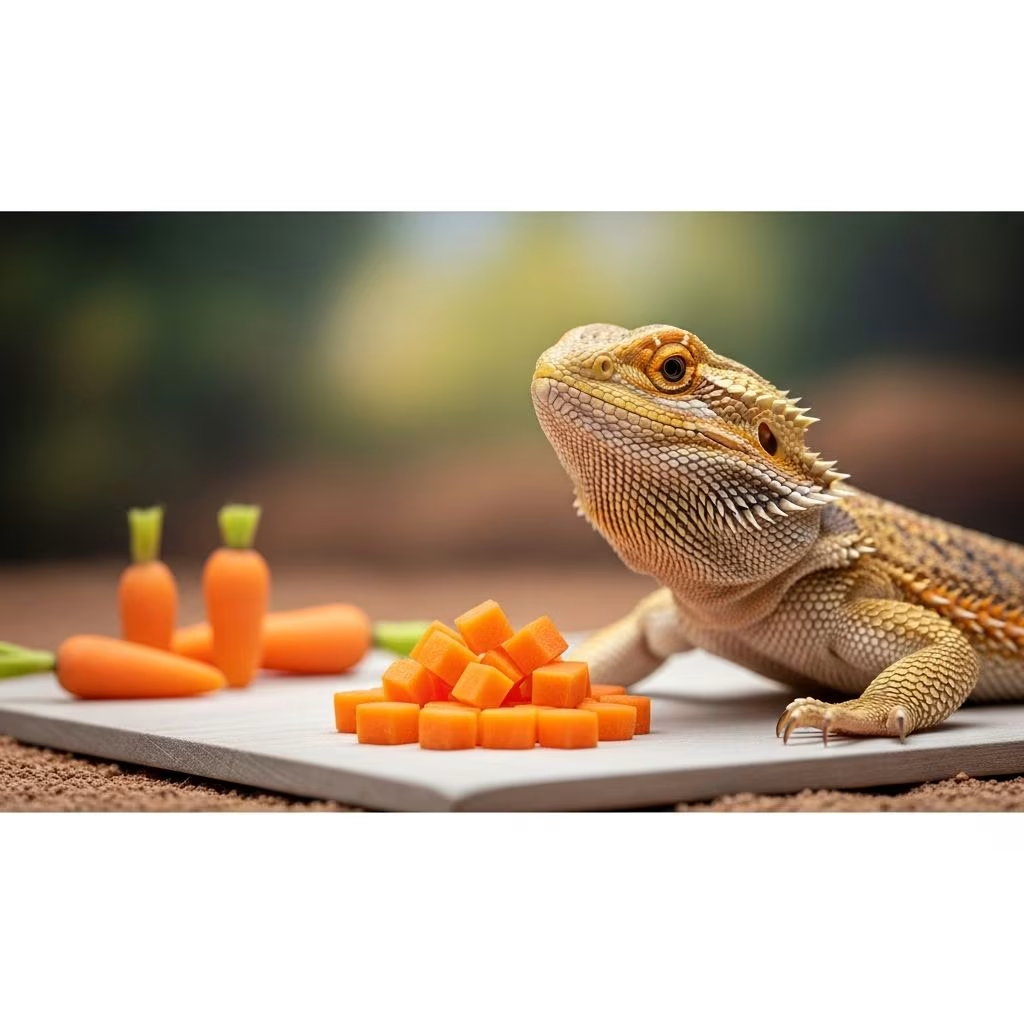
Can Bearded Dragons Have Carrots?
Many bearded dragon owners wonder if carrots are a suitable addition to their pet’s diet. The answer is yes, but with important caveats. Carrots are safe for bearded dragons in small amounts, provided they are prepared correctly and fed appropriately. Raw carrots are the preferred option, and they should always be shredded rather than served in large chunks to prevent choking hazards and ensure easier digestion.
While carrots can be a nutritious treat, they should never replace the staple foods in your bearded dragon’s diet. Instead, think of carrots as an occasional garnish or topper to complement their primary diet of leafy greens and other appropriate foods. Understanding the proper way to incorporate carrots into your beardie’s meals is essential for maintaining their health and preventing nutritional imbalances.
Nutritional Benefits of Carrots for Bearded Dragons
Carrots offer several nutritional advantages for bearded dragons when fed in moderation. A 100-gram serving of raw carrots contains only 41 calories, with 88.3% being water, making them a low-calorie option. Although carrots lack significant protein and fat content, they provide essential nutrients that support your pet’s overall health.
Beta-Carotene and Vitamin A
One of the primary nutritional benefits of carrots is their beta-carotene content. Your bearded dragon’s body converts beta-carotene into vitamin A as needed, providing an excellent source of this essential nutrient without the risk of vitamin A toxicity that can occur with synthetic supplements. Vitamin A supports healthy vision, strengthens immune function, and promotes skin health. Additionally, carrots provide vitamin C, which works synergistically with vitamin A to maintain your beardie’s overall wellness.
Fiber Content
The fiber present in carrots can aid in digestion and promote gastrointestinal health. However, bearded dragons should obtain most of their fiber needs from leafy greens rather than carrots. Fiber helps maintain proper digestive function and can prevent common digestive issues in reptiles.
Hydration Support
Like many vegetables, carrots contain water that contributes to your bearded dragon’s overall hydration. While this is a minor benefit compared to other vegetables with higher water content, it still plays a role in supporting your pet’s fluid intake, particularly during warmer months.
Important Nutritional Considerations
While carrots offer several benefits, there are important nutritional factors to consider before making them a regular part of your bearded dragon’s diet.
Calcium and Phosphorus Balance
Carrots contain similar amounts of calcium to phosphorus. While this ratio is safer than foods with significantly more phosphorus, carrots simply do not contain enough calcium to make them a staple vegetable choice for your beardie. This is a crucial consideration because bearded dragons are susceptible to metabolic bone disease (MBD) if they don’t receive adequate amounts of calcium, UV light, and vitamin D.
Oxalic Acid Concerns
One important caveat with carrots involves their oxalic acid content. A 100-gram serving of carrots contains 0.5 grams of oxalic acid, which may not sound significant in isolation, but becomes relevant when considered within your reptile’s overall diet and feeding frequency. Oxalic acid can bind with calcium to form calcium oxalate, potentially lowering the amount of available calcium that your bearded dragon can absorb and utilize for its physiological needs. This brings the risk of metabolic bone disease back into consideration, making it essential to balance carrot consumption with calcium-rich foods and proper supplementation.
Vitamin A Toxicity
Although vitamin A is essential for bearded dragons, excessive consumption can lead to toxicity. While fresh carrots are generally safer than synthetic vitamin A supplements because your beardie’s body converts beta-carotene as needed, overfeeding carrots can still contribute to vitamin A accumulation. This is why portion control and feeding frequency are absolutely critical when offering carrots to your pet.
How Many Carrots Can I Give My Beardie?
When it comes to carrot portion size and frequency, less is definitely more. Expert veterinarians recommend specific guidelines to ensure your bearded dragon receives the nutritional benefits of carrots without the associated risks.
Recommended Portion Sizes
For adult bearded dragons, veterinary experts recommend offering approximately 1 teaspoon to an adult bearded dragon once to twice a week, as long as they are also eating their leafy greens. If you choose to offer a larger portion, limit it to just once or twice per month. The key to success is using carrots as a garnish rather than the main course. Think of them as a topping to a more appropriate green salad, enhancing the meal rather than serving as its foundation.
Preparation Guidelines
Proper preparation is essential to maximize safety and nutritional value:
- Wash the carrot thoroughly to remove pesticides and dirt before preparation
- Grate or shred the carrot into small pieces using a cheese grater
- Top your bearded dragon’s leafy greens with the carrots rather than offering them alone
- Keep portions to about 1 teaspoon once or twice per week
- Remove any uneaten carrots after a few hours to prevent spoilage and bacterial growth
- Place food in a shallow bowl that your beardie can easily access
Carrots vs. Other Vegetables
While carrots can be part of a balanced diet, several other vegetables should form the foundation of your bearded dragon’s vegetable intake. Understanding which vegetables are most beneficial helps you make informed decisions about your pet’s nutrition.
Best Vegetables for Bearded Dragons
Go green for your beardie’s health. The following vegetables should make up the majority of your bearded dragon’s vegetable intake:
- Arugula
- Bok choy
- Kale
- Dandelion greens
- Mustard greens
- Bell pepper
- Cilantro
- Cucumber (peeled)
- Clover
- Parsley
- Squash (raw)
- Yam (grated raw)
Vegetables to Limit or Avoid
Dr. Driggers recommends skipping starches like corn, potatoes, and other tubers in excess, as these foods are high in sugar and low in nutritional value for your beardie. Additionally, avoid store-bought baby carrots, as they may contain preservatives that are unsafe for your pet.
Raw vs. Cooked Carrots
The preparation method significantly impacts the nutritional value of carrots. Raw carrots are strongly preferred over cooked alternatives because cooking can considerably reduce their nutritional value. Raw carrots retain their fiber content and make it easier to monitor sugar content and calcium balance. When offering carrots, always serve them raw and properly shredded or grated to prevent choking hazards.
Bearded Dragon Diet Overview
To properly contextualize where carrots fit in your bearded dragon’s diet, it’s important to understand the overall dietary requirements based on age.
Adult Bearded Dragons
Adult bearded dragons should have a diet consisting of approximately 50% dark leafy greens, 20% grated or chopped vegetables, and 25% to 30% animal matter such as insects. This balanced approach ensures they receive the necessary nutrients for optimal health and longevity.
Baby and Juvenile Bearded Dragons
Young bearded dragons have different dietary requirements than adults. Baby bearded dragons should follow the “80% insects and 20% greens until they’re a year old” rule, then gradually shift to a mostly vegetable-based diet as they mature. This is because young bearded dragons are largely more carnivorous, consuming significantly more insects when they’re young and actively growing.
Can Baby Bearded Dragons Eat Carrots?
Yes, baby bearded dragons can eat small amounts of grated carrot occasionally, but their diet should focus primarily on insects for proper growth and development. The carbohydrate and vegetable content should be minimal during the early growth stages. When introducing carrots to young beardies, use extremely small portions and ensure they’re grated finely to prevent any choking risks.
What to Do If Your Beardie Overindulges
If your bearded dragon accidentally consumes excessive amounts of carrots, don’t panic. It’s usually not cause for immediate alarm, but you should keep a close eye on your pet for any stomach upset or unusual symptoms. Monitor your beardie’s behavior, appetite, and waste for the next several days. If you notice any concerning symptoms such as lethargy, loss of appetite, digestive upset, or other abnormalities, contact your veterinarian right away for professional guidance.
Frequently Asked Questions
Q: Can bearded dragons eat carrot tops?
A: Yes, beardies can eat carrot tops as an occasional treat. Wash them well and chop them into small pieces to make them easier and safer for your beardie to consume. However, carrot tops should be fed rarely due to their high oxalate content, which can interfere with calcium absorption and increase the risk of metabolic bone disease.
Q: Can bearded dragons eat carrots every day?
A: No, carrots are not ideal for beardies as a daily food. Frequent feeding can lead to obesity and nutritional imbalances. Stick to the recommended guideline of once to twice per week in small portions.
Q: Can bearded dragons eat carrots raw?
A: Yes, raw carrots are preferred over cooked ones, as cooking can reduce their nutritional value. Always shred the carrots to prevent choking hazards and make them easier for your beardie to digest.
Q: Can bearded dragons eat kale and carrots together in a salad?
A: Yes, kale and carrots can both be included in a salad for your bearded dragon. Just make sure you don’t use excessive amounts of either, especially kale, since it can block calcium absorption.
Q: What happens if I give my bearded dragon excessive amounts of carrots?
A: Feeding excessive amounts of carrots can cause too much vitamin A, which affects your bearded dragon’s nutrition and may lead to health problems. Additionally, excessive carrot consumption can contribute to obesity and nutritional imbalances.
Q: Should I dust carrots with calcium powder?
A: Yes, using calcium powder is recommended to help prevent metabolic bone disease, especially given carrots’ lower calcium content relative to phosphorus.
Q: What vegetables should make up the majority of my beardie’s diet?
A: Leafy greens like arugula, bok choy, kale, dandelion greens, and mustard greens should make up the majority of your beardie’s vegetable intake, with carrots and other vegetables serving only as occasional supplements.
References
- Can Bearded Dragons Eat Carrots? — Chewy Education. 2025. https://www.chewy.com/education/reptile-and-amphibian/bearded-dragon/can-bearded-dragons-eat-carrots
- Can Bearded Dragons Eat Carrots? Vet-Reviewed Nutritional Facts — Hepper. 2025. https://articles.hepper.com/can-bearded-dragons-eat-carrots/
- Can Bearded Dragons Eat Carrots? Reptile Nutrition Profile — The Bearded Dragon Organization. 2025. https://www.thebeardeddragon.org/bearded-dragon/diet/fruits-and-vegetables/carrots
- Can Bearded Dragons Eat Carrots? Safe Feeding Guide for Owners — Fully Healthy. 2025. https://fullyhealthy.com/blogs/news/can-bearded-dragons-eat-carrots
- 10 Bearded Dragon Veg Options to Keep Your Pet Healthy and Happy — Reptile Centre. 2025. https://www.reptilecentre.com/blogs/reptile-blog/greens-for-bearded-dragons
- How To Feed Your Bearded Dragon — NC State Veterinary Hospital, College of Veterinary Medicine. 2025. https://hospital.cvm.ncsu.edu/services/small-animals/nutrition/how-to-feed-your-bearded-dragon/
- Bearded Dragons: Feeding — VCA Animal Hospitals. 2025. https://vcahospitals.com/know-your-pet/bearded-dragons-feeding



