

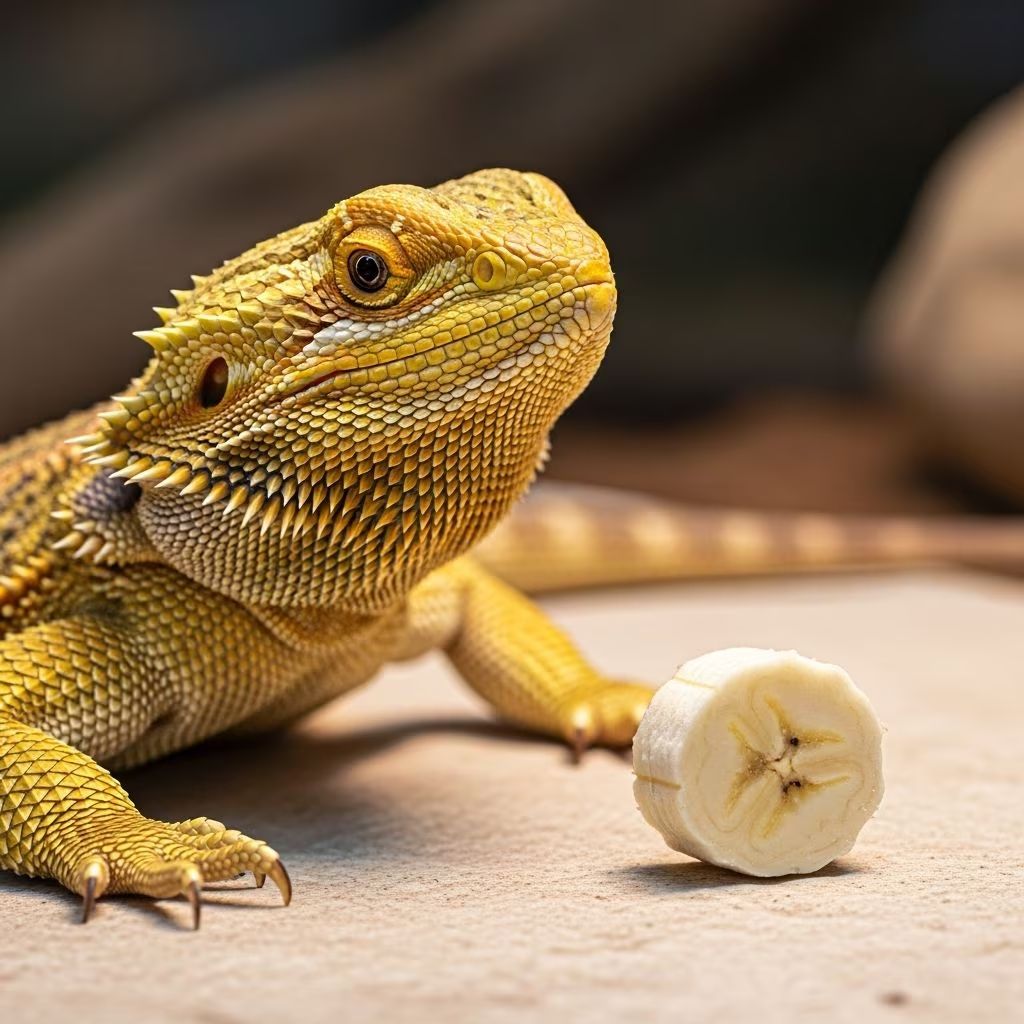
Can Bearded Dragons Eat Bananas?
Bearded dragons can eat bananas, but only in very limited quantities and as an occasional treat. While bananas do offer some nutritional benefits, they come with significant dietary concerns that make them unsuitable for regular consumption. The short answer is that bananas should be offered no more than once or twice a month, in small portions. Understanding the nutritional profile and potential health risks associated with bananas is essential for any bearded dragon owner who wants to maintain their pet’s optimal health and longevity.
Nutritional Content of Bananas for Bearded Dragons
Bananas contain several nutrients that can benefit bearded dragons when offered in appropriate quantities. These fruits are rich in essential vitamins and minerals that support various bodily functions. However, the presence of these beneficial nutrients does not outweigh their dietary drawbacks when fed too frequently.
Bananas contain the following nutritional components per 100-gram serving:
- Vitamin A: Supports immune function, vision, reproduction, and growth
- Vitamin C: Boosts the immune system and acts as an antioxidant
- Vitamin B6: Important for metabolic processes
- Potassium: Aids muscle function, prevents kidney problems, and reduces water retention
- Magnesium: Supports heart and muscle function
- Calcium: Strengthens bones and tissue
- Iron: Essential for blood health and oxygen transport
- Antioxidants: Lower cholesterol and decrease the risk of heart problems
While these nutrients might seem beneficial, the concentration of certain components in bananas creates significant health concerns for bearded dragons.
Why Bananas Are Problematic for Bearded Dragons
Despite their nutritional content, bananas present two major health concerns for bearded dragons: their dangerously skewed calcium-to-phosphorus ratio and their exceptionally high sugar content. Both of these factors can lead to serious health complications when bananas are fed too frequently.
Dangerous Calcium-to-Phosphorus Ratio
The most significant concern with bananas is their calcium-to-phosphorus ratio. Bananas contain approximately three to five times more phosphorus than calcium, creating a ratio of approximately 3:1 or even worse. This is problematic because bearded dragons require more calcium than phosphorus in their diet to maintain proper bone health and overall wellness.
Phosphorus actively blocks calcium absorption in the digestive system. When a bearded dragon consumes foods high in phosphorus relative to calcium, the phosphorus binds with available calcium and prevents it from being absorbed into the bloodstream. Over time, this can lead to severe calcium depletion, even if the dragon is consuming adequate amounts of calcium from other food sources.
For bearded dragons to safely consume bananas, the calcium-to-phosphorus ratio should ideally fall between 1.1:1 and 2.1:1. With bananas falling so far outside this range, a 100-gram serving of banana would require an additional 17 milligrams of calcium from other foods before it could be considered nutritionally safe for your dragon.
High Sugar Content
Bananas are one of the sweetest fruits available, containing approximately 12 to 16 grams of sugar per 100 grams of fruit. This high sugar content poses multiple health risks to bearded dragons, including tooth decay, obesity, and dietary pickiness. When bearded dragons consume excessive sugar, they may begin to reject more nutritious foods in favor of sweet treats, leading to nutritional imbalances and weight gain.
Obesity in bearded dragons can lead to reduced mobility, joint problems, and shortened lifespan. Additionally, the high sugar content can contribute to mouth decay and dental problems, which can affect the dragon’s ability to eat properly.
Health Risks Associated with Excessive Banana Consumption
When bearded dragons consume bananas too frequently, they face the risk of developing serious health conditions. The most concerning of these is metabolic bone disease (MBD).
Metabolic Bone Disease (MBD)
Metabolic bone disease occurs when bearded dragons develop calcium deficiency due to improper diet or inadequate calcium-phosphorus ratios. This debilitating and potentially fatal condition causes progressive weakening of the skeletal system. Symptoms of MBD include soft or deformed bones, tremors, paralysis, and severe pain. In advanced cases, MBD can be fatal.
Because bananas actively block calcium absorption while providing excessive phosphorus, regular banana consumption significantly increases the risk of developing MBD. When a dragon repeatedly consumes phosphorus-rich, calcium-low foods like bananas, the body gradually loses its ability to maintain proper bone density and strength.
Other Health Concerns
Beyond MBD, excessive banana consumption can lead to obesity, dental decay, nutritional imbalances, and a general preference for sweet foods over more nutritious options. These secondary health issues can compound to create serious long-term problems for your pet’s health and quality of life.
How Often Can Bearded Dragons Eat Bananas?
The consensus among reptile nutrition experts is that bearded dragons should consume bananas no more than once or twice per month. Some sources recommend limiting banana consumption to once per month to be extra cautious. When bananas are offered, they should constitute only a small portion of the dragon’s overall diet for that day.
Bananas should never be a staple food and should be considered a special treat rather than a regular dietary component. The frequency may vary slightly depending on your individual dragon’s overall diet, calcium intake from other sources, and specific nutritional needs, but the general guideline remains clear: minimize banana consumption.
Proper Preparation and Serving Methods
When you do decide to offer your bearded dragon a banana, proper preparation is essential to ensure safety and maximize nutritional value.
Selecting and Preparing Bananas
- Always use fresh bananas, never frozen ones, as frozen bananas can be difficult for dragons to eat and may cause digestive issues
- Choose organic bananas or thoroughly wash conventional bananas before cutting to remove any pesticide residue from the peel
- Avoid bananas with brown spots or bruises, as these may indicate overripeness and higher sugar concentration
- Cut bananas into small, bite-sized pieces that are appropriate for your dragon’s mouth size
Serving Options
You have flexibility in how you serve bananas to your bearded dragon. Some owners prefer to remove the peel, while others leave it on since dragons enjoy eating the banana peel and it provides additional nutrition. If you choose to leave the peel on, ensure that it is cut into appropriately small pieces since the peel is tougher and may be harder for your dragon to chew.
Many bearded dragon owners find success mixing bananas with vegetables in a colorful salad. This approach serves multiple benefits: it makes the banana portion less concentrated, it encourages your dragon to consume more vegetables, and it makes it harder for picky eaters to select only the sweet banana pieces while ignoring more nutritious vegetables.
Portion Size Guidelines
When serving bananas, offer only a few small pieces or slices at a time. Depending on your dragon’s size, this might mean offering between one-quarter to one-half of a banana at most. Smaller dragons should receive proportionally smaller portions. Remember that even this small amount should only be offered once every one to two weeks, making it a truly occasional treat.
Alternative Fruits for Bearded Dragons
While bananas should be minimized, there are other fruit options that offer better nutritional profiles for bearded dragons. When selecting fruits for your dragon, prioritize those with better calcium-to-phosphorus ratios and lower sugar content.
| Fruit | Benefits | Frequency |
|---|---|---|
| Papaya | Good source of vitamins A and C; better calcium ratio than bananas | Occasional |
| Blueberries | Rich in antioxidants and vitamins; low phosphorus content | 1-2 times per week |
| Strawberries | Rich in antioxidants and vitamin C; better mineral balance | 1-2 times per week |
| Melon | High water content; good hydration; low sugar compared to bananas | Occasional |
| Figs | Better calcium-phosphorus ratio; rich in fiber | Occasional |
| Apples | Good source of vitamins A and C (remove seeds and skin) | Occasional |
Remember that fruits should only comprise a small portion of your bearded dragon’s diet. The bulk of their nutrition should come from leafy greens like collard greens, dandelion greens, and other vegetables, along with appropriate protein sources such as crickets and dubia roaches for younger dragons.
Maintaining a Balanced Bearded Dragon Diet
A healthy bearded dragon diet should consist of approximately 50% plant-based material and 50% animal-based insect material, though this ratio varies slightly depending on the dragon’s age. Within the plant-based portion of the diet, leafy greens should comprise the majority, with fruits serving as occasional supplements.
Core Dietary Components
- Leafy greens: Collard greens, mustard greens, turnip greens, dandelion greens (primary vegetables)
- Other vegetables: Butternut squash, bell peppers, zucchini, carrots
- Protein sources: Crickets, dubia roaches, mealworms, bearded dragon pellets
- Calcium supplementation: Calcium powder dust on food 3-4 times per week
- Fruits: Limited to occasional treats, making up no more than 10% of the diet
Foods to Avoid
Certain foods should be completely avoided in a bearded dragon’s diet. Rhubarb is toxic to bearded dragons and should never be offered. Citrus fruits should be limited due to their acidic nature. High-phosphorus fruits like tomatoes should be offered rarely and only in very small pieces.
Frequently Asked Questions
Q: Are bananas toxic to bearded dragons?
A: Bananas are not technically toxic, but their nutritional content makes them potentially dangerous when fed too frequently. The dangerous calcium-to-phosphorus ratio and high sugar content can lead to serious health problems including metabolic bone disease if consumed regularly.
Q: Can baby bearded dragons eat bananas?
A: Baby bearded dragons should not eat bananas at all. Young dragons have even greater calcium requirements for proper skeletal development, making the phosphorus content of bananas particularly problematic. Wait until your dragon is fully mature before offering any banana treats.
Q: What should I do if my bearded dragon has eaten too many bananas?
A: If your dragon has consumed excessive bananas, contact your veterinarian immediately. Watch for signs of metabolic bone disease such as soft limbs, tremors, or paralysis. Your vet may recommend increased calcium supplementation or other treatments depending on the situation.
Q: Can bearded dragons eat banana peels?
A: Yes, bearded dragons can eat banana peels and often enjoy them. The peel adds extra nutrition and fiber. However, ensure the peel is cut into small pieces and that the banana is organic or thoroughly washed to remove pesticide residue.
Q: How do I know if my bearded dragon has metabolic bone disease?
A: Signs of metabolic bone disease include soft or deformed bones, inability to move properly, tremors, paralysis, and loss of appetite. If you notice any of these symptoms, seek veterinary care immediately as MBD can be life-threatening.
Q: What fruits are safest for bearded dragons?
A: The safest fruits for bearded dragons include blueberries, strawberries, papaya, melon, and figs. These fruits have better nutritional profiles and should still be offered only occasionally as treats, not as regular dietary staples.
Q: Should I dust fruit with calcium powder?
A: While you can dust fruits with calcium powder, it is more important to dust your dragon’s vegetable and protein portions with calcium powder several times per week. Since bananas should be offered so infrequently, calcium supplementation specifically for banana feeding is less critical than overall dietary calcium maintenance.
References
- Bearded Dragon Diet 2025: What Do Bearded Dragons Eat — Reptizoo. 2025. https://reptizoo.store/blogs/reptizoo-reptiles-blogs/bearded-dragon-diet-2025-what-do-bearded-dragons-eat
- Can Bearded Dragons Eat Bananas? Vet-Reviewed Benefits and Risks — Hepper. https://articles.hepper.com/can-bearded-dragons-eat-bananas/
- Can Bearded Dragons Eat Bananas? Key Facts for Their Health — Fully Healthy. https://fullyhealthy.com/blogs/news/can-bearded-dragons-eat-bananas
- Can Bearded Dragons Eat Bananas? Everything You Need to Know — Dragons Diet. https://dragonsdiet.com/blogs/dragon-care/can-bearded-dragons-eat-bananas
- Can Bearded Dragons Eat Bananas? — The Bearded Dragon. https://www.thebeardeddragon.org/bearded-dragon/diet/fruits-and-vegetables/bananas
- Bearded Dragons: Feeding — VCA Animal Hospitals. https://vcahospitals.com/know-your-pet/bearded-dragons-feeding
- How To Feed Your Bearded Dragon — NC State Veterinary Hospital. https://hospital.cvm.ncsu.edu/services/small-animals/nutrition/how-to-feed-your-bearded-dragon/



